
Health
Is fear of injury keeping you on the couch?

Don’t let fear of pain stop you from moving. With the right approach, exercise can actually ease aches, boost confidence and keep you stronger for longer.
By Paula Goodyer
Fear of injury or pain is among the top reasons we avoid exercise – yet what should really scare us is the increased risk of health problems caused by physical inactivity.
“This fear of injury or pain is more common as people get older. Sometimes it’s because they’ve experienced pain or injury in the past or they have a condition like osteoarthritis, but not always. Some people are wary of the gym, for instance, because they think it’s too hard, or they’ve heard someone say they hurt their back at the gym,” says exercise physiologist Tim Douge, a spokesperson for Exercise and Sports Science Australia. “Yet the risk of injury at the gym is far less than the risk of injury playing sport. “
Whatever the reason, there’s always a way to do some kind of movement that benefits your health, he says, and if there’s an existing injury or condition that causes pain, an exercise physiologist* can prescribe the right exercise, and show you how to exercise safely.
The new thinking on exercise and pain
The message now is that it’s okay to exercise even if you have pain, and that, over time, regular exercise can often improve pain. Walking can improve back pain, for example.
“People don’t want to rely on painkillers – they prefer a way of managing pain that’s empowering, and that’s exercise,” says Tim, whose clients often have conditions like osteoarthritis, fibromyalgia, lower back pain, tendonitis or frozen shoulder – all of which can be helped by exercise.
“It’s true that with back pain, for example, physical activity can sometimes make the pain feel worse at first, but our bodies are adaptable and the right approach can improve it. Pain is complex. A lot depends on reducing someone’s fear of pain because fear itself makes your body tense and that can exacerbate pain. It’s about coming up with a personalised strategy to help someone move without pain – or cope better with pain when they move.”
Yes, you can learn to exercise with pain - safely
Tim recalls the client with knee osteoarthritis whose doctor advised only water-based exercise like swimming or aqua aerobics – yet she’s now a regular gym-goer who squats with a loaded barbell.
“We took it slowly and for about 20% of the time she worked in a zone of discomfort. When we introduced a challenging movement, she’d let me know when it felt okay and when it wasn’t – she knew she could stop if it was too painful. After two or three weeks the pain improved, and after three months she went from having severe pain with walking to feeling pain only sometimes with high intensity movements. After 12 months she booked a cycling tour around the Italian lakes.”
Read this too: Why mobility training needs to be a non-negotiable
Why exercise can prevent injury
If there’s one thing that helps us stay on our feet and prevent a cracked bone, it’s regular exercise – worth remembering, given that one in four of people over 65 has at least one fall each year. Yet fear of falling not only prevents some people from exercise, it can even put them off everyday activities like using stairs or walking on uneven ground, adds Tim.
But the right kind of exercise including strength training, walking and tai chi, helps improve balance by strengthening muscles. Strength training also helps maintain bone strength.
Busting a few of myths about movement and injury
Running is bad for knees
Recreational running is actually good for knees, according to research, says Tim. “You’d have to do a very high volume of running over time, such as long distance running, to cause problems.”
Decline in older age is inevitable
While some changes are natural, staying active – physically, mentally and socially – can slow or even reverse many effects of ageing. Regular movement, good nutrition, sleep and connection all help you stay stronger, sharper and more resilient well into later life.
You should take it easy as you get older
“Movement is important as we age - it helps keep joints supplied with nutrients, maintains muscle strength and helps your heart and lungs work more efficiently,” says Tim.
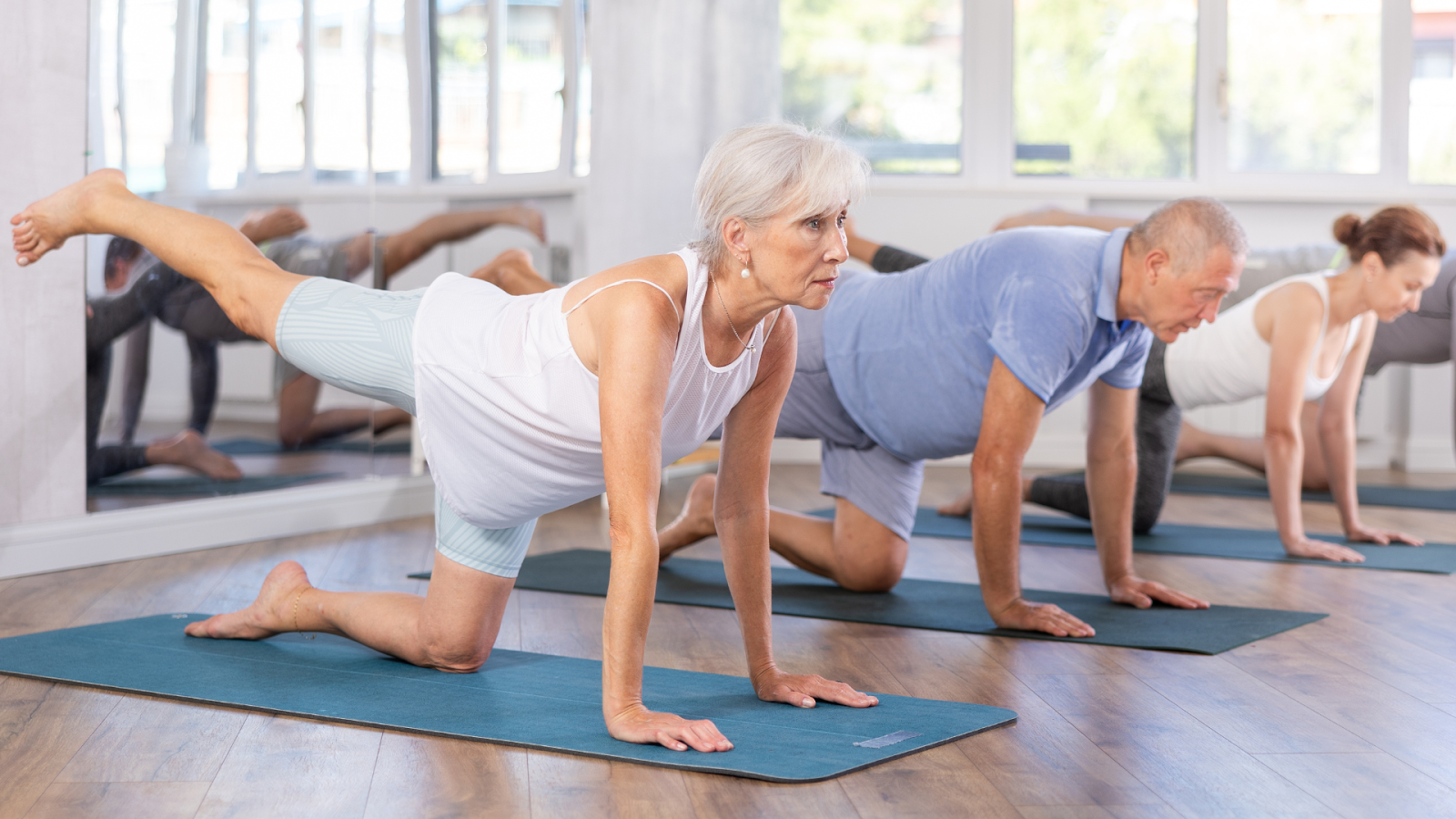
Not used to exercise? Here’s how to start
“Start from a place where you’re already comfortable – for example, if you have stairs at home, try walking up and down multiple times,” suggests Tim. “If gardening is a hobby, try to do one or two extra sessions a week, or walk for 10 minutes before you get in the car to go shopping. The aim is to gradually reach the recommended guidelines for physical activity.
Extra tips for getting started
- Start where you are. Ten minutes of movement is a great start. Remember, it’s consistency, not intensity, that makes the difference over time.
- Pick something you actually enjoy. Walking with a friend, gardening, dancing in the lounge room, or jumping aboard the Pickleball train… if it’s fun, you’ll keep doing it.
- Set gentle goals. Focus on feeling stronger or sleeping better, not on numbers or perfection.
- Pair it with routine. Link your movement to something you already do, like a stretch while the kettle boils, a walk after breakfast or a quick YouTube workout video after dinner.
- Don’t wait to be “fit enough.” Movement is what gets you fit enough, so start small but do start.
- Track your wins. Jot down what you do or how you feel; small victories are worth celebrating.
- Find your crew. Exercising with friends, a class or a walking group can boost motivation and make it social. Check with your local council for groups that might suit you.
- Be kind to yourself. Missed a day? No drama. Just start again tomorrow, it still counts.
Reduce the risk of injury when you exercise
“A warm up is critical for higher intensity activities like running, playing sport or lifting weights, but not essential if the intensity is similar to that of daily activities,” he explains. “As for a cool down, it may prevent muscle soreness the next day but there’s little evidence that it prevents injuries.
“The best injury prevention is staying active in a variety of ways and preparing the body for what might lie ahead.”
Extra tips for moving safely and confidently
- Listen to your body, not your fear. Some mild discomfort is okay, pain is not. Learn the difference and adjust your program accordingly.
- Build up slowly. Add time, distance or weight in small increments. Progress is progress, even if it’s tiny.
- Mix it up. Combine walking, stretching and strength work to keep things interesting and balanced.
- Prioritise strength. Strong muscles protect joints, improve balance and make everyday tasks easier. More on the benefits here.
- Stay consistent. A little movement most days beats a big workout once a week. Read more about the power of routine here.
- Ask for help. If you’re unsure where to start, book a session with an exercise physiologist to tailor a plan that’s just for you.
* Talk to your GP if you have a condition or injury that causes chronic pain - you may be eligible for sessions with an Accredited Exercise Physiologist with a Medicare rebate.
The information on this page is general information and should not be used to diagnose or treat a health problem or disease. Do not use the information found on this page as a substitute for professional health care advice. Any information you find on this page or on external sites which are linked to on this page should be verified with your professional health care provider.
Feature image: iStock/Nes
Tell us in the comments below: What’s your go-to way to stay active without overdoing it?

More on exercising with confidence: