
Money
5 questions to ask yourself before opening your BOMAD branch

All of us worry about our kids being squeezed by soaring rents and even steeper house prices. Becoming the Bank of Mum and Dad can feel like the obvious solution but there are 5 questions to ask before you open your own branch and help your kids buy a house.
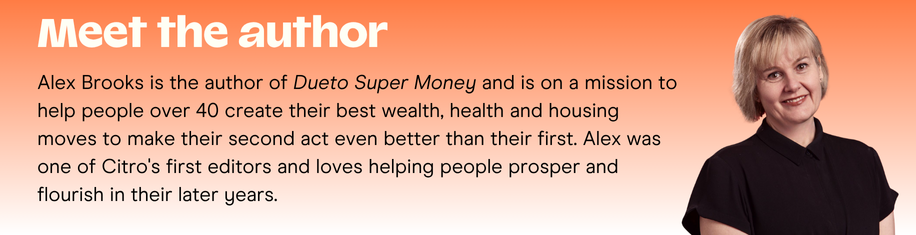
By Alex Brooks
There’s a deep unspoken anxiety about the housing crisis in Australia.
It’s turning everyday middle class parents into the Bank of Mum and Dad (BOMAD), which is now between the fifth and ninth biggest mortgage home lenders in Australia.
But did you know that helping your child buy a home – whether through a gift, loan or going guarantor – means navigating legal risks, retirement insecurity, emotional expectations and potentially even exposing yourself to elder abuse later in life?
Eep! It’s not straightforward, but if you ask yourself these 5 questions first, you can set up a secure vault to protect yourself (and your family’s wealth).
Are we helping or making housing more expensive?
It’s only natural to want our children to buy their own home, something that our generation believes represents stability, security and a future.
“Class anxiety and watching your child experience downward class mobility in real time creates a real impetus for parents to step in,” says Dr Julia Cook, a sociologist who has studied the rising trend behind the BOMAD to support children to maintain intergenerational wealth.
“This is all about parents needing to feel like they are ‘good parents’.”
Many parents feel pressured to offer financial help, even if it puts their own housing security or retirement at risk.
Most rely on trust and love to secure the legalities of the arrangements.
Dr Cook says few families seek independent advice or clarify whether money is a gift or a loan. In legal terms, that can make it almost impossible for an older person to recover money if they might need it later on (see step 3: why a formal or informal loan agreement can secure against this).
“We know that people do not want to think about financial planning for later in life – they avoid planning and usually make sub optimal decisions,” she says.
You may have paid off a mortgage or have decent equity in your own home to help your kids. But if you dip into savings, redraw from your current home loan, tap into your home equity or become a guarantor, are you still okay to retire comfortably?
The only way you can know for sure is to get personal financial advice (and see your lawyer to shore up the details).
More on this: Accelerate your legacy: how to release intergenerational wealth sooner
Will your child owe or own a house?
The financial realities of taking on a large mortgage as a young adult today are eye-watering.
Even if you gift your kids a substantial deposit (perhaps by tapping into your own home equity), can your child truly afford the mortgage repayments?
Noel Whittaker has always suggested home owners pay down their home mortgage within 10 years by repaying around $900 a month for every $100,000 borrowed. Can your adult kids comfortably afford that?
Most financial experts recommend choosing a home loan with an offset account, as it allows homebuyers to build a financial buffer. By paying extra into the mortgage, they can reduce interest while building up funds to draw on in case of unexpected setbacks like job loss or illness.
Are your kids as financially disciplined as you to follow the repayments needed to build equity in their new home to insulate themselves from interest rate or inflation shocks (or the huge child care bill that will arrive if they choose to start a family but still need two incomes to service the loan)?
Gift, loan or guarantee?
There are different ways to finance a helping hand into the housing market for your kids.
1. Gift: a straight up handout
PROS: It’s simple and quantifiable.
CONS: If your child has a partner, they may claim a share of the property if they split up, go bankrupt or your child passes away.
Gifting may also have potential impact on future Centrelink entitlements. Worse, if you die, the gift could upset your will's balance and upset siblings who didn’t receive the same gift.
2. Loan: a formal loan with a document stating whether it needs to be paid back
PROS: A loan can be recoverable in circumstances where gifts cannot. Paramount Financial Solutions director Wayne Leggett says a loan is “absolutely the way to go” if you want to open a BOMAD.
“Don’t give it, lend it. Then it can come back to you and it won’t form part of a property settlement,” he says.
CONS: Shoring up the legal risk by creating a loan document can be done informally on a piece of paper or more formally through a binding financial agreement with a lawyer – but it can carry subtle strings. For example, it can allow parents to expect a say in where their child buys property or how they live and plant a seed of conflict.
“We say people should always get advice from a lawyer about how they structure the loan - for example, is it an interest-free loan that can be recalled or do you expect the loan to be paid back if you need it in later life,” says certified financial planner Phillip Bures.

3. Guarantee: a warranty that you will put your own home or finances on the line if your kids don’t pay their loan
PROS: There’s no cash to outlay, it’s as simple as signing on the dotted line.
CONS: Humungous. No-one guaranteeing a loan ever thinks it will turn out with their home being sold or debt being incurred. But it happens.
In guarantor loans, the BOMAD (the guarantor) doesn't contribute cash upfront but instead can use home equity as additional security to effectively borrow up to 100% or more of the property's value.
“You get two situations with parents going guarantor,” says Phillip. “Clients are either blase and don’t understand the risks or they know we (their investment advisor) would think it’s a bad idea and they don’t tell us or tell us after the fact.”
Wayne is more startling in his advice: “Going guarantor can stuff you up. I’ve had people who’ve lost their own homes because of guaranteeing loans for their kids,” he says.
There are a range of different family guarantee home loan products available, so choose the one that’s right for you and limits your risk.
Read this too: Bank of Mum and Dad: a modern inheritance rethink
Other home-buying schemes might suit better
While it’s true that getting a leg up on the property ladder increasingly relies on parental financial support, there are other government schemes that your adult kids might be eligible for that won’t need you to open your own branch of BOMAD.
The new Help To Buy Scheme has 10,000 spots a year where the government takes a 30-40% share in your child’s home, provided your adult child can save their own 2% deposit and meets other eligibility criteria.
Your adult child has the advantage of the government holding a stake in their property, and simply pays that back over time or when they go to sell the property.
If your adult child can save their own 5% deposit (or 2% if they are a single parent), they might also qualify for the 5% Deposit Scheme, which no longer has income caps, waitlists or lender’s mortgage insurance costs.
Don’t compromise your own retirement or lifestyle
Dr Julia Cook’s big warning about BOMAD is this: it increases every older Australian’s risk of elder abuse.
Cook says ageist assumptions (like false stereotypes of “wealthy baby boomers”) normalise expectations that older Australians should use their savings or home equity to help younger generations.
She argues that this, in turn, increases older people’s vulnerability to exploitation as the generational wealth divide entrenches itself.
Political and economic pressures – especially sky‑high housing costs and the idea of property as an investment rather than simply a place to live – can quietly increase the risk of financial strain and exploitation for older people, who are likely to become more frail physically and financially as they age.
“People aren’t seriously considering the cost of later life,” she says. “Aged care and other end of life costs aren’t being thought about.”
BOMAD doesn’t just shift wealth, it shifts risk by pushing older Australians closer to financial danger at the very moment they should be protecting themselves.
And as housing costs soar and aged care looms, the real question isn’t how much parents can give to their kids, it’s how much they are happy to risk losing.
Feature image: iStock/DMP
Tell us in the comments: Do you think you’ll need to pitch in so your children can afford to buy?
More on leaving a legacy: