
Health
5 demonised foods that are actually good for you

Do you feel guilty about your coffee habit and try to limit the number of eggs you eat? You can breathe easy because these foods – and three others – are no longer on the naughty list.
By Sabrina Rogers-Anderson
Every decade or so, a new dietary demon emerges. We all jump on the bandwagon, convinced that if we can just avoid this one nutritional baddie, we’ll finally lose weight or live to meet our great-grandkids.
In our defence, these recommendations often come from peak medical bodies. Then, as more research is conducted and our understanding of nutrition evolves, these well-meaning institutions realise they had it wrong all along and change tack.
Here are 5 foods you may be relieved to hear probably aren’t silently killing you after all.
1. Enjoy your coffee in moderation
In the ‘60s, we were told coffee was bad for our hearts. Anyone who’s had one too many cups of java and felt their heart race would probably agree this makes intuitive sense.
But a 2023 research review found that moderate coffee consumption (between 1 and 5 cups a day depending on the study) may actually have a protective effect on the heart.
It was found to be associated with a decrease in high blood pressure, cholesterol, heart failure, atrial fibrillation (irregular heartbeat) and cardiovascular-related death.
More than 5 cups a day may be harmful for your heart, though, so don’t overdo it.
A 2024 study published in Nature Biology also found that moderate coffee consumption was associated with higher levels of the beneficial gut bacteria Lawsonibacter asaccharolyticus, leading the researchers to conclude that drinking coffee may improve gut health.
The preliminary results of a study of more than 47,000 women over 30 years even discovered that moderate coffee consumption during midlife was associated with healthier ageing later in life.
Women who drank coffee regularly were less likely to experience physical function limitations, memory complaints, mental health and cognitive impairments, and major chronic diseases than those who didn’t.
“Coffee is full of bioactive compounds, which are substances that aren’t essential for survival but can improve our health,” says food and nutrition scientist Dr Emma Beckett. “It has antioxidant and anti-inflammatory effects that explain the heart health and gut microbiome improvements.
“While four cups a day is generally the cut-off for moderate consumption, sensitivity to caffeine is hugely variable. I wouldn’t suggest increasing your coffee consumption just to get the health benefits stated here, but if you’re already a big coffee drinker, you can use this information to stop worrying about your habits. Or you can drink decaffeinated coffee, which has the same bioactives as regular coffee.”
2. Eat your eggs
The ‘70s brought a widespread fear of the humble egg after the American Heart Association warned that we shouldn't eat more than 3 egg yolks per week to avoid raising our cholesterol levels and our risk of heart disease.
“We used to have this simple idea of ‘eat cholesterol, raise cholesterol’,” says Dr Beckett. “Because eggs are high in cholesterol, they were thought to raise cholesterol levels. But as our understanding of cholesterol metabolism has evolved, it's become clear that most of the cholesterol that’s in our blood is created in our livers.
“Our diet is a minor contributor to our cholesterol levels, and it's actually our saturated fat intake and our genetics that determine how much cholesterol our liver produces. Reducing saturated fat consumption is much more important for decreasing blood cholesterol levels than reducing cholesterol consumption is.”
The Heart Foundation (Australia) no longer sets a limit on the number of eggs healthy Australians can eat, but recommends that people with type 2 diabetes, high cholesterol and heart disease eat no more than 7 eggs per week to err on the safe side.
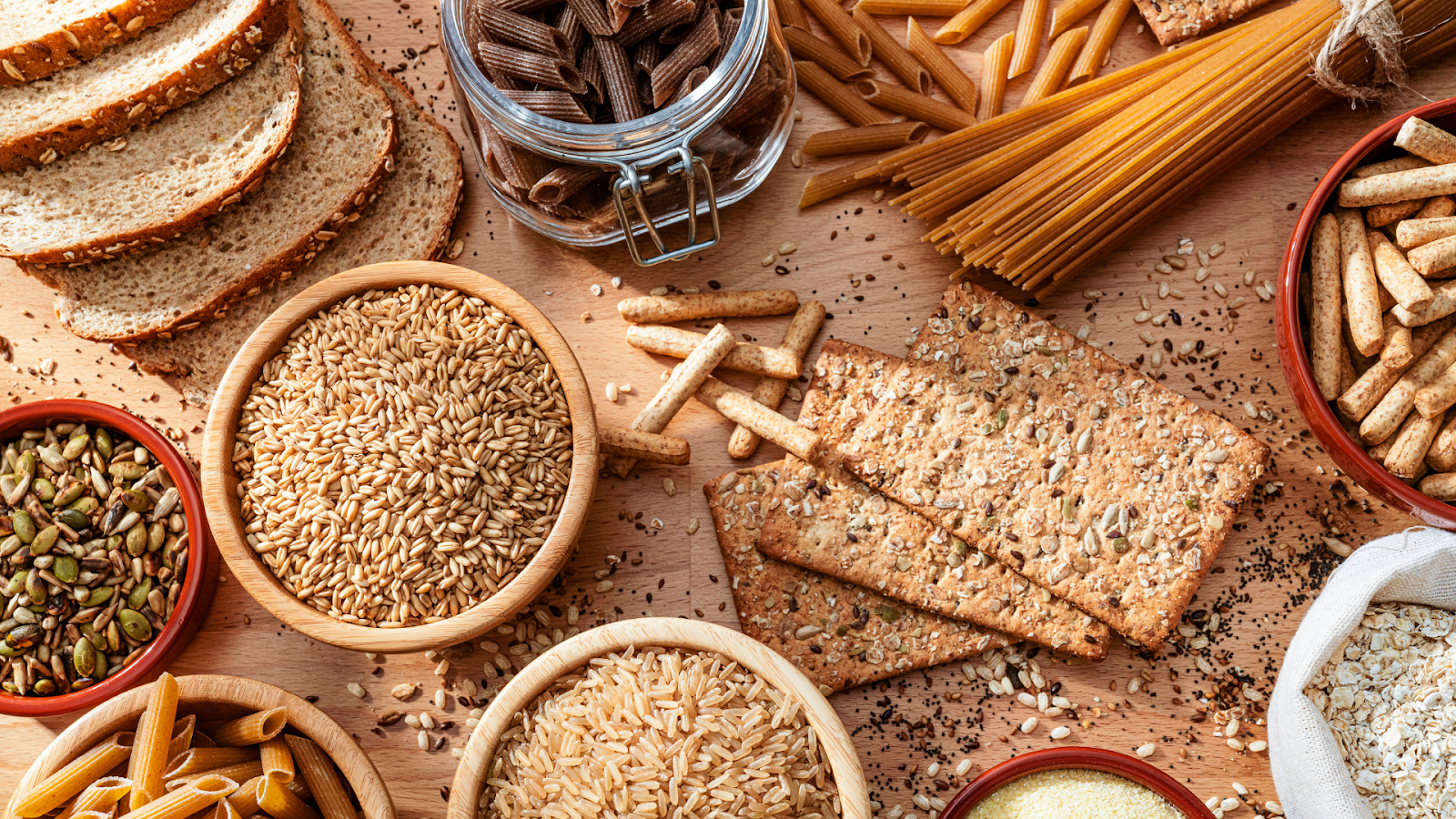
3. Carbs aren’t scary
Not to be outdone by previous decades, the 2000s birthed a new dietary demon: carbs. And for many of us, the fear of carbohydrates persists to this day.
“Firstly, carbs aren’t a food group, they’re a macronutrient,” says Dr Beckett. “Few foods are straight-up carbs and, like with fats, carb quality is more important than quantity. When you look at the Australian Guide to Healthy Eating, it recommends grain foods and mostly whole grains.”
Whole grains including wholemeal bread, brown rice and oats are complex carbs that take longer to digest and provide sustained energy, whereas simple carbs like white bread, sugary drinks and lollies make your blood sugar spike, providing a burst of energy followed by a crash.
“Carbohydrates are the body’s most accessible form of energy, whereas burning energy from fats and proteins is more biologically complex,” Dr Beckett explains. “Diet culture will try to tell you that because it's more complex, you'll lose weight, but it's definitely not that simple.
“Avoiding carbs might just mean you'll feel more miserable. They should make up 45 to 65% of your daily energy intake.”
4. Fat can be good for you
The idea that a low-fat diet could prevent heart disease and promote weight loss first started gaining traction in the 1960s.
By the ‘80s, medical professionals and governments were promoting the message that eating fat would make you overweight and unhealthy. And well into the ‘90s, low-fat food products including biscuits, salad dressing and frozen yoghurt were flying off supermarket shelves.
“Once again, the low-fat craze came from the oversimplified logic of ‘eat fat, store fat’,” explains Dr Beckett. “But we eventually realised that to make a low-fat product taste good, we needed to add more sugar and salt, which didn’t make it healthier or lower in calories.
“We’ve also learnt more about the role fat plays in making us feel full and satisfied for longer. There's lots of great data showing that people who eat full-fat dairy eat fewer calories throughout the day than those who eat low-fat dairy. It’s likely to be the same for all fat substitutes, so that when you choose the low-fat version, you don't feel as full and you end up eating more for the rest of the day.”
Not all fats are created equal, either. Unsaturated fats – such as those found in avocados, nuts, seeds, olive oil and oily fish like salmon – can help improve blood pressure, lower cholesterol and reduce inflammation.
Saturated and trans fats in red meat, deli meats, butter, cheese, cakes, pastries, processed snacks and deep-fried foods can raise LDL (“bad”) cholesterol levels and heart disease risk.
“It’s better to think about the quality of the fats you’re eating than the quantity,” notes Dr Beckett. “Try to eat more unsaturated fats and less saturated fats, but that doesn’t mean no saturated fats at all.
“Red meat has lots of great minerals and vitamin B12 that can be hard to get elsewhere, and the saturated fat in dairy doesn’t affect the body in the same way as other saturated fats. So, you can still eat some saturated fat.”
5. Seed oils support heart health
Dubbed “toxic” and “poisonous” by social media influencers in recent years, seed oils are our latest edible enemy. But do canola, corn, soy, sunflower, safflower, rice bran, cottonseed, grapeseed and other seed oils really promote inflammation and cause heart disease and type 2 diabetes?
In a nutshell: absolutely not. Two new studies report that consuming a diet higher in omega-6 fatty acids found in seed oils (linoleic acid specifically) were linked to lower inflammation and a reduced risk of type 2 diabetes and heart disease.
The Heart Foundation recently put out a myth-busting statement explaining that seed oils support heart health.
“The whole ‘seed oils are the demon’ is one of the biggest conspiracy theories on the internet,” says Dr Beckett. “In addition to omega-6, seed oils are full of bioactive compounds that are good for you.
“That said, having a bunch of different oils in your cupboard can be expensive and they may go rancid before you use them. I use olive oil for just about everything. There are myths that you shouldn’t cook with olive oil at high temperatures, but that only applies to unrefined olive oils. The refined olive oils you can buy at the supermarket are perfectly safe to cook with.”
Getting your food facts straight
Old myths die hard and social media certainly isn’t the place to get evidence-based nutrition information.
When in doubt, check credible government and health promotion agency websites such as Eat For Health, Nutrition Australia and Healthdirect for information you can trust.
The information on this page is general information and should not be used to diagnose or treat a health problem or disease. Do not use the information found on this page as a substitute for professional health care advice. Any information you find on this page or on external sites which are linked to on this page should be verified with your professional health care provider.
Feature image: iStock/opolja
Tell us in the comments below: Did you stop eating any of these foods? Reckon you’ll start again?

More ways to eat for health: