
Health
How to recognise depression and anxiety in midlife (and what to do about it)

Is that persistent feeling of stress, sadness or low energy just what getting older feels like or is it a mental health condition? Here’s why depression and anxiety are often overlooked at this stage of life and why you shouldn’t sit back and take it.
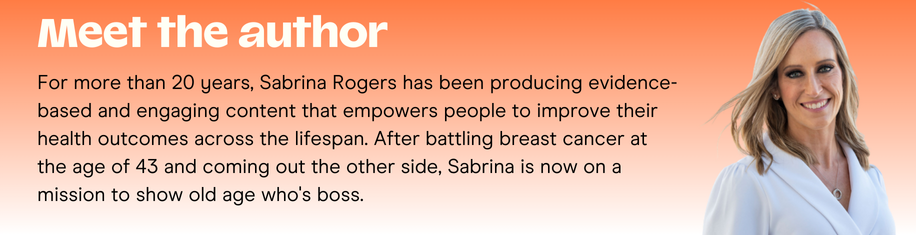
By Sabrina Rogers
When Rachael was diagnosed with major depressive disorder at 51, she was genuinely shocked.
“I had three kids one after the other in my 30s, juggled them and a demanding career as a nurse for years, and then my parents both got sick when my kids weren’t even teenagers yet and I became their main carer,” she says.
“I thought I felt exhausted and low because of the pressures in my life, but I never imagined I was clinically depressed. I’d always pictured depressed people not getting out of bed, which was the opposite of me. I never stopped! When I started taking [antidepressant] medication, the dark cloud that had been hanging over my head for a decade started to lift. I can honestly say it saved my marriage.”
In 2020-2022, approximately 20% of Australians aged 45 to 54 and 18% of those 55 to 64 had experienced a mental disorder such as depression or anxiety in the previous 12 months.
Yet many more cases go undiagnosed due to factors including persistent stigma around mental health and the mistaken belief that certain symptoms of anxiety and depression are just a “normal” part of getting older.
Here’s everything you need to know to take control of your mental health during midlife.
Why are depression and anxiety common in midlife?
“Many people are at the peak of their career with increased work responsibilities during this phase of life,” says Dr Jessamine Chen, Senior Clinical Psychologist and Research Fellow at Macquarie University's Lifespan Health & Wellbeing Research Centre.
“There are often major changes in family structure as well, such as children transitioning from high school to university or moving out of the family home. At the same time, many middle-aged adults start to have carer responsibilities for their ageing parents, which can be particularly difficult if they’re ill or have cognitive impairment.
And the symptoms of perimenopause and menopause can be distressing for many women as well. All these factors can contribute to the development of anxiety and depression.”
Midlife can also bring about a major shift in identity, says Rachel Tomlinson, Registered Psychologist and founder of Toward Wellbeing.
“Some people may start to reflect on their unfulfilled hopes and dreams and feel like time is running out,” she explains. “They may be prone to existential questioning and face their mortality for the first time, which can spark low mood or stress. And due to the busyness of life, it can be hard to find the time to effectively engage in self-care strategies to alleviate these feelings.”
What are the signs and symptoms of depression and anxiety?
Anxiety and depression are more than a checklist of symptoms. Every person experiences them differently, so it’s important to trust your gut if you haven’t been feeling right.
Signs and symptoms of depression may include:
- Feeling unhappy, sad or miserable
- Being irritable or frustrated
- Feeling indecisive or overwhelmed
- Low self-confidence
- Trouble concentrating
- Avoiding people or activities you used to enjoy
- Struggling to get things done
- Using alcohol or drugs
- Feeling constantly tired
- Headaches
- Muscle pains
- Upset or sore stomach
- Sleep issues
- Change of appetite
- Significant weight loss or gain
Anxiety may look and feel like:
- Feeling worried or anxious a lot of the time (even in the absence of an immediate stressor)
- Overthinking
- Having trouble controlling your worries or anxious thoughts
- Having a hard time calming down
- Trouble concentrating or mind going blank
- Alcohol or drug use
- Sleep problems
- Muscle tension or aches
- Headaches
- Racing heart
- Tight chest
- Shortness of breath or fast breathing
- Panic attacks
Anxiety can be tricky to recognise because we all feel anxious sometimes when we’re under pressure. But if that feeling persists even when the stressful situation has passed, take note.
“It’s incredibly variable in how it presents,” says Rachel. “Some people report that they simply feel ‘on edge’, ‘overwhelmed’, ‘tense’ or ‘too busy’. But no one should have to feel that way all the time.”
Dr Chen agrees that it’s the persistence of symptoms that’s the real red flag when it comes to mental health issues.
“We all go through periods of low mood, high stress, and maybe even heightened anxiety or worries,” she explains. “But if you frequently feel worried or down, you don't have a lot of energy to do things, you’ve stopped socialising or seeing friends, or you’re having persistent negative thoughts about people or the future – and those feelings last weeks, months or even years – those are clear indicators that you're not coping as well as you normally do and should seek help.”
Still not sure if you have anxiety or depression? Take the evidence-based Anxiety and Depression Test (K10) to assess your mental health and find out what support you might need.

Should I try to manage depression or anxiety on my own?
Lifestyle changes and self-help tools may be enough to manage mild or moderate anxiety or depression on your own, but Rachel warns that anyone experiencing more severe symptoms or thoughts of suicide or self-harm should seek immediate support (see below).
The following tools and techniques may help with mild to moderate symptoms:
- Lifestyle changes: “Try improving sleep routines, limiting screen time, moving daily, eating a balanced diet and reducing alcohol intake,” says Rachel.
- Notice patterns: “When you can figure out your triggers or notice how you react to things, it gives you a chance to pause and choose a response instead of simply reacting,” Rachel explains. “It gives you a moment to breathe, walk away or actively engage in another coping strategy.”
- Challenge your unhelpful thoughts: Try reframing ‘I’ll make a fool of myself’ into ‘I’ve done tough things before’ or ‘Even if I make a mistake, it doesn’t mean I’m not worthy or people won’t like me.’
- Avoid avoidance: “If you notice you’re pulling back or convincing yourself that you should avoid something, it’s important to challenge yourself,” advises Rachel. “It’s easy to get stuck in a cycle where you avoid something and it becomes bigger and scarier, so you lose confidence in yourself to manage situations or you don’t get the opportunity to practice the skills required to combat life’s challenges.”
- Use free online mental health tools and courses: “Macquarie University’s MindSpot program offers free, self-guided mental health courses to the public that sometimes include free sessions with a registered mental health professional,” says Dr Chen. You’ll find a full list of free mental health resources and support at the end of this article.
When should I get professional help and where do I start?
“If your symptoms have started to interfere with various areas of your life, such as work, family and social obligations, it’s a good idea to speak with your GP about getting a referral to a mental health professional,” says Dr Chen. “When those thinking and behaviour patterns have been going on for quite some time, they can be tricky to change on your own.”
Book a longer appointment with your GP so you have enough time to discuss how you’ve been feeling. They’ll assess your mental health with a questionnaire and determine whether you’d benefit from a mental health treatment plan.
A mental health treatment plan allows you to claim up to 10 individual and 10 group sessions with a mental health professional on Medicare each calendar year. These sessions may be free or partially subsidised by Medicare. You may still have out-of-pocket costs.
You can also choose to see a psychologist or other mental health professional without a referral from your GP or a mental health treatment plan.
“Look for a Registered Psychologist via the Australian Health Practitioner Regulation Agency or a therapist with credentials,” says Rachel. “It’s also vital to find the right fit. The therapeutic relationship - which includes trust, feeling heard and being comfortable – is often more important than the type of therapy.
“You might try a short ‘getting to know you’ session or ask the therapist how they work with anxiety or depression and what you can expect. You might also need to consider practicalities such as cost, location, whether they offer telehealth and their availability.
“The most important thing is to reach out for immediate support if you’re experiencing suicidal thoughts or feel unsafe with your own behaviours or urges.”
How to help someone with anxiety or depression
Bringing up concerns about a friend or family member’s wellbeing can be tricky, but Dr Chen recommends checking in early and often in a positive, non-judgemental way.
“That initial conversation might not lead to any concrete actions, but give the person some time and try again,” she says. “Check in on how they’re feeling and offer your support.”
Where to get free 24/7 mental health support
If you or someone else’s life is in immediate danger, call 000 now.
- Beyond Blue (1300 224 636): Evidence-based mental health information and support
- MensLine Australia (1300 789 978): A free telephone and online counselling service offering support for Australian men
- Lifeline (13 11 14): Australia’s leading suicide prevention service offering 24-hour crisis support
- Suicide Call Back Service (1300 659 467): A free nationwide service providing 24/7 phone and online counselling to people affected by suicide
- 13YARN (13 92 76): A confidential one-on-one yarning opportunity with a Lifeline-trained Aboriginal & Torres Strait Islander Crisis Supporter who can provide crisis support 24/7
The information on this page is general information and should not be used to diagnose or treat a health problem or disease. Do not use the information found on this page as a substitute for professional health care advice. Any information you find on this page or on external sites which are linked to on this page should be verified with your professional health care provider.
Feature image: iStock/mapodile
More help for mental health: