
Lifestyle
Meet 3 women who divorced after 50 and never looked back
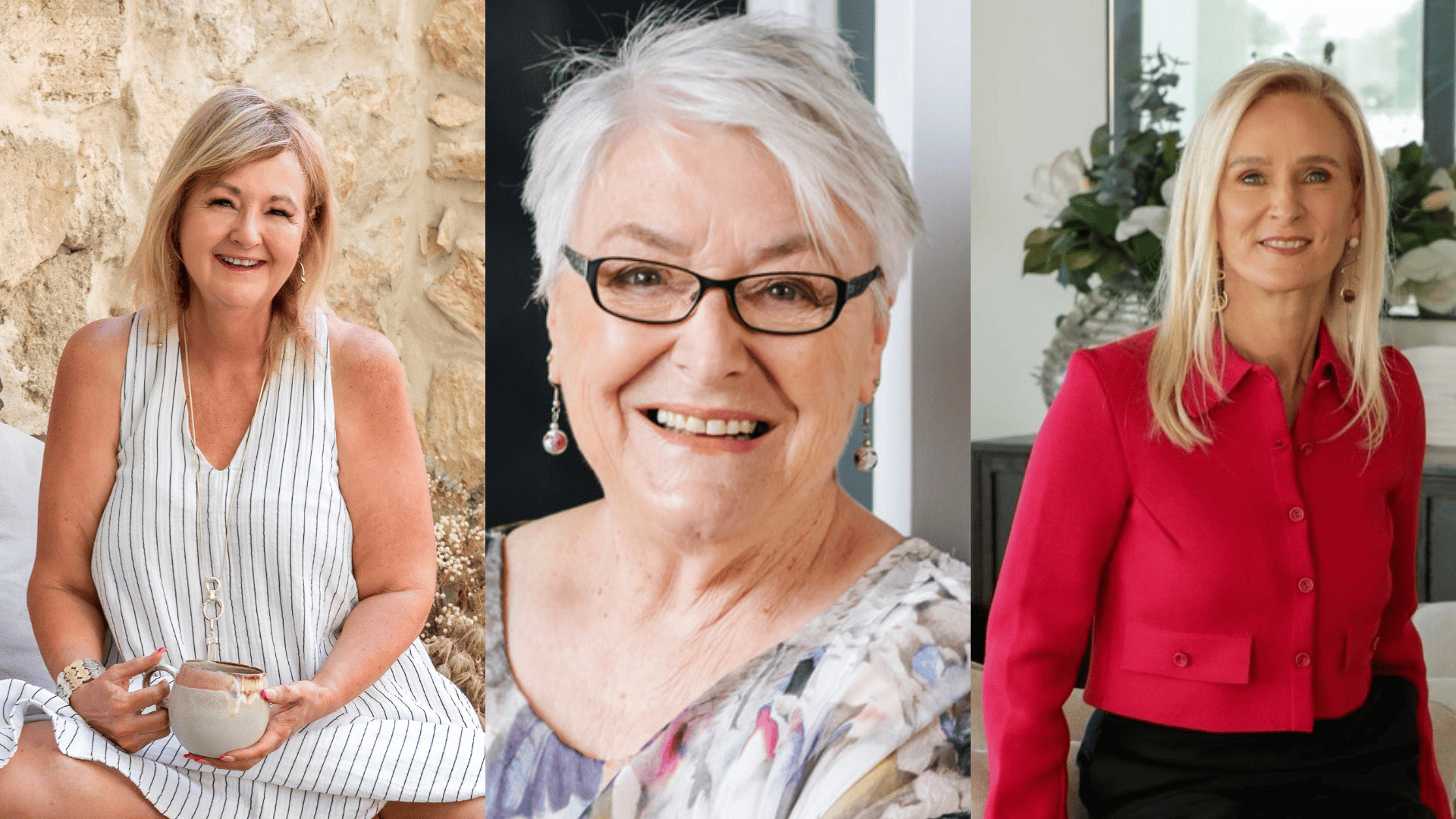
For Dianne, Briar and Elizabeth, a late divorce wasn’t the end of their story; it was the beginning of their best chapter yet.
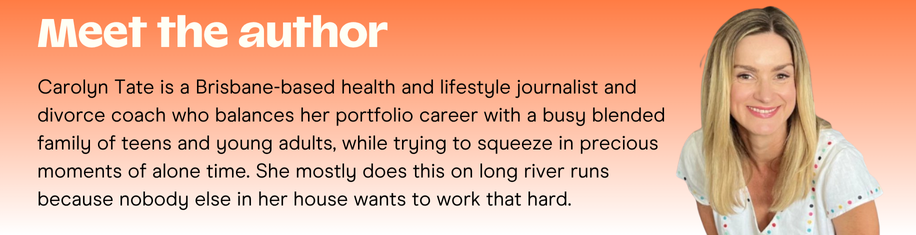
By Carolyn Tate
Divorce can feel huge and scary, especially after a long marriage, when your identity has been wrapped up in being a wife, a partner, a family unit. But these stories show that life doesn’t have to shrink after divorce. In many cases, it expands.
Briar’s story: Rebuilding a life she loves
Briar’s divorce was long and drawn-out. A separation that began in 2015 turned into a seven-year legal process. For a long stretch, she and her sons lived in the huge family home, condensing their lives into one single room they jokingly called “mum’s New York apartment”.
“We had a fridge, a microwave, a chair, the TV and a mattress on the floor,” she says.
Eventually, Briar gave up her family home, and in that raw early stage, stability was scarce. “I slept on the floor, the couch, my son’s twin bed, the balcony, the car, the park,” she says. “I slept anywhere.”
What kept her going was her children. “It’s going to be really hard, but it’s going to be okay,” she told them. “We’ll get fed. We’ll pay the rent. We’ll figure it out.”
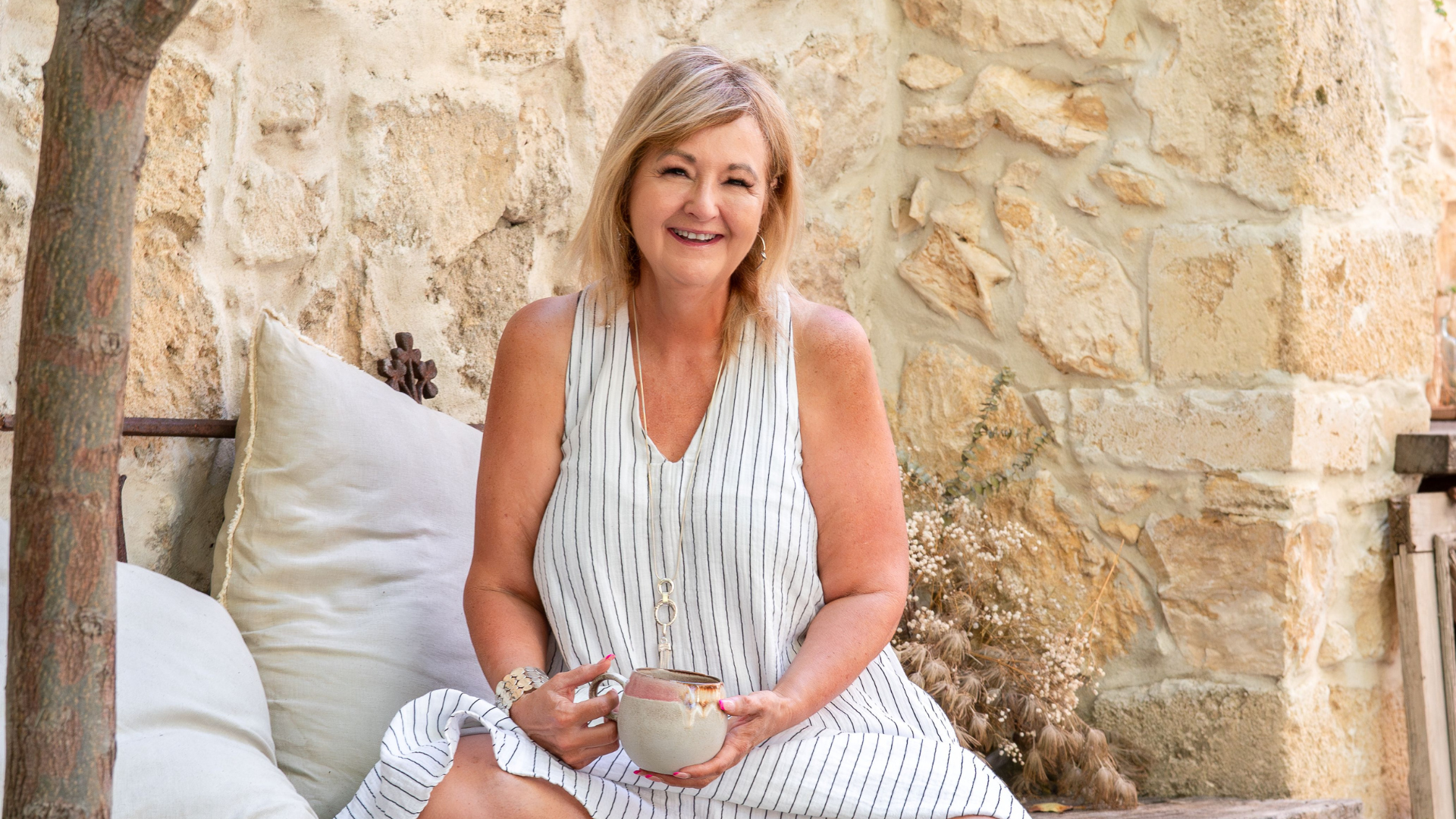
The shift didn’t happen all at once. It began with survival routines – walking, loud music, getting through the day. “Pink was in my ears,” she says. “I’d walk, sing loudly, swear and cry.”
She started putting positive affirmation post-it notes on the mirror: You’ve got this. When a therapist told her to “put some sunshine” in her life, Briar took it literally. “I bought yellow paint,” she laughs, “and painted a vase.” That small act mattered. “I started painting my world,” she says. “Turning something ugly into something beautiful.”
As her life steadied, Briar noticed a pattern: she felt better when she was creating, hosting, and looking after others, but without disappearing herself. Time in Bali became part of her healing. “I get well there,” she says. After a serious health scare, she reassessed everything. “I thought, I don’t care what this looks like; I just want to live.”
What began as informal gatherings with friends slowly evolved into something more intentional. Today, Briar runs women’s retreats in Bali focused on rest, connection and joy. “I give women ‘me time’,” she says. “A place to be heard, seen, and looked after.” After everything she’s been through, her outlook is simple: “Live your best life – because that’s the best offence.”
Elizabeth’s story: Finding herself after divorce
Elizabeth’s divorce came as a shock. After more than 25 years of marriage, she didn’t see it coming. “I honestly thought it was just male menopause,” she says. “I thought it would pass.”
Instead, her husband told her he had “fallen out of love,” and the life she thought was secure suddenly disappeared.
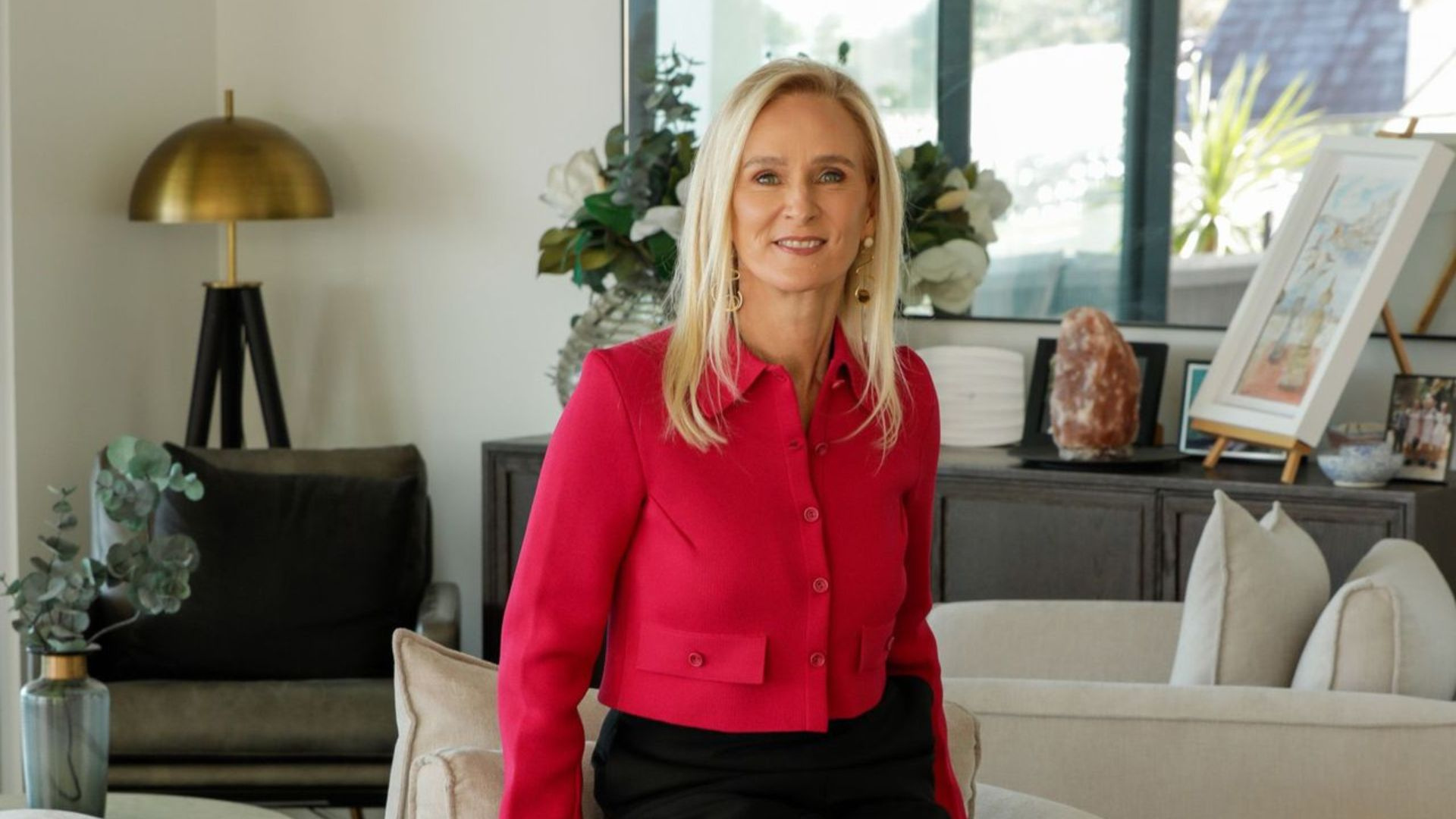
Like many women, Elizabeth had spent decades putting everyone else first.
“I’d completely lost myself,” she says. “Not just as a wife, but as a mother to four children. If you’d asked me if my needs were being met, I would’ve said yes – happy kids, good marriage, house, picket fence. I didn’t even realise I was sidelining myself because I never looked at my needs.”
The emotional fallout was heavy. “I hit rock bottom,” she says. “I blamed myself. I felt deep grief and loneliness – the kids were growing up, my husband had gone, and I remember thinking, ‘What happens now?’”
An optimist at heart, Elizabeth says she began asking herself how she could lift herself out. “I realised it was an inside job,” she says. “I couldn’t point the finger forever.”
She began journalling, travelling, exploring healing modalities, and slowly rebuilding her sense of self. “My first rule was simple,” she says. “Follow your joy. Even if it was just ten minutes a day.”
Bubble baths turned into writing. Writing turned into a book. Painting – something she’d never done before – became another unexpected outlet.
Today, Elizabeth describes her divorce as a blessing in disguise.
“I would not have found me otherwise,” she says. “My biggest transformation is authenticity. That’s our superpower – just being real.”
Her advice to women divorcing later in life is gentle and grounded: “Don’t expect to climb Mount Everest tomorrow. Take baby steps. Be kind to yourself. And remember, it’s not selfish to put yourself first. It’s how you find your way back.”
Read more about Elizabeth’s story here.
Dianne’s story: Remembering who she was
Before she married, Dianne was a traveller. Independent, capable and curious, she spent years moving through the world on her own terms. It was during this time that she met her husband in Burkina Faso. Their relationship was interracial and interfaith – differences that, for a long time, Dianne believed required extra patience.
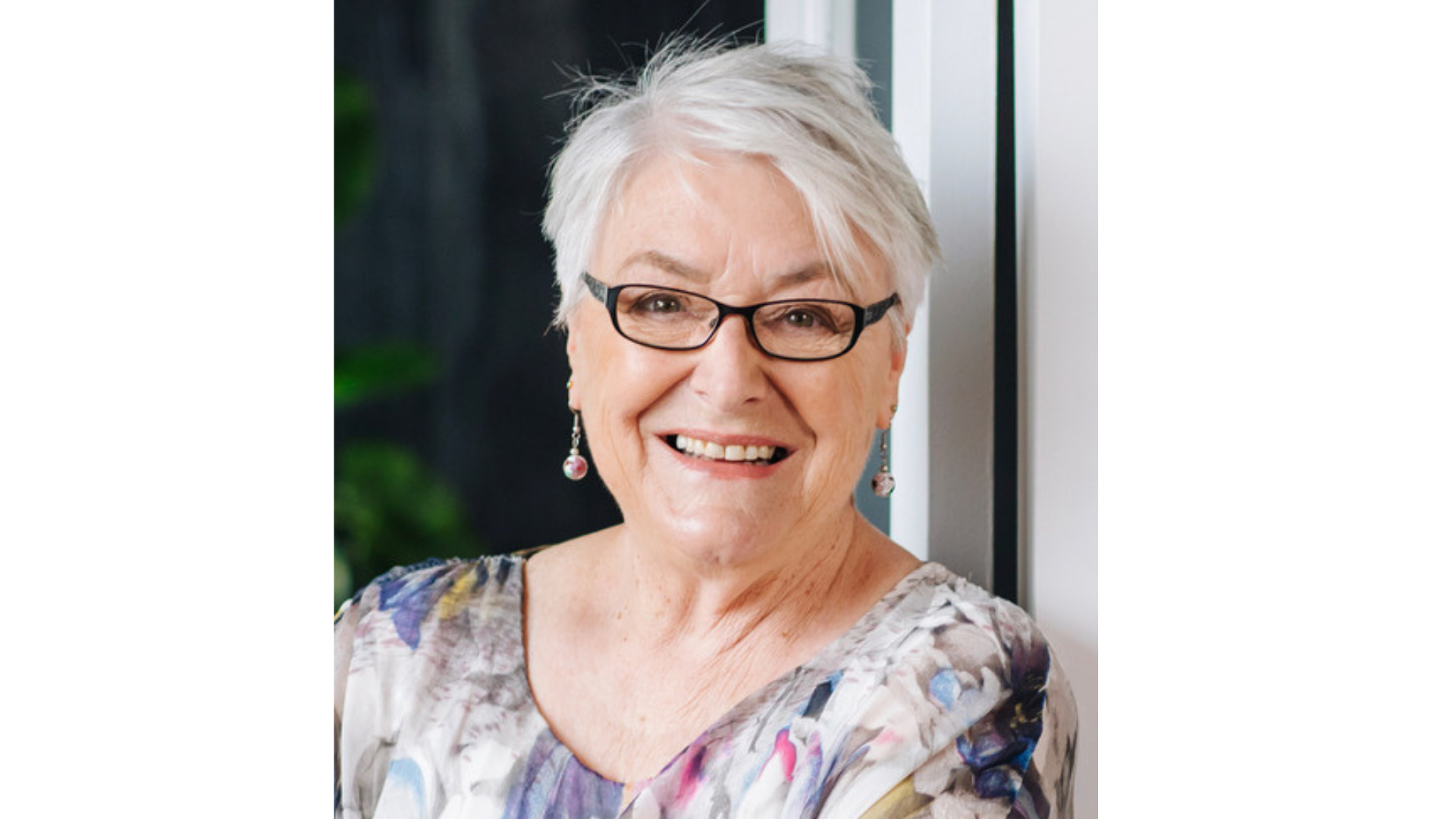
“I rationalised a lot of his behaviour,” she says. “I told myself this must be cultural. That I needed to be more understanding.”
Dianne can see now that this way of thinking kept her in the marriage long after it had become unsafe. “I eventually had to accept that the differences weren’t cultural,” she says. “It was a controlling and abusive marriage.”
Although the couple had moved back to Australia before they had their two daughters, leaving wasn’t simple. Dianne spent years weighing whether to stay or go, grappling with faith, identity and responsibility. “When your marriage is based on religion, your identity is tied to it,” she explains. “I had to separate who I was as a woman of faith from a relationship that wasn’t safe.”
But after 27 years of marriage, Dianne made her well-planned exit, ensuring she had everything she needed, so she’d never have to go back.
“Separating was good,” she says. “But divorcing was even better.” Still, grief followed — not for the relationship itself, but for what she’d hoped it would be. “You grieve the dream,” she says. “Not the person.”
What helped her rebuild was remembering who she’d been before. “I realised I was capable,” she says. “I’d travelled the world alone before – I could do it again.”
Travel became her reset. She took her daughters with her, teaching them how to navigate the world and sharing her love of adventure. “It broadens your perspective,” she says. “It gives you confidence.”
That clarity led Dianne to her purpose when she began volunteering with women experiencing family violence. Today, she runs support groups and training programs focused on recovery from coercive control and family violence. She’s even reclaimed her wedding anniversary, turning it into the founding date of her business.
“My recovery became a gift,” she says. “What once felt like a burden is now a way to help other women move forward.”
Dianne’s message is simple: “Happily divorced is far better than miserably married,” she says. “You don’t lose yourself when you leave – you find yourself again.”
Protect yourself: if you are in danger, get out of the situation and call the police on triple zero (000).
If you feel unsafe, 1800 RESPECT (1800 737 732) has resources that you can use to develop a safety plan and a 24-hour National Sexual Assault, Domestic, Family Violence Counselling Service you can call on for help.
Feature image: composite from supplied images
Tell us in the comments below: Did it take you a long time to come to terms with your divorce?
More real-life stories for you: