
Lifestyle
Why Imogen embraced her grey hair and will never go back
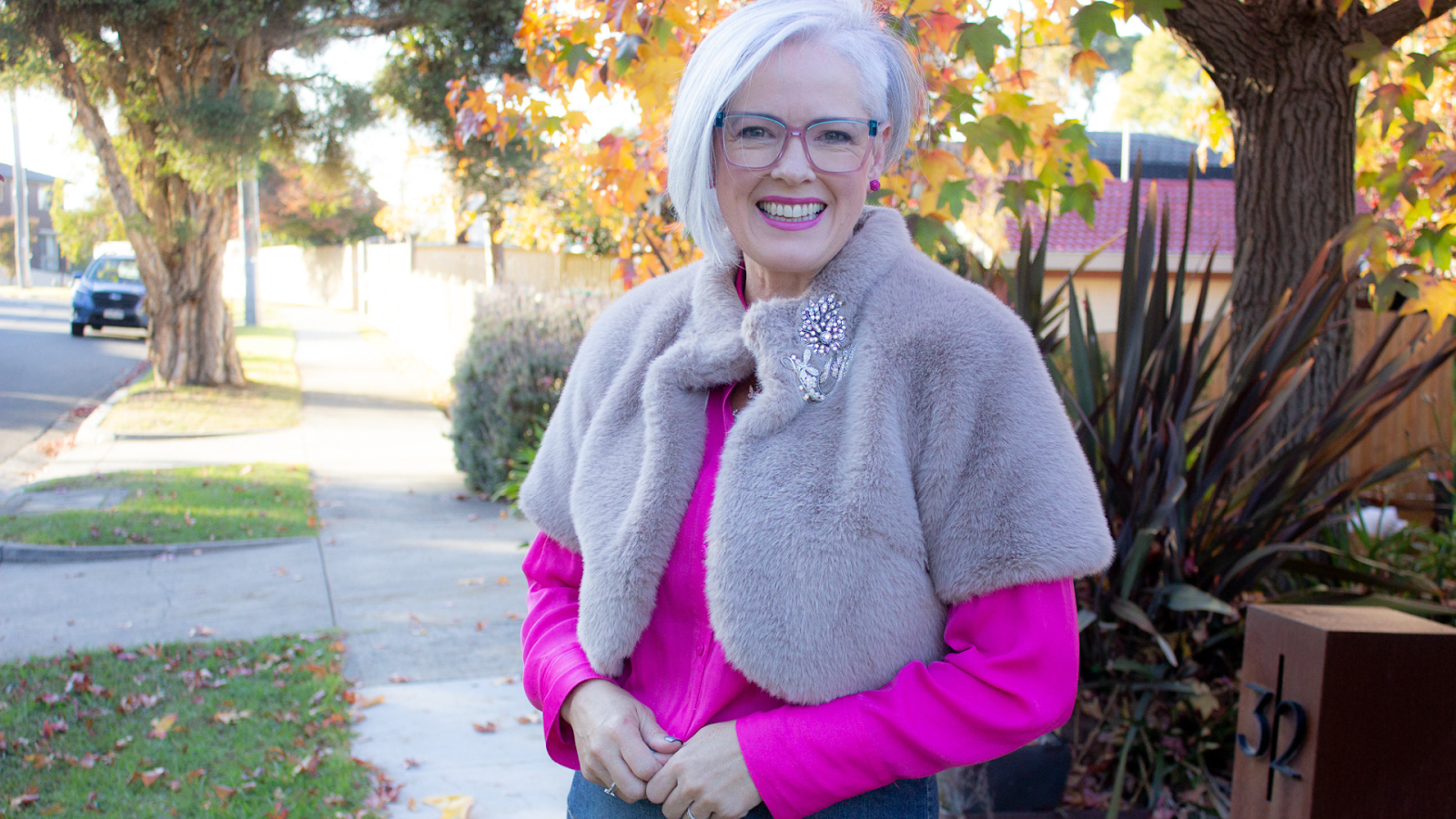
At age 52, Imogen Lamport went from blonde to grey during the long Melbourne lockdowns of 2020 and never looked back.
As told to Elli Jacobs
My natural hair was dark brown, almost black. But I started going grey when I was just 15 and at first from the age of 22, I dyed it black to cover it up.
I gradually transitioned from black to dark brown hair and kept that shade until around age 45. At that point, I decided to go blonde because I was having to dye my roots every 10 days and the upkeep was too demanding, plus the dark colour had started to look too harsh against my skin tone.
It took me a year to get used to it, but eventually I stuck with it for nearly a decade – touching it up every six to seven weeks.
I found myself at a crossroads
In 2020, after six months of not being able to get to a hairdresser, during lockdowns, I found myself at a crossroads. My blonde dye job was growing out, my roots were showing, and I was tired of the constant upkeep, the expense, and the pressure to appear younger.
I worked out how much I’d spent on colouring and touch-ups, every six or seven weeks for years and it came to about $2,000 a year. That’s $10,000 over five years. It’s a huge amount of money to spend just to pretend I hadn’t aged!

I also thought, “When will I ever get this much uninterrupted time again to see what it actually looks like?” I figured I could always dye it again, if I didn’t like it.
I took the leap, dyed my blonde hair grey and went for a bold, modern cut.
I didn’t want it to feel like surrender, but a confident, intentional statement.
I knew a conservative style would only age me, so I chose something expressive and fresh. With the right cut, grey isn’t dull or outdated – it’s powerful and stylish.
What happened next surprised me.
More than just a hair colour
At first, it was emotionally confronting.
Like many women, I had internalised the idea that grey was for grannies. Actually, when my kids were in primary school, they’d tease me with that line - “Mums have brown hair, not granny grey!” They didn’t want to be picked up by someone who looked like a granny. But now they’re adults and they don’t care at all.
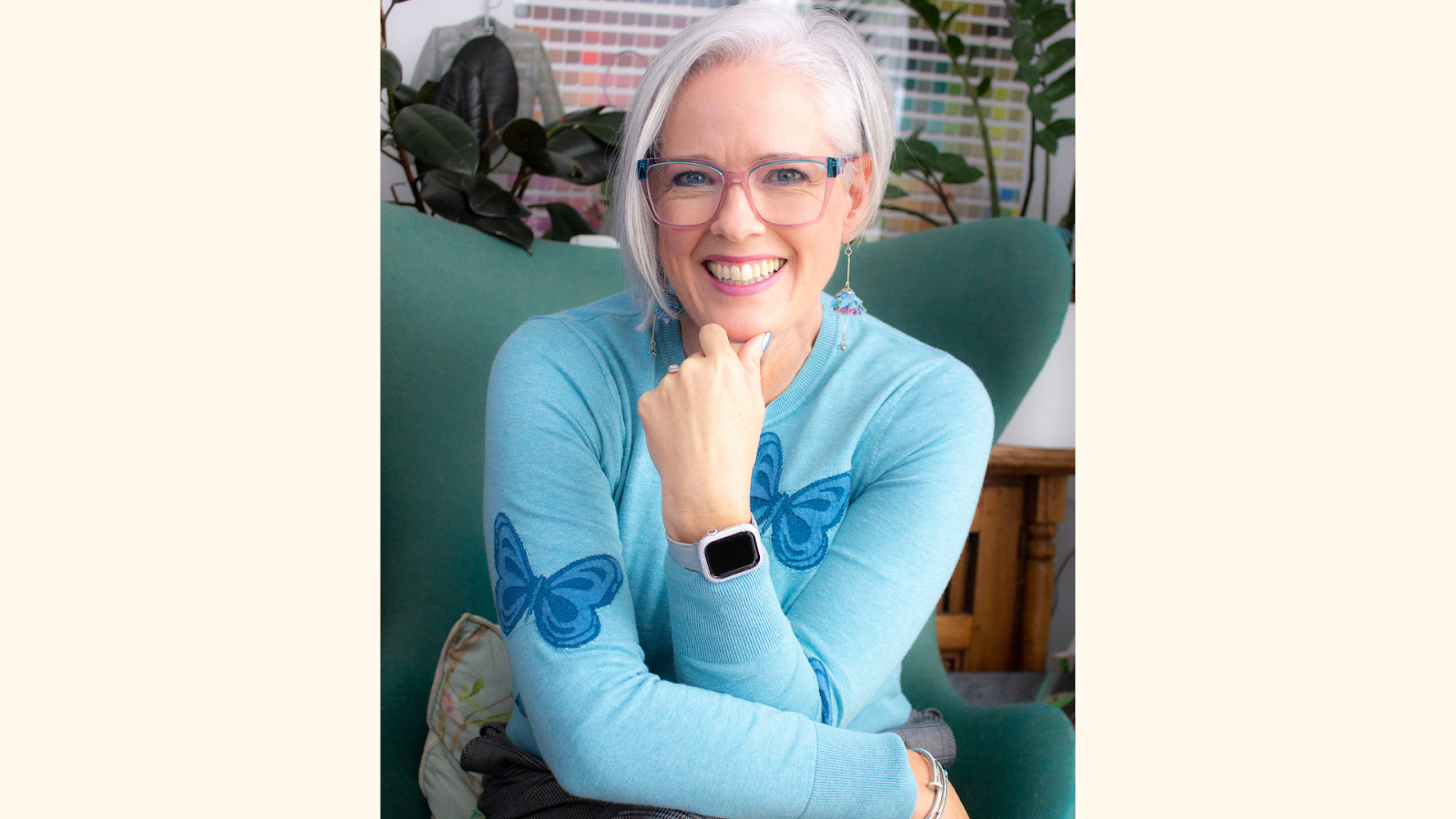
And here’s the funny part: I’ve never had more compliments in my life. Strangers – especially women – stop me in the street, at the supermarket, even while I’m walking the dogs, just to tell me how amazing my hair looks.
More stories here: Embracing the grey
That never happened when I was dyeing it, whether dark or blonde. Some even ask who does the colour, not believing it’s natural.
I’ve also had many friends comment on how much they love my silver and wish their hair was the same colour as mine.
I feel more seen
It’s been a surprising gift as I stopped dyeing it to let myself just be, and somehow, embracing the grey has made me feel more seen. I always thought going grey would make me fade into the background – grey is a muted tone, after all, and as women, we’re often made to feel invisible as we age. But weirdly, I feel more visible now. People notice me more. And that’s been really lovely.
Beyond the compliments, the change has been freeing. My hair is in better condition, it no longer feels like straw. Plus I’m only at the salon every six weeks for a quick cut, which has saved me hours of time and a significant chunk of money. What used to cost $2,000 a year now costs a third of that.

Showing up just as I am
But more than that, going grey has been a mental and emotional shift. I’ve stepped into a version of myself that feels more authentic and less performative. I’ve had to get comfortable with being seen as ‘older’ and shucking off my own prejudices.
Growing up, grey hair somehow symbolised decline. I remember the elderly women across the street with their blue and pink rinses. No one celebrated ageing, it was something to be hidden.
Even my own mother Barbara, she’s in her mid-eighties, when I told her I was going grey, said, “I’m never going grey.” Her generation was the first to have the option not to. That’s what hair dye offered: a delay in the visible signs of ageing. But it also came with an invisible cost – the feeling that we have to maintain youth at all costs. But for me now, it’s a choice.
I know now that embracing my grey isn’t just about hair. It’s about showing up as I am. It’s about stepping outside of the beauty industry’s narrative that youth is everything and saying: This is me, and I’m still here.
I’ve outlived two of my close friends who never made it to 50. So, every birthday, every grey hair, is a privilege. Every grey hair reminds me I’m still here. These strands are symbols of survival, experience, and the wisdom that comes with time.
Feature image: Neil Creek
Tell us in the comments below: Have you or would you allowed your natural grey to shine?
More stories about finding yourself: