
Lifestyle
How end-of-life doulas are helping families say goodbye
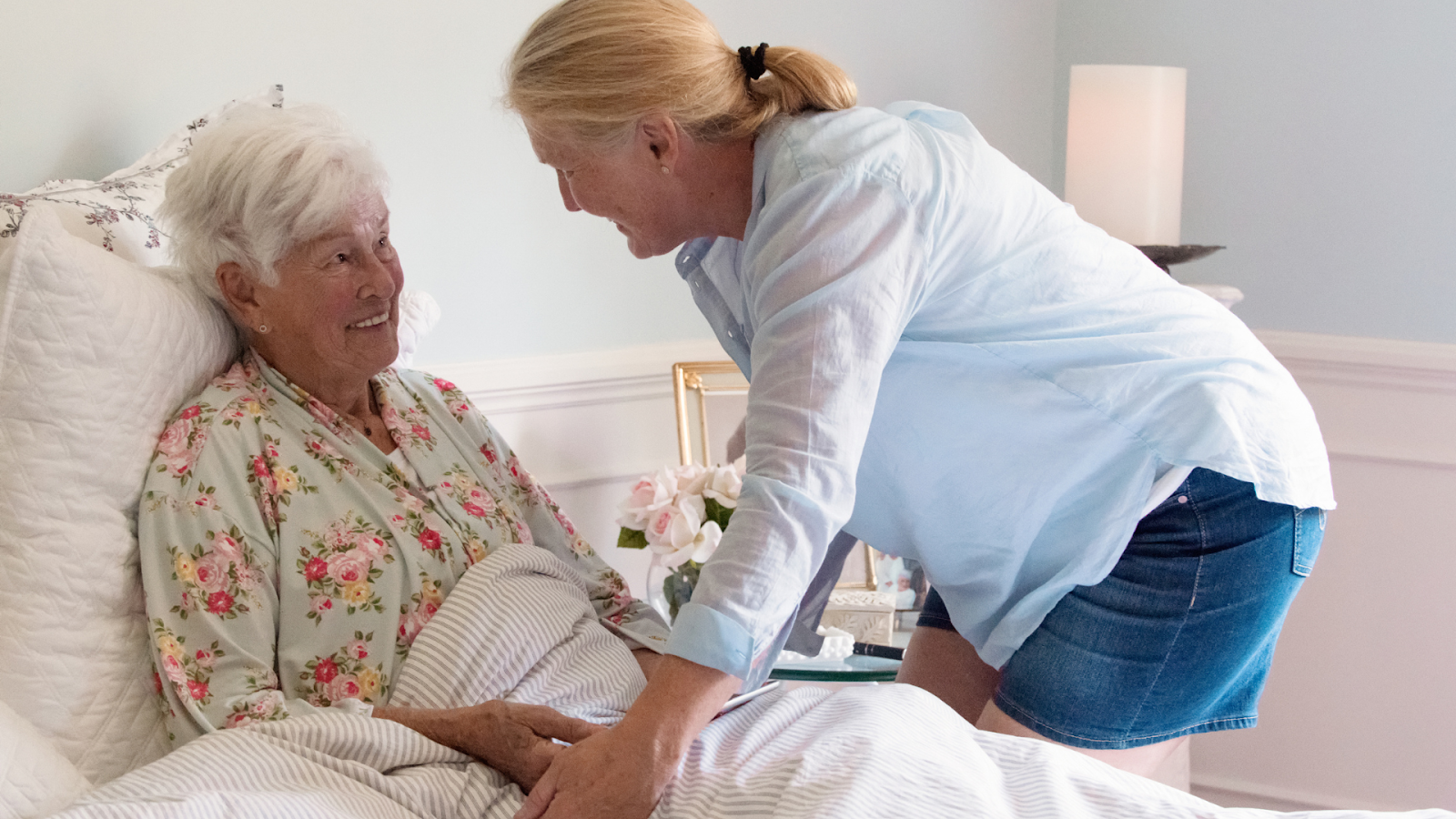
End-of-life doulas are supporting adult children during their parents’ final days, offering practical support and human presence when it matters most.
By Rosalyn Page
We plan for career, travel, retirement, yet planning for how we’ll support our parents at the end of their life is much harder. It’s understandable. For adult children, the thought of a parent’s death is both confronting and inevitable.
This is where an end-of-life doula may help older parents and their families, offering practical support, comfort and advocacy at a time of high emotions. Doulas can also help loved ones remain in their home environment for longer and lower their distress and discomfort.
A recent NHS pilot in Leeds, UK, showed that end-of-life doulas reduced unplanned late-stage hospital admissions by 78% and improved family satisfaction.
“We complement palliative care by giving time, presence and practical guidance so people feel prepared, heard and calm,” says Shannon Beresford, an end-of-life doula who runs his own practice, Your Path Guide.
He tends to the individual, offering bedside support and care through music, reading or breath work. He can provide respite blocks and gentle coaching for what to expect next for loved ones.
His role can also include the practical elements, such as helping with Advance Care Directives, helping coordinate care with support people, checklists, meal and medication prompts, and supporting life reviews and farewells.
“Clinicians manage symptoms. Doulas tend the human experience. Together, we help the person’s values guide each step, from decisions on paper to the feel of the room at the bedside,” he says.
In one case, Shannon was asked to support an older person in residential aged care whose health had shifted quickly.
“Those supporting them felt overwhelmed and worried about ‘missing something important’. We made a simple plan: who would be there when, how to keep the room calm and which comfort measures felt right,” he says.
Shannon worked closely with the aged care team so their support aligned with clinical care, checking with nurses and care workers, staying in contact with the GP or palliative nurses to relay updates and noting vigil plans were noted on the room whiteboard.
It’s not about getting the experience to be perfect or polished. It’s being intentional, meaningful and making space for final farewells.
“It was human, loving and aligned with what mattered most to them,” he says.

How do you find an end-of-life doula?
While end-of‑life doulas are not registered and there are no minimum requirements, many undertake specialised training to help prepare them for this intense role.
The End of Life Doula Directory is a useful starting point to research doulas where people can find out more about a doula’s training and certifications, skills and services, how long they’ve been practising and fees.
In Australia, there are non-accredited foundational courses that help people start this work. These include Preparing the Way, Life Options, the Natural Death Care Centre and others.
Australia also leads the world with the Certificate IV in End of Life Doula Services, which is the only accredited qualification of its kind, and sets a recognised standard of practice.
“Many doulas begin their practice through one of these programs and go on to deepen their skills through mentoring and experience. Formal training matters. It sets standards, builds trust and makes collaboration easier,” says Shannon.
Equally important is fit.
“Every family is different, and end-of-life support is deeply personal,” he says.
People considering engaging a doula should ask how they approach planning, vigilling and carer support, and whether they can adapt when things don’t go to plan.
“The right doula is not only qualified; they are the person your family feels safe and steady with in the most vulnerable moments,” he says.
Helping families find the words to talk about death
Engaging a double is helpful when families have little experience with death. Many families can struggle to find the words to address death and end-of-life considerations.
Gentle, compassionate conversations with a trusted, knowledgeable guide can allow families and the terminally ill to ask all the questions they want in a safe place, says end-of-life doula Nicole Grundy.
“I often join a family because nobody in the family wants to talk frankly about the end of life with the person, or the dying is worried about upsetting loved ones,” she says.
Despite death being a natural and unavoidable part of life, it is often surrounded by a lot of fear, unanswered questions and much uncertainty. Doulas can bring an ease to death literacy, letting people know it is okay to discuss things with their doula and have trust in working out what they want.
“They realise it is not morbid or taboo and actually life affirming,” Nicole says.
In many traditional settings, death is treated as a medical failure rather than a human experience. The focus of death is often on intervention, medication and hospital visits.
“Some people do wish to die at home, others do not even know that is possible. We default to institutional settings because that’s what we know. There is no map to follow and we have been a death phobia society,” she says. “The conversations people should be having to prevent ‘bad deaths’ and kiosk-style departures start with values-based discussions.”
In Nicole’s experience, just like birth planning, end-of-life planning should involve understanding your options, choosing your care team, preparing your environment and having your support people know your preferences.
“Both experiences are deeply personal and should reflect your values, not just medical convenience. Planning for death can actually help us live more intentionally every day,” she says.
Feature image: iStock/manonallard
Tell us in the comments: Have you ever used a doula?
More on supporting ageing parents: