
Health
Testosterone: it's not just for blokes

We’ve finally dragged menopause hormones into the daylight, but there’s one we’re still whispering about. For some women, testosterone may be the missing piece.
By Carolyn Tate
Menopause is having a moment right now – and thank goodness for that. After being something our publicly stoic mothers and grandmothers would whisper about behind closed doors, society has finally decided the hormonal circus that is mid-life can now be talked about openly.
That may have something to do with marketers realising middle-aged women are cashed up and desperate for relief, but let’s take the wins where we find them.
5 reasons we remain in the dark about perimenopause
Finding appropriate treatment can be tough, with a recent analysis finding over 85% of women with menopause or perimenopause symptoms aren’t receiving appropriate treatment.
There is a range of options for those needing help through this time, and hormone replacement therapy (HRT) – also known as menopause hormone treatment (MHT) – is right up there, especially oestrogen. But that’s not the only hormone women are falling in love with right now.
When I first started HRT, my GP prescribed oestrogen gel. It helped with the hot flushes and night sweats, but I still felt like I was wading through mud. My energy was flat, my mood was low and my libido had packed its bags and left without a forwarding address. I couldn't muster the motivation to go running, which had always been my outlet. At work, I'd forget words mid-sentence (which, for a writer, isn’t ideal) and feel foggy in meetings. It felt like I was watching my own life through a smudged window.
5 things Dr Ginni Mansberg wants you to know about brain fog
My GP suggested running a full set of blood tests, which came back showing my testosterone was undetectable. Zero. To be honest, I didn’t even know I needed it, but I started using a testosterone cream, and within a week, everything shifted. I felt sharper, brighter, with the stamina to lace up my running shoes again. My mental clarity returned. And yes, my libido came back too, which was a popular result at home. For me, testosterone has been transformative.
What testosterone actually does
Testosterone levels in women begin declining gradually from the mid-30s onwards, explains Dr Kathryn Chae, from online menopause healthcare provider Emsee."
“Production drops by approximately 50% by the post-menopausal years," she says. "Unlike oestrogen, which falls more dramatically during menopause, testosterone decline is gradual but steady throughout the reproductive years."
If your sex drive is lower than usual, and it’s not caused by other health conditions, medication, or the personality of the person you’re involved with, that could be a sign that testosterone might help.
"Clinical trials have demonstrated improvements in sexual desire, arousal, orgasm, pleasure and overall sexual satisfaction, along with reduced sexual distress," Dr Chae says. "While some women also report improvements in energy levels, mood, stamina and muscle strength, the evidence base for these benefits is less established and requires further research."
Busting the myths
Many women worry that testosterone will make them suddenly grow a beard and resemble a lumberjack, but Dr Chae is quick to reassure: "When prescribed at physiological female doses with proper monitoring, these effects don't occur. Women naturally produce testosterone throughout their lives and it plays important roles in sexual function, energy and overall vitality."
One patient treated by Dr Chae was a 52-year-old woman who, despite being on oestrogen and progesterone therapy, continued to suffer from a low sex drive, which was causing her distress and affecting her relationship.
"After assessment confirmed HSDD (Hypoactive Sexual Desire Disorder), we initiated low-dose transdermal testosterone with careful monitoring, and within 8-12 weeks, she noticed significant improvements in libido and relationship satisfaction” says Dr Chae. “Her testosterone levels remained safely within the normal female range throughout treatment with no unwanted side effects."
The access problem
Here's the frustrating bit: getting testosterone for women isn't always straightforward in Australia. Androfeme 1% is currently the only female-specific testosterone product available. It costs around $100 per tube and as it's not PBS-listed, you’re up for the full cost. Some GPs may also be hesitant because there are limited training opportunities in prescribing testosterone for women.
"If your GP is uncertain, request a referral to a menopause specialist or women's health clinic who can provide expert assessment with comprehensive monitoring through baseline and regular blood tests every 6-12 months," Dr Chae advises.
What to expect
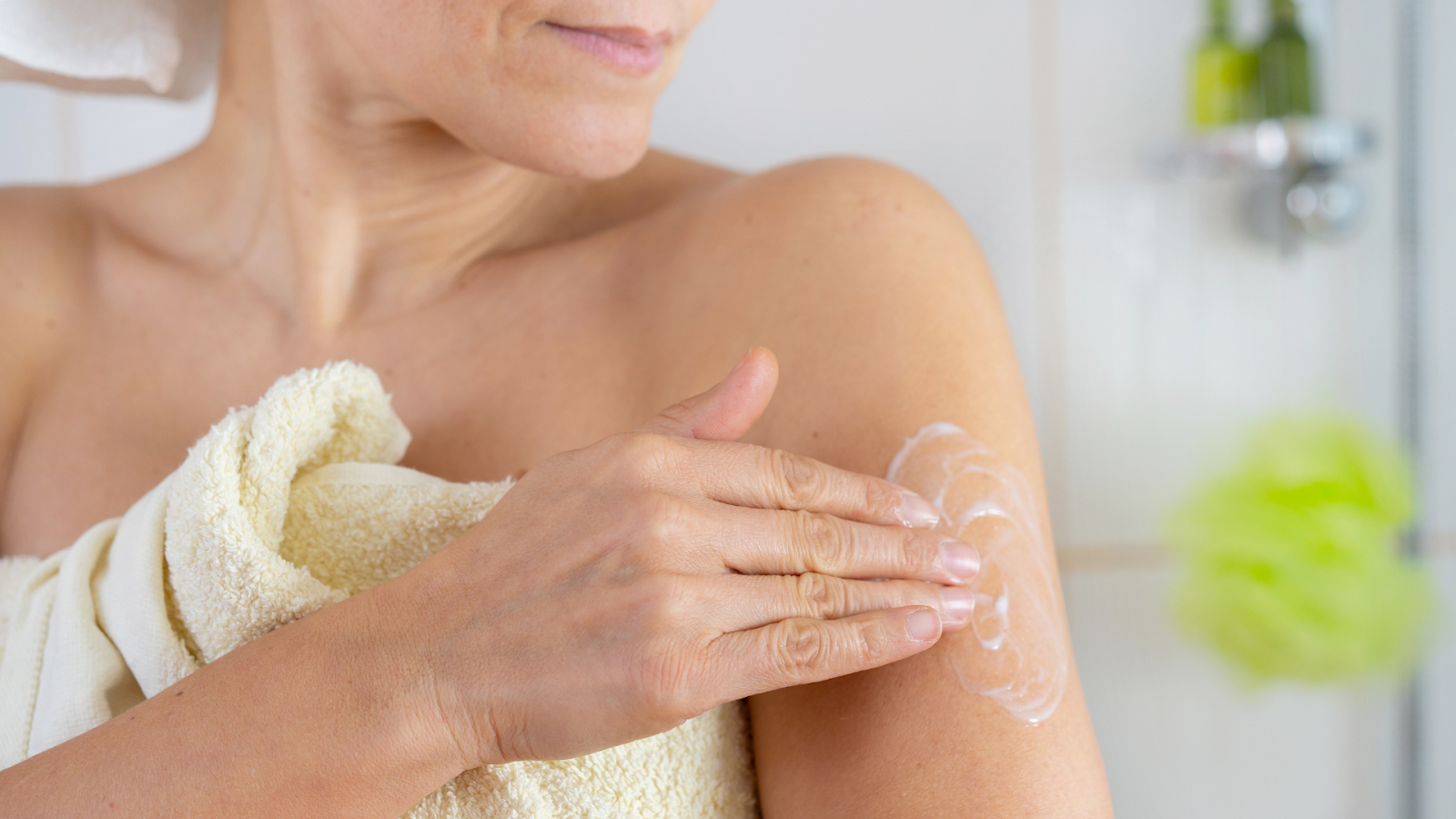
Side effects are uncommon and, if they do occur, usually mild. "Some women may experience mild acne or oily skin, or slight hair growth, but these effects are rare when testosterone levels are kept within the normal female range," Dr Chae explains.
She says it's important to use transdermal testosterone cream rather than oral forms, because oral testosterone adversely affects cholesterol levels and increases cardiovascular risks.
If you’re thinking testosterone might be the answer you’re looking for, Dr Chae says it’s important to remember that, while it can help, it isn't a magic bullet.
"Testosterone therapy should only be prescribed when there's a clear clinical indication, primarily HSDD, always under specialist supervision with comprehensive monitoring," she says. "It's also worth noting that addressing relationship issues, stress, medical conditions and medications that affect libido remains essential for optimal outcomes."
But if, like me, you've tried everything else and still felt like you’re living at half-speed, testosterone can be life-changing. It's not about prolonging your youth or denying the reality of ageing – it's about feeling more like yourself again. And that's something I highly recommend.
The information on this page is general information and should not be used to diagnose or treat a health problem or disease. Do not use the information found on this page as a substitute for professional health care advice. Any information you find on this page or on external sites which are linked to on this page should be verified with your professional health care provider.
Feature image: iStock/kate_sept2004
Tell us in the comments: What’s been the hardest part of perimenopause and menopause for you?
More support for you: