
Money
Why your future health costs deserve their own retirement plan

Rising aged care and health costs mean Medicare and private health insurance might not always be enough. A little planning now could be the best investment you make for your future self.
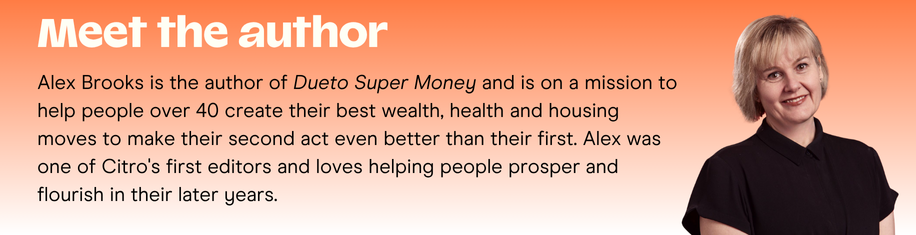
By Alex Brooks
Most of us think flashing our little green Medicare card means our healthcare costs are covered.
And why wouldn’t we think that having a private health insurance policy or Australia’s aged care system will support us – or our parents – when we need them most?
But times are changing.
Deloitte’s Andrew Boal, an actuary who specialises in understanding superannuation and retirement risks, says health and aged care costs will rise. For everyone. Not just governments who pay the bills.
“On average, the healthcare costs of a person over age 85 is about five times higher than those that are under age 35,” he says.
Yes, Australia has a decent health system and some solid health and financial concessions for older people. But our ageing population means we have to shift to a user-pays system.
And that means we must think ahead about how we’ll pay for health and aged care costs to fund our different phases of retirement – the go-go years, the go-slow years (when health expenses start to rise), and the no-go years, when health needs are costliest.
Even aches and eyesight cost more than you think
Most of us understand that a serious illness like cancer will deliver a financial and an emotional shock - Aussie research has found some cancer patients face more than $17,000 in out-of-pocket costs, even with a Medicare card and private health insurance.
But it’s not just a major illness that can derail your financial plans.
Did you know that osteoarthritis is one of the top causes of early retirement, according to Arthritis Australia? Or that the wait time for cataract eye surgery in the public system can stretch to more than a year (372 days to be precise)?
The connection between health and wealth has never been more real. And if you need reminding, just look at the UK, where wealthy older people are paying $42,000 a year for ‘longevity memberships’ to ensure their healthspan remains in tip top shape.
But you don’t need deep pockets to invest in your own health. Just a few smarts and a dash of planning can save you.
Your health (and health self-insurance) is priceless
Most of us know that private health insurance is a must-have.
Even with top private health insurance for dental, your health insurance policy won’t cover nearly as much as you’d like.
Take crowns and dental implants, which most of us will inevitably need to pay for as we get older. A crown or implant can cost anywhere from $3,000 to $7,500 per tooth, but most health insurance policies only contribute $800 to $2,000 under major dental limits.
Canstar says the average hospital and extras private health insurance premium is currently about $300 a month for a single, or about $570 a month for a couple.
But if you let your health insurance lapse after age 30 and need to pay an age-related loading to access private health, you may have to pay up to 70% more. The lesson here is to keep your health cover, even if you need to bump up your excess to lower the overall premium costs.
Yep. Depressing.
The bright side is that investing in preventative health care costs offers an immediate financial upside to your future.
More sleep, less money stress, better exercise and eating habits (including eating to maintain your brain and reduce your chance of dementia) are a few easy easy ways to insure yourself against future health costs.

At the very least, make sure you’re completing all your free Medicare-funded health checks and for fun, see if you can pass these 4 longevity-related physical tests.
Prevention is always cheaper than cure. Even 15 minutes’ exercise a day will benefit your health span – yes, really.
Health shocks can hit like a car crash – financially and emotionally. But keep reading – and planning – so unexpected health or aged care costs don’t derail your financial (or life) plans.
Aged care costs could shock you, too
Aged care is something most of us think is decades away. And it probably is.
More of us are likely to age in our own homes than end up in residential aged care but the Federal Government’s changes to aged care has aged care experts like Rachel Lane screaming.
While the government promotes the idea of a new means-tested aged care system, with a $130,000 lifetime cap and better support at home, Rachel says, “the broken reality is that ‘means-tested’ somehow means it’s affordable.”
Yet planning for aged care costs is challenging, because you won’t know what you’ll need until you need it.
What type of support will you need at home? Is residential aged care going to be necessary? Will you qualify for financial hardship assistance?
Aged care expert and Professor Kathy Eager has explained how to navigate the new aged care changes but the sobering reality is that most of us – and our parents – will end up paying more, especially with ongoing shortages of nursing and care staff.
Read this too: Support at Home is coming: will it actually make home care easier?
If you’re expecting an inheritance from elderly parents, it’s worth remembering that if they need to sell the family home to fund residential care, there may be far less to pass on than you think.
Rachel suggests planning for extra care costs now. Thinking carefully about where you’ll live (a retirement community may make more sense than a standalone suburban home), how you’ll fund additional support, and who will help you navigate the system.
“And start being nice to your kids now,” she adds with more than a little snark. “You’ll need them to help with unpaid care later.”
Keep your retirement planning flexible
No one can predict what health costs will come their way in the future – or when they’ll need to pay for it. But you can set your retirement financial plans up to be flexible.
Having a savings buffer outside of super to give you room to move if an unexpected health bill hits can work wonders.
“It will be the people with flexible retirement plans – money inside super and outside super – that will be able to navigate changing needs the best,” Rachel says.
Where and how you live matters too – owning your own home is vital, but so is knowing when to downsize or choose a community with flexible care options that will protect both your independence and finances.
Here’s a simple but clever way to self-insure for future health or care needs: set aside a small amount each year – say $500 or $1,000 – and put it in high-interest term deposits. It’s a smart way to keep the money accessible while resisting the urge to dip into it.
National Seniors suggests ‘laddering’ term deposits to make your buffer even more effective than a standard savings account.
Even just thinking ahead about how you'd handle a health shock is a form of self-insurance. You might not know exactly what you’ll need, but planning now puts you in a stronger position for whatever tomorrow brings.
Feature image: iStock/Siri Stafford
This article contains general information only. It is not financial advice and is not intended to influence readers’ decisions about any financial products or investments. Readers’ personal circumstances have not been taken into account and they should always seek their own professional financial and taxation advice that takes into account their financial circumstances, objectives and needs.
Tell us in the comments below: How prepared for health care costs in retirement do you feel?
More on saving for retirement: