
Lifestyle
Grey divorce and the ripple effect on your adult children

When a marriage ends later in life, it’s not just the couple starting over. For adult children, it can shake identity, loyalty and the shape of family life in ways parents may not expect.
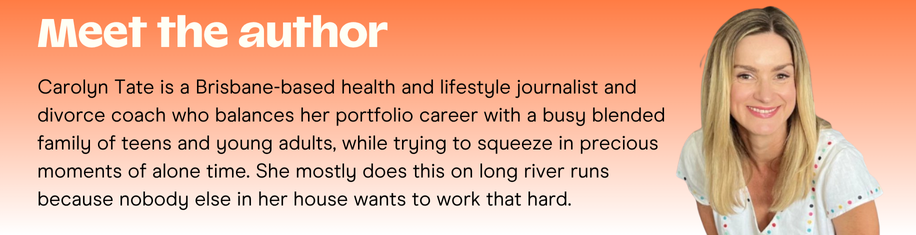
By Carolyn Tate
We often hear about how divorce impacts young children, but what about when the children are grown adults – with careers, families, and lives of their own? What happens when the marriage they’ve looked to their whole lives turns out to be not what they thought?
Divorce rates in Australia are actually at a 50-year low, with one exception: the over 60s. ‘Grey divorce’ is on the rise, and couples married for 20 years or more now account for more than one quarter of all divorces.
We’re living longer and healthier lives than we have at any other time in history, and many people in their 50s and 60s find themselves looking ahead at two, three or four more decades of life, and thinking, “Does this make me happy or could there be more?”.
But while you may be contemplating your own fresh start, your adult children could be grappling with some unexpected emotions.
Clinical psychologist Dr Katie Kjelsaas, says the reaction that surprises parents most is how deeply their adult children feel the news. "Many parents assume that once their children are grown, the marriage becomes 'background’,” she says. “But for most adult children, the parental relationship is still a core organising structure – emotionally, relationally, and even spiritually."
Questioning their sense of identity
Sarah* was 32 and six months away from her own wedding when her parents announced they were separating after 36 years of marriage. "I thought I'd be fine with it – I haven’t lived at home for nearly 15 years, and I have my own stuff going on," she says. "But I found myself crying in the supermarket, and I froze when it came to choosing a photography package because Mum and Dad wouldn't be standing together in the photos. I also found myself wondering how I could be so sure my now husband was right for me."
Sarah says she also found herself furious with her father, convinced he'd given up too easily on the marriage. "Looking back, I don't think that was fair, but at the time I felt incredibly protective of my mum."
Sarah's experience reflects what Dr Kjelsaas sees in her practice – a deeper questioning that goes beyond the immediate grief and anger. "Adult children often say, 'If my parents' marriage wasn't what I thought it was, what else in my life isn't what I thought?'" she says.
Then there's fear about the future and how the family will be affected – worries about holidays, family gatherings, grandchildren, legacy and loyalty. "Parents usually expect mature understanding,” says Dr Kjelsaas. “Instead, they often meet a very young, tender part of their child that still needs the family to feel safe and secure."
Old patterns resurface
When Kim* told her three children – all in their 40s – that she and their father were separating, she was surprised by how quickly old patterns emerged. "My eldest immediately went into fix-it mode, suggesting mediation and asking if we'd tried counselling," she says. "My middle child became the go-between, constantly updating me on how his dad was coping. And my youngest just went quiet – she wouldn't talk about it at all."
Kim also noticed her middle child had started mothering her – checking if she was eating properly and offering to help with bills. "I appreciated the care, but it was unsettling – it felt like our roles had reversed."
Dr Kjelsaas sees this regularly in her practice. "Old roles reassert themselves. The 'fixer,' the 'mediator,' the 'loyal soldier,' the 'placater' – these childhood positions can snap back into place."
Triangulation becomes more sophisticated too. Instead of a child being pulled overtly into conflict, it may show up as subtle emotional caretaking – confidences, comparisons or updates about the other parent.
What surprised Kim most was how differently her children responded to the same news. "I thought they'd all rally together and we’d be the bad guys, but instead it created tension between them,” she says. “The eldest was angry that the youngest wasn't 'helping', and the middle one was exhausted from trying to keep everyone happy."
Siblings can handle the news in very different ways, says Dr Kjelsaas, which can be a surprise for their parents. "Adult siblings often respond very differently, and that mismatch can create a second layer of tension. Parents are often shocked that the kids aren't on the same page."

Some adult children also feel like they should take on a parenting role emotionally, especially if one parent seems fragile, isolated, or blindsided by the separation. "What surprises parents is that these patterns aren't about blame – they're about attachment. When the family system shifts, everyone tries to find their footing."
Questions they want answered
Dr Kjelsaas says there are questions adult children often have, even if they don’t voice them directly. She says they're often wondering:
● Was our family real, or was it all an act?
● How long has this been going on?
● Why now?
● Am I allowed to love you both?
● What will future family life look like?
"They're rarely looking for detail, but rather reassurance that the bonds they value still exist, even if the family structure has changed," she says.
How to handle separation sensitively
So what makes the biggest difference for adult children when their parents divorce? Dr Kjelsaas says sharing the news together, if it's emotionally safe to do so, is powerful.
"A united front communicates that the children don't need to manage the parents' dynamics," she says.
Dr Kjelsaas suggests giving a clear, simple, non-blaming explanation – just enough to orient them without weighing them down. Answer questions honestly, while also setting boundaries about what won't be discussed, such as legal details or intimate relationship matters. Although they’re adults, that doesn’t mean your children have to know everything.
Reassure them about practical changes, advises Dr Kjelsaas, including holidays, housing, financial impacts, and grandparenting roles, and continue to show up for key milestones without conflict.
It’s also helpful to check in over time. "Adult children often process this slowly, while juggling the complexity of their own lives,” says Dr Kjelsaas. “Their first reaction is rarely the final one."
The way forward
Three things make a significant difference in helping families heal, says Dr Kjelsaas.
First, stay emotionally available. "Parents don't have to provide every detail, but they do need to take responsibility for their part and avoid rewriting history or assigning blame. Adult children feel safer when they see both parents owning their emotions."
Second, protect your adult children from your conflict. "This means no venting, no recruiting the child to your side, no sharing information the child can't un-hear. Even one or two boundary-crossing conversations can have long-term impact."
Third, create predictability. "Have a clear plan for how holidays, family gatherings, and future milestones will be navigated – including estate planning. Ambiguity fuels anxiety, clarity reduces it."
To help your children through, Dr Kjelsaas recommends one-on-one conversations where the focus is on understanding how the divorce has impacted your child, not explaining your side. "Adult children – just like younger ones – need their reality validated before they can take in any additional information."
Some parents offer to attend a therapy session with an individual child who is struggling with the news, to help them process their emotions with professional support. "This can be a beautiful way to show care and concern for the impact this decision has on adult children."
Although it can be a lot to process, Dr Kjelsaas says it is possible to get through in a healthy way. "Adult children don't need perfection; they need presence and clarity," she says. "If both parents can remain accessible, responsive, and engaged – without pulling the children into their grief or conflict – families can adapt surprisingly well."
*Names have been changed to protect privacy.
Feature image: iStock/TatyanaGl
Tell us in the comments: Any real-life tips for supporting adult children through?
You might also like: