
Health
Unusual heart attack symptoms women should know about
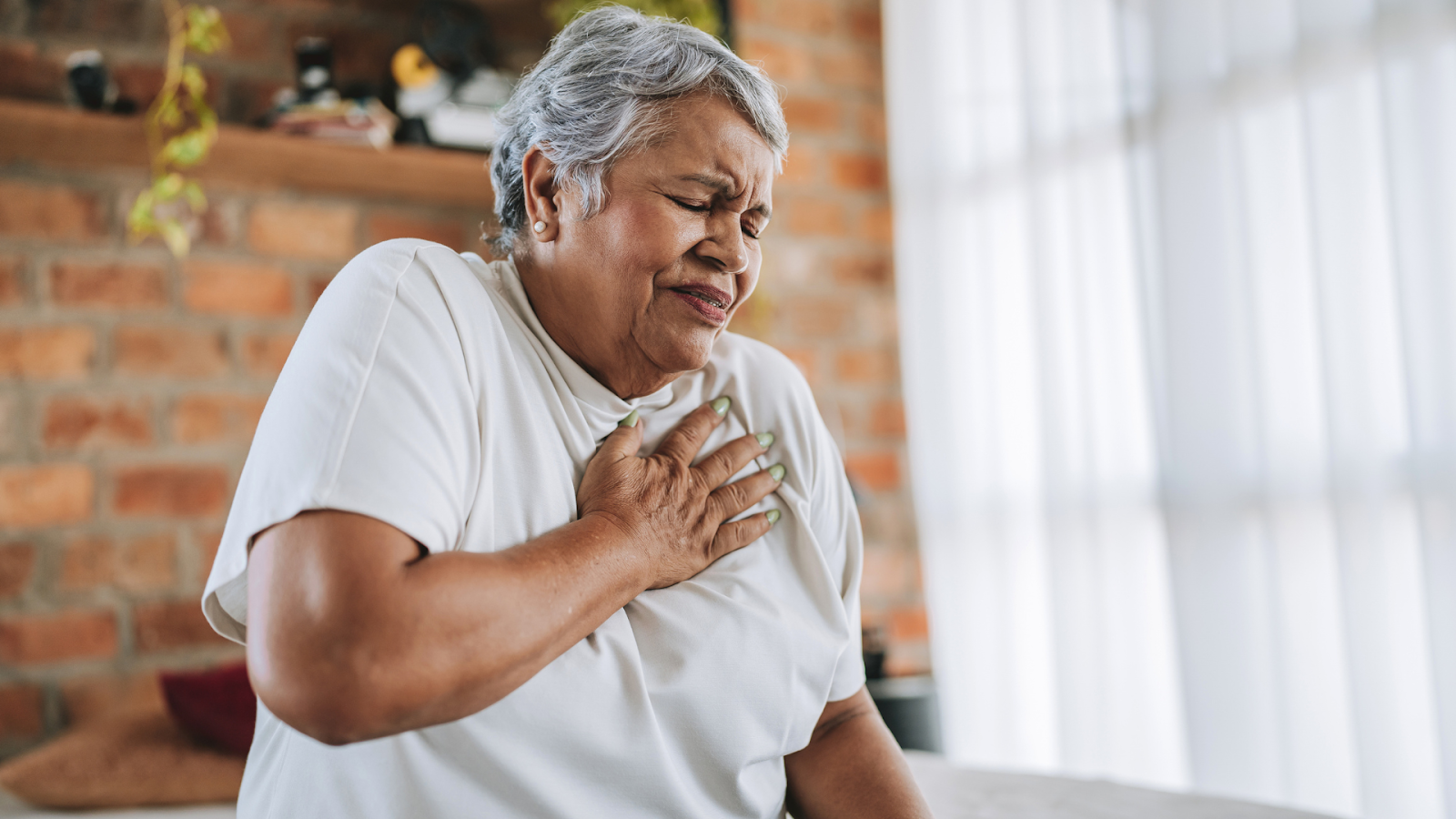
Heart attack symptoms in women can be different and dangerously easy to dismiss. Knowing the warning signs could save your life.
By Sabrina Rogers
Nearly 20,000 women have a heart attack in Australia every year and they’re twice as likely as men to die from it. Yet heart attacks are still widely perceived as a man’s condition.
That’s because there are critical gaps in how heart attacks are diagnosed and treated in women, according to a 2026 statement released by the American Heart Association (AHA) and led by Australian cardiologist Professor Jason Kovacic.
“Too many women are missing out on timely diagnosis and treatment for heart attacks because the system isn’t designed to properly recognise these patients,” said Professor Kovacic, Director and CEO of the Victor Chang Cardiac Research Institute. “We need urgent action to close these gaps.”
Researchers estimate that correcting this inequity could prevent up to 20% of heart attack deaths in women. But until then, learning to recognise the early signs and symptoms can help women get timely care and improve their outcomes.
What are the symptoms of heart attack in women?
Only 1 in 3 women experience “typical” heart attack symptoms, including:
- Pain in the centre of the chest, often described as “crushing”
- Neck, jaw or back pain
- Nausea
- Heartburn or indigestion
- Cold sweats
- Lightheadedness or dizziness
- Fatigue
Many women have less common symptoms, such as:
- Pressure or tightness in the chest
- Pressure or pain in the upper back, shoulder or abdomen
- Pain in one or both arms
- Shortness of breath (with or without chest discomfort)
- Fainting
- Vomiting
- Heart palpitations
- Extreme fatigue
Why are heart attacks often missed in women?
Not only can women’s heart attack symptoms be mistaken for conditions such as indigestion or anxiety, but in some cases the underlying cause of the heart attack is different too.
“We traditionally think of a heart attack as being caused by a blocked artery - usually due to a build-up of fatty plaque - that reduces blood flow to the heart,” says Kavitha Muthiah, cardiologist and conjoint Associate Professor at the University of New South Wales and Clinical Faculty at Victor Chang Cardiac Research Institute.
“But there’s another type of heart attack that’s caused by something called spontaneous coronary artery dissection, or SCAD. It's not due to a blockage, but rather to a tear in a blood vessel in the heart. It’s most common in women in their 40s and 50s, but it can happen to anyone at any age and is known to happen to young women too.
“Some people may be born with a higher risk of SCAD, but there’s still a lot we don’t fully understand about why it happens. Because it doesn’t always look or feel like a typical heart attack, it can sometimes be missed or diagnosed later than it should be.
“We know some people have a genetic predisposition to SCAD, but there’s a lot we still don’t understand about it. And because it doesn’t always fit the classic picture of a heart attack, it can sometimes be missed.”
Similarly, myocardial infarction with non-obstructive coronary arteries (MINOCA) is a heart attack that happens without a major blockage in the main heart arteries. It’s more common in women and is often overlooked.
“If you have unexplained fatigue, profound sweating, abdominal pain, pain in the shoulder blade or jaw, or if something just doesn't feel right, don’t ignore it and seek medical attention right away,” advises Assoc Prof Muthiah.

What are the risk factors for heart attack in women?
Several risk factors increase the chance of having a heart attack in both men and women. These include:
- High blood pressure, high cholesterol and diabetes
- Smoking and excess alcohol
- Overweight or obesity
- Poor diet and physical inactivity
- Increasing age
- A family history of heart disease
- Being of Aboriginal, Torres Strait Islander, Maori, Pacific Islander, South Asian and Middle Eastern descent
But there are extra risk factors specific to women, including:
- Reproductive factors, such as an early or late first period or early menopause
- Pregnancy complications, including preeclampsia and gestational diabetes
- Polycystic ovary syndrome (PCOS)
- Autoimmune diseases, such as lupus and rheumatoid arthritis
- Certain hormone treatments, including combined oral contraceptives in women over 35 and MHT in postmenopausal women over 60
- Some cancer treatments, including chemotherapy and radiotherapy for breast cancer
“When women hit menopause and their oestrogen levels drop, the risk of heart attack becomes higher because oestrogen relaxes the blood vessels,” says Assoc Prof Muthiah. “Women can also gain weight after menopause and excess weight is another known risk factor for heart disease.”
The quick heart health check that could extend your life
How to keep your heart healthy
There’s a lot you can do to reduce your risk of heart attack, including:
- Quitting smoking
- Losing weight
- Eating a healthy diet
- Reducing your alcohol intake
- Exercising regularly
- Reducing stress
Find out more about making heart-healthy lifestyle changes here.
If you’re a woman 45 and over (or 30 and over for Aboriginal and/or Torres Strait Islander women), or you have several risk factors for heart disease at any age, talk to your GP about your risk of heart attack and stroke and ask for a Heart Health Check.
What to do if you think someone is having a heart attack
If you suspect you or someone else is having a heart attack, follow these steps:
1. Call 000
“The sooner you seek medical attention, the better the outcome,” says Assoc Prof Muthiah. “So, if you have any symptoms that suggest a heart attack, don’t sit on it. Call an ambulance without delay.”
2. Chew aspirin
Taking 300mg of aspirin can help reduce blood clotting and damage to the heart during a heart attack. Chewing it will make it enter the bloodstream faster. Don’t take aspirin if you’re allergic to it.
3. Take prescribed medication
If your doctor has prescribed you medication for angina (chest pain caused by reduced blood flow to the heart), take it.
4. Start CPR
If someone else has had a heart attack and they’re unconscious or not breathing, begin CPR.
5. Use a defibrillator
If an automated external defibrillator (AED) is available, follow the device instructions until the ambulance arrives.
Know the signs and take action
Women’s heart attacks don’t always follow the textbook. Knowing the signs, trusting your instincts and seeking help without delay could be lifesaving.
The information on this page is general information and should not be used to diagnose or treat a health problem or disease. Do not use the information found on this page as a substitute for professional health care advice. Any information you find on this page or on external sites which are linked to on this page should be verified with your professional health care provider.
Feature image: iStock/andreswd
Tell us in the comments: Did you know that symptoms can be different for women?
More on women’s health: