
Lifestyle
Jennifer hid her depression for years
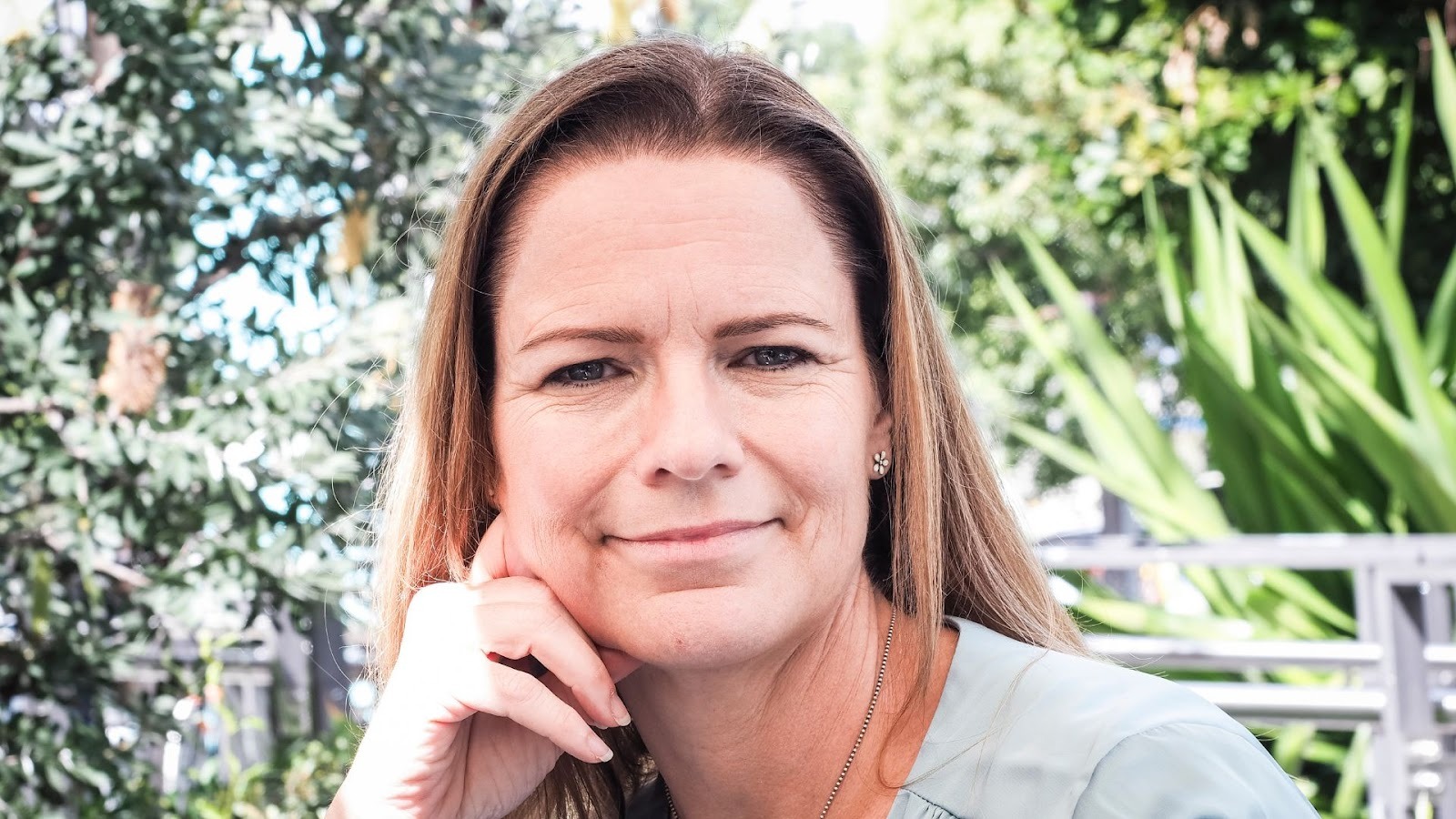
Jennifer Cains, 53, hid her depression for years out of fear of judgment, but confronting it transformed her life entirely.
As told to Elli Jacobs
Before depression entered my life, I was the classic high achiever - a people leader in corporate tech, managing a big team and juggling a blended family of three children.
Life was full, busy, and constantly in motion. I truly believed I was living that glossy modern promise - you can have it all: career, family, and a social life held together by sheer determination. I was ambitious, driven, and deeply invested in being both successful and a good mum.
How the cracks began to form
Looking back, I can see the cracks beginning to form in 2016. At the time, though, I didn’t recognise them for what they were. Work was incredibly stressful - I had to make people redundant, which was rare back then. At home, there were tensions too, and everything felt heavy. I simply assumed life was throwing me a rough patch and that I just needed to “push through.”
It wasn’t until I found myself sitting in a psychiatrist’s office that things began to shift. Ironically, I wasn’t even there for myself. I was accompanying a friend. But as I described how I’d been supporting my friend, the psychiatrist gently turned to me and said, “I think you’re experiencing depression.”
Read How to recognise depression and anxiety in midlife
I remember feeling almost offended. I thought, No, no, that’s not me. I’m just having a hard time. I prided myself on being strong - the kind of person who could handle anything. So, to accept that I might be depressed felt like admitting weakness. It didn’t fit the identity I’d spent years constructing.
Determined to prove him wrong, I began devouring everything I could find about depression. Back then, the leading theories split it into two camps - depression triggered by external life events, and depression rooted in genetics or biology. I was convinced that mine, if it existed at all, was purely situational.
But my perspective shifted during a quiet moment with my mum. We were out walking, talking through the chaos of my life, when she gently said, “I agree with the doctor.” Something in her calm acceptance pierced the wall of denial I’d built and gave me permission to begin accepting it too. For the first time, I could admit to myself that I wasn’t perfect and that was okay.
In the weeks that followed, I learned through conversation that depression did, in fact, run in my family - a truth I hadn’t known before. That realisation softened my defensiveness, but only slightly. I still wasn’t ready to face it head-on.
Exploring my mental health
At first, I channelled my curiosity into something that felt safe: learning. I signed up for a Mental Health First Aid training course, telling myself it was just professional development, a way to better support others at work. In truth, it was my way of learning about myself without having to admit I was doing so.
Read 6 myths about mental health when you're over 50
That course changed me. It opened my eyes to how common mental illness really is, and how much our wellbeing depends on simple protective factors - connection, rest, support - all things I’d been neglecting.

It helped me release some of the shame and see depression not as a personal failure, but as a complex interplay of biology, stress, and circumstance.
One of the biggest revelations from that training was realising that mental illness can be just as impairing as physical illness. When I finally let that sink in, that depression could be as debilitating as chronic pain or cancer, something shifted. I could finally say to myself, You’re unwell, and that’s okay. You need help, and that’s human. That moment marked the beginning of true recovery.
I found my own psychiatrist and psychologist, both of whom guided me through understanding and managing my depression. Medication helped. So did yoga - just lying on the mat, breathing, letting the busyness fade. That quiet space became a refuge. It taught me that slowing down isn’t indulgent, it’s essential.
Read how hobbies can improve your mental health
Time helped, too. As life’s external pressures eased, my inner world began to recalibrate. I came to understand healing as something holistic - not just medication and therapy, but the everyday scaffolding that holds you together: sleep, nourishment, movement, yoga, water, time in nature. These small, steady things became my anchors.
When I look back, my first episode of depression wasn’t the “can’t get out of bed” kind that people often imagine. It was far more insidious. A deep, unshakable sense of dread, a quiet hopelessness whispering that things would never get better.
During my second episode, it was my psychiatrist who recognised it before I did. She noticed the exhaustion I was carrying and gently helped me see that depression doesn’t always wear the same face twice. My body ached - my joints, my muscles, even my back gave way one day. Only later did I learn that those physical pains were part of the same story.
Depression, as it turns out, can speak through the body just as powerfully as through the mind. My symptoms didn’t fit the common definition, but they were still real and they were valid.
Learning to unmask at home
Coming to terms with my depression also meant learning to stop pretending I was fine. At work or in social settings, I could still put on a brave face. But at home, I didn’t have that luxury, my symptoms were too visible. My husband and kids saw it; I couldn’t hide it from them. Over time, I began to share more - first with family, then close friends, and only much later with colleagues, when it felt contextually relevant.
I remember telling one of my close friends about my diagnosis, and it helped her make sense of some of my behaviour at the time. Within my family, I asked mostly for space and understanding - less pressure, fewer expectations. Delegating tasks came later. In the beginning, the most healing thing I could do was simply stop. Stop over-functioning. Stop doing things that weren’t necessary.
Eventually, I came to understand that depression wasn’t weakness, it was a call to live differently, with gentleness and honesty. It taught me the cost of hiding pain and the freedom that comes with seeking help.
Learning to unmask at work
Every morning, I’d pull myself together, go to work, and perform with competence. I blamed the headaches and exhaustion on “just a stressful week,” too afraid to admit what was really happening. I worried that if anyone knew, my hard-won reputation as a reliable, capable leader would crumble. The stigma around mental illness still runs deep - the fear of being seen as unpredictable or weak. So, I stayed silent at work for a long time.
But that course changed me. I realised I wasn’t just managing my own mental health - I was leading a team, too. The weight of responsibility never really switched off. Then I came across a statistic: one in five adult Australians experience a diagnosable mental illness each year. It stopped me in my tracks. That’s one in five of my team, one in five of my colleagues. Suddenly, this wasn’t just about me anymore.
That awareness taught me compassion - to see that everyone carries invisible burdens, and that mental illness isn’t weakness but a human response to life’s pressures. Above all, I learned it’s okay to not be okay.
As I became more attuned to others, I noticed when colleagues were struggling and began having quiet, honest conversations, drawing from my own experience. I joined our workplace mental health group to help raise awareness and reduce stigma. Through that, I found purpose - advocating for better support systems and empowering people to prioritise their wellbeing without fear.
When I eventually spoke openly about my own journey, it was during COVID, a time when mental health finally entered everyday conversation. That collective anxiety made honesty easier, and by then, I was well enough to say, “I’ve been there, and It’s ok.”
A new kind of strength
Even now, I sometimes catch myself saying, “I’m fine,” when I’m not. There’s still that instinct to hold it together, especially as a mother and someone who keeps the household and work life running. But I’m better at catching myself - at saying, “Actually, I’m not okay today,” before things spiral.
There’s also a balance between sharing and protecting your own healing. In the early days, I couldn’t even say the word depression out loud. I wasn’t ready. It took time and learning.
Becoming a trainer in Mental Health First Aid and later joining the board of Wayahead Mental Health Association, a community-based mental health organisation gave me a language for it. Knowledge became my bridge to acceptance. The more I learned, the more I could talk about it without shame. It helped me see how deeply kindness matters. The more we normalise these conversations, the more space we create for healing - both ours and others.
What I’ve learned most through this journey is that perfectionism is a dangerous illusion. My mind used to be a factory of “shoulds” - should achieve more, should handle everything, should be fine. Now, I know that the most courageous thing I can do is recognise my limits. To say, enough.
Self-compassion changed everything. It softened the edges of my ambition and helped me build a life that feels sustainable, not one that constantly needs saving.
Feature image: courtesy of Jennifer Cains
Articles we think you’ll love: