
Travel
Beyond Tokyo: cruise your way through these Japanese subtropical islands
.jpg)
If snorkelling, jungles and hiking sound more your speed than bustling capital cities, subtropical island hopping is calling your name.
By Alana House
Japan probably isn’t the first destination that comes to mind when planning a beach holiday, especially when we’re so spoiled for choice here in Australia. However, if you appreciate a stunning subtropical beach, Japan still belongs on your travel list.
While Australian travellers are flocking to Japan in unprecedented numbers, most are heading to attractions such as bustling Tokyo, Hokkaido’s ski resorts and vibrant temples in cities such as Kyoto, especially if it’s their first time in Japan.
However, Japan is also home to 14,000 subtropical islands in the Okinawan and Yaeyaman archipelagos. Many of the islands boast stunning beaches, vibrant coral, colourful fish, beautiful forests and unique cultural attractions.
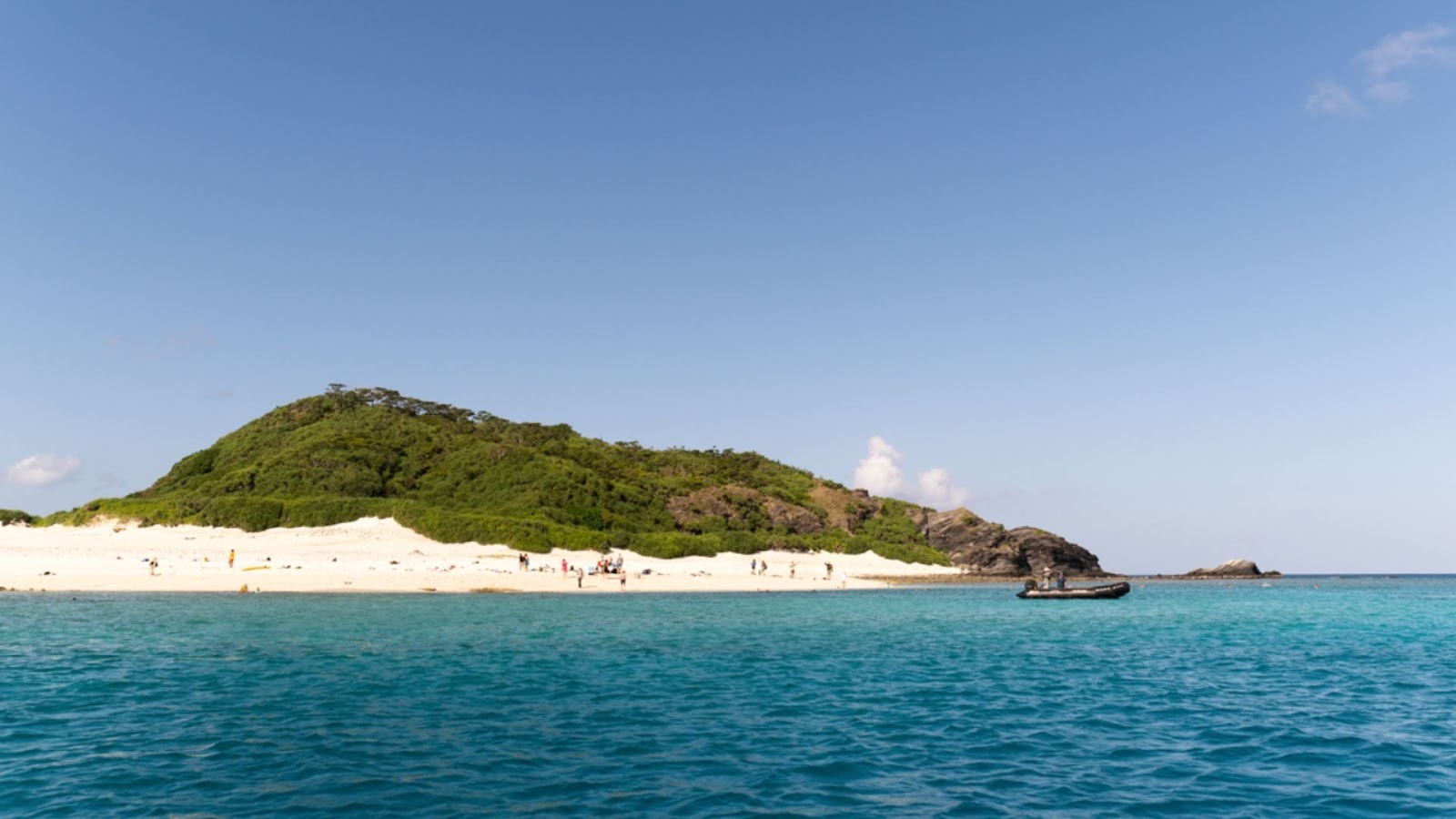
Visit the islands the easy way
The tricky part is getting to them - the islands stretch over 1000 kilometres from Kyushu to Taiwan, and many are difficult to visit due to infrequent flights and ferries.
Eager to enjoy a hassle-free escape in this remote part of the world, we decided to book a luxury expedition cruise aboard Ponant’s Le Soleal.
Le Soleal accommodates around 200 passengers and features 11 zodiac boats to transport its guests to deserted beaches and jungles.
Expedition leader Ryo Ijichi spent many years with Ponant in Antarctica before deciding to create a series of unique itineraries based in his homeland. After hearing him speak at a Ponant information night last year, we signed up for a seven-day adventure.
Love a holiday but the planning not so much? Check out Citro’s Japan guide for some itinerary inspo.
Choose an expedition that can visit the smaller islands
While Ponant’s expeditions are pricier than itineraries on larger vessels, its ships are more agile and able to visit islands off limits to other cruise lines. Fares are also all-inclusive – everything from shore excursions with the trained expedition leaders to meals and alcoholic beverages are included, which makes for a very relaxing holiday.
Love an all-inclusive holiday? Try cruising
We boarded Le Soleal in Fukuoka and settled onto our balcony with a glass of Champagne to watch a local brass band serenade us on the dock before we cruised out to sea at sunset.
The ship arrived the next morning at Yakushima, a mountainous island listed by UNESCO as a World Heritage site. Its forests contain some of Japan’s oldest trees, with some up to 7000 years old.
Hiking through Yakushima
We were fortunate to have the opportunity to go hiking in this incredibly beautiful part of the world, wandering through the forest and traversing beautiful streams and waterfalls. We were also excited to spot wild Yakushima monkeys, a type of macaque with curious, ruddy faces.
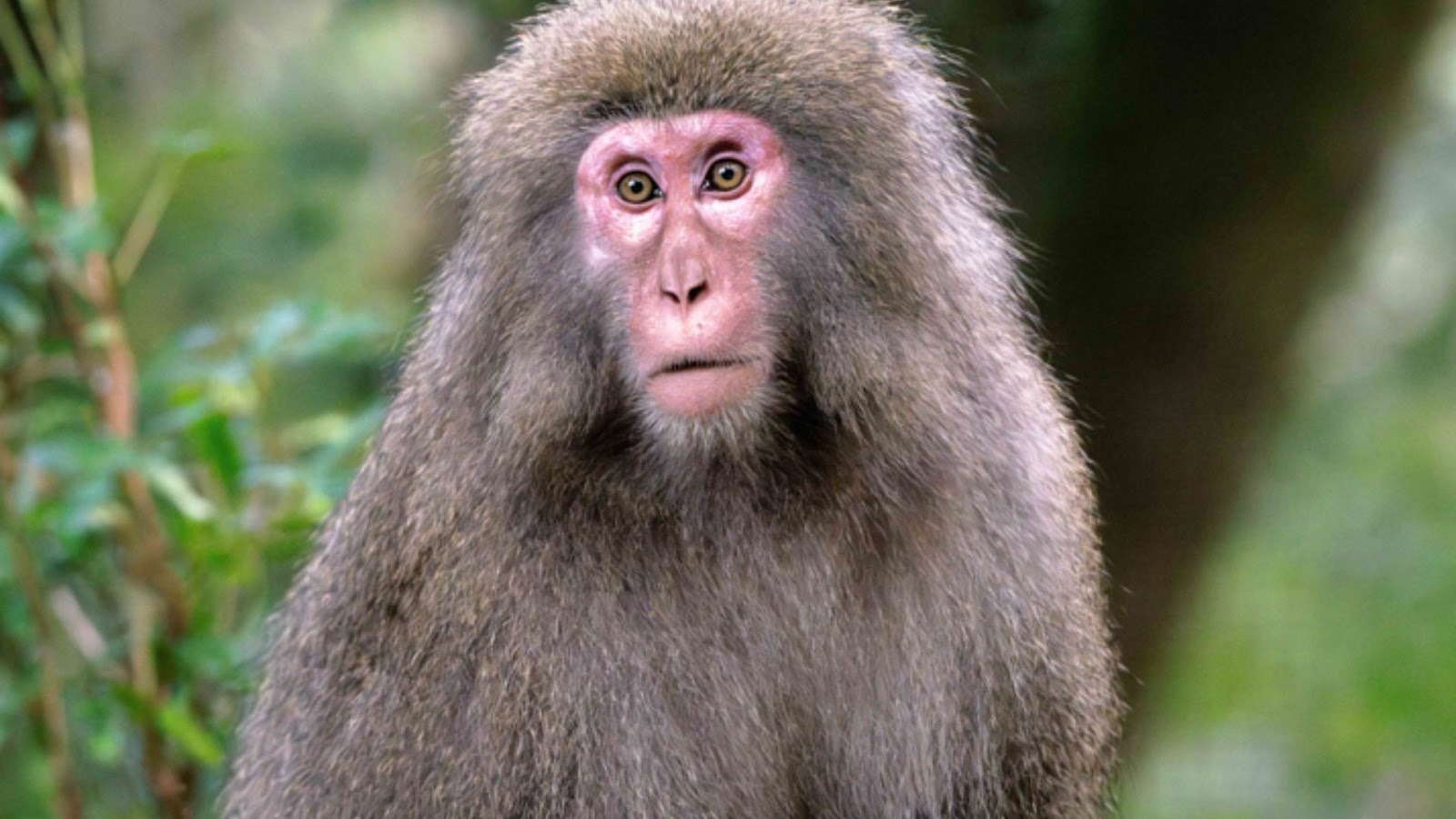
Want to see the wild monkeys in Japan?
Snorkelling delights in Amamioshima
Le Soleal arrived the next afternoon at Amamioshima following a seafood buffet lunch on deck. We initially planned to go kayaking in the island’s famed mangrove swamps, but changed our minds at the last minute and chose to go snorkelling instead.
Who knew there were anemones filled with clownfish in Japan? Not us! The water was crystal clear and we were thrilled to see lots of colourful coral, including bright blue bommies and dramatic staghorns.
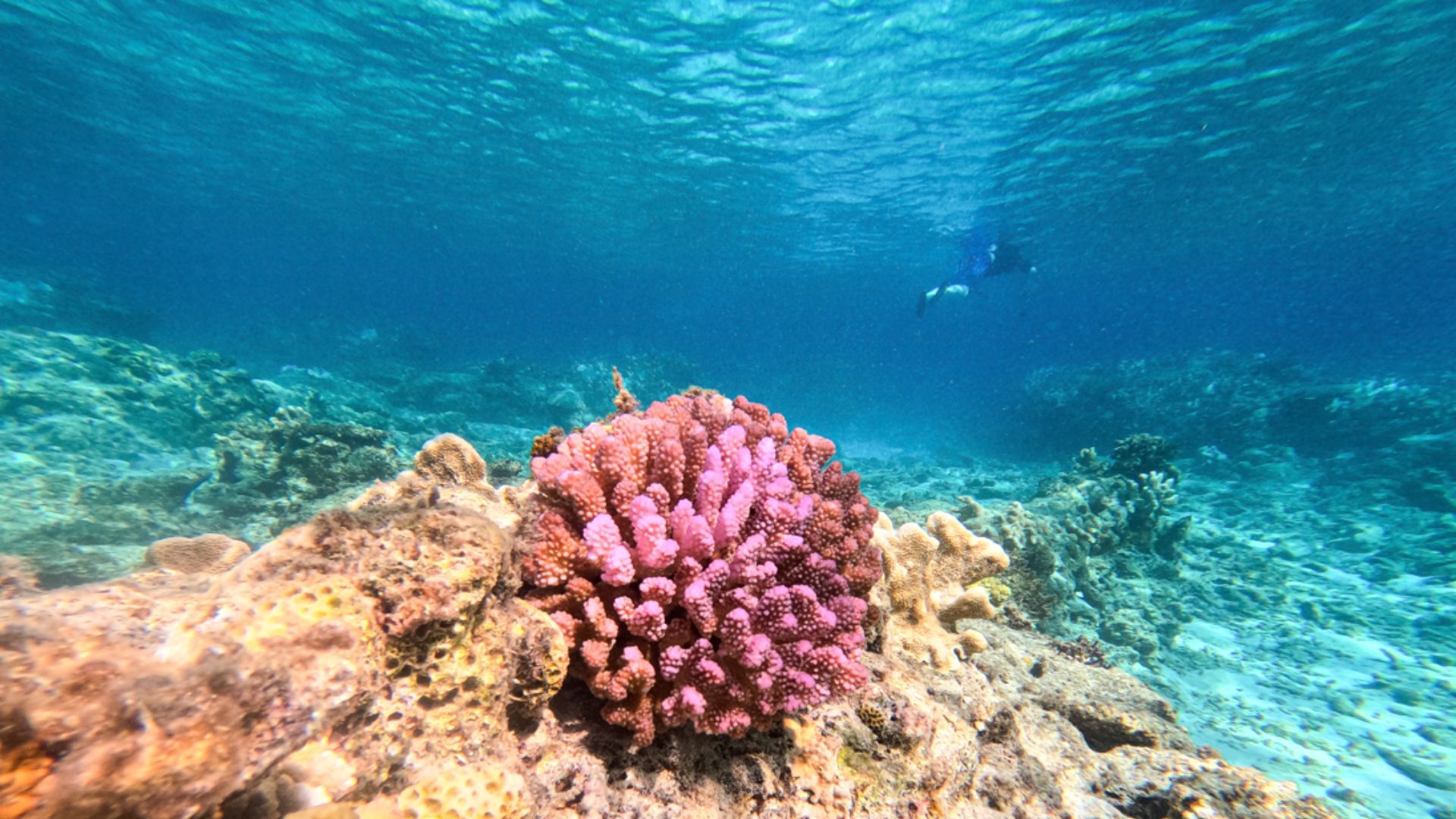
Afterwards we discovered a fantastic coffee shop called Little Bay in the island’s sleepy capital, where we enjoyed delicious iced coffees.
The town put on a memorable show at the dock for our departure, filled with dancing, singing and traditional instruments, with the mayor even giving a speech to thank us for visiting.
.jpg)
Ever seen “Kermama Blue” water?
We were up at dawn the next morning to watch the sun rise as we cruised towards Zamami, a lush paradise filled with stunning white sand beaches, including one that boasts a Michelin star.
The island is famed for the colour of the sea surrounding it, which is a vivid shade that has been dubbed “Kerama Blue”. The water is exceptionally clear due to a current that keeps plankton levels low and the fact there are no rivers to carry sediments into the sea.
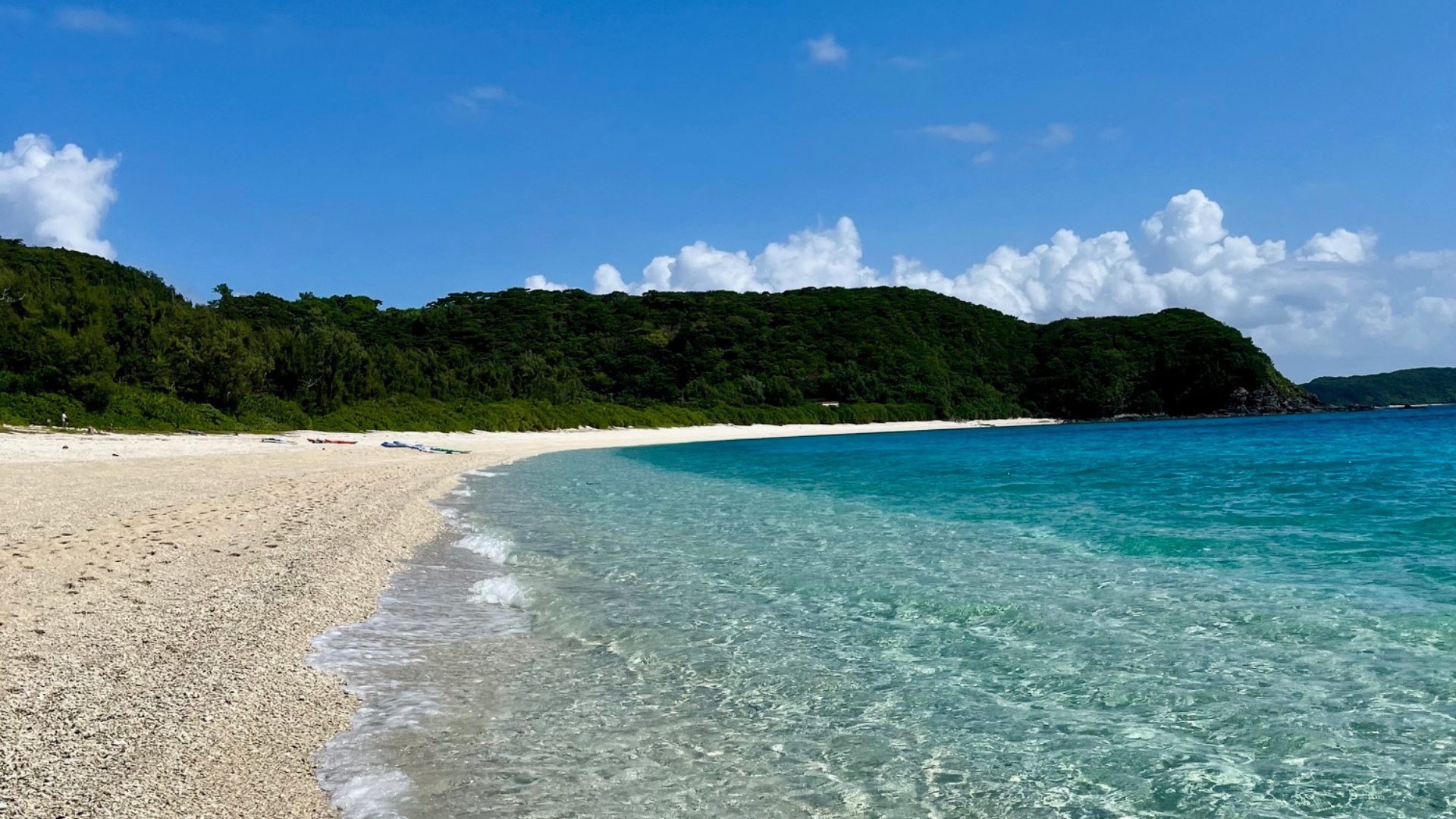
Snorkelling, sea snakes and coral - oh my!
Our first stop was a tiny island called Gahi, where we snorkelled straight off the beach. We had a fantastic time exploring the coral until my partner and a sea snake startled each other and we decided to retreat to the shore!
We climbed aboard a zodiac and headed to the mainland to check out the Michelin-starred Furuzamami Beach, which was a stunning spot for a dip.
At sunset the ship wended its way through the picturesque islands surrounding Zamami, bound for our next port of call, Taketomi.
Taketomi is home to a preserved Okinawan village featuring houses with red tiles and fences made from coral. Hibiscus and bougainvillea tumble over the walls and many homes are guarded by shisa statues, a mythological guardian lion.
We hired bicycles and pedalled through the quaint streets, which are made from white coral sand. We passed numerous oxen pulling wagons, the traditional form of transport on the island.
Iriomote – the jungle island
Our next stop was Iriomote, dubbed “the jungle island”. Iriomote is so densely carpeted with mangrove forest that it looks prehistoric. While there were options of jungle cruises or kayaking expeditions, our coral addiction saw us sign up for another snorkelling session.
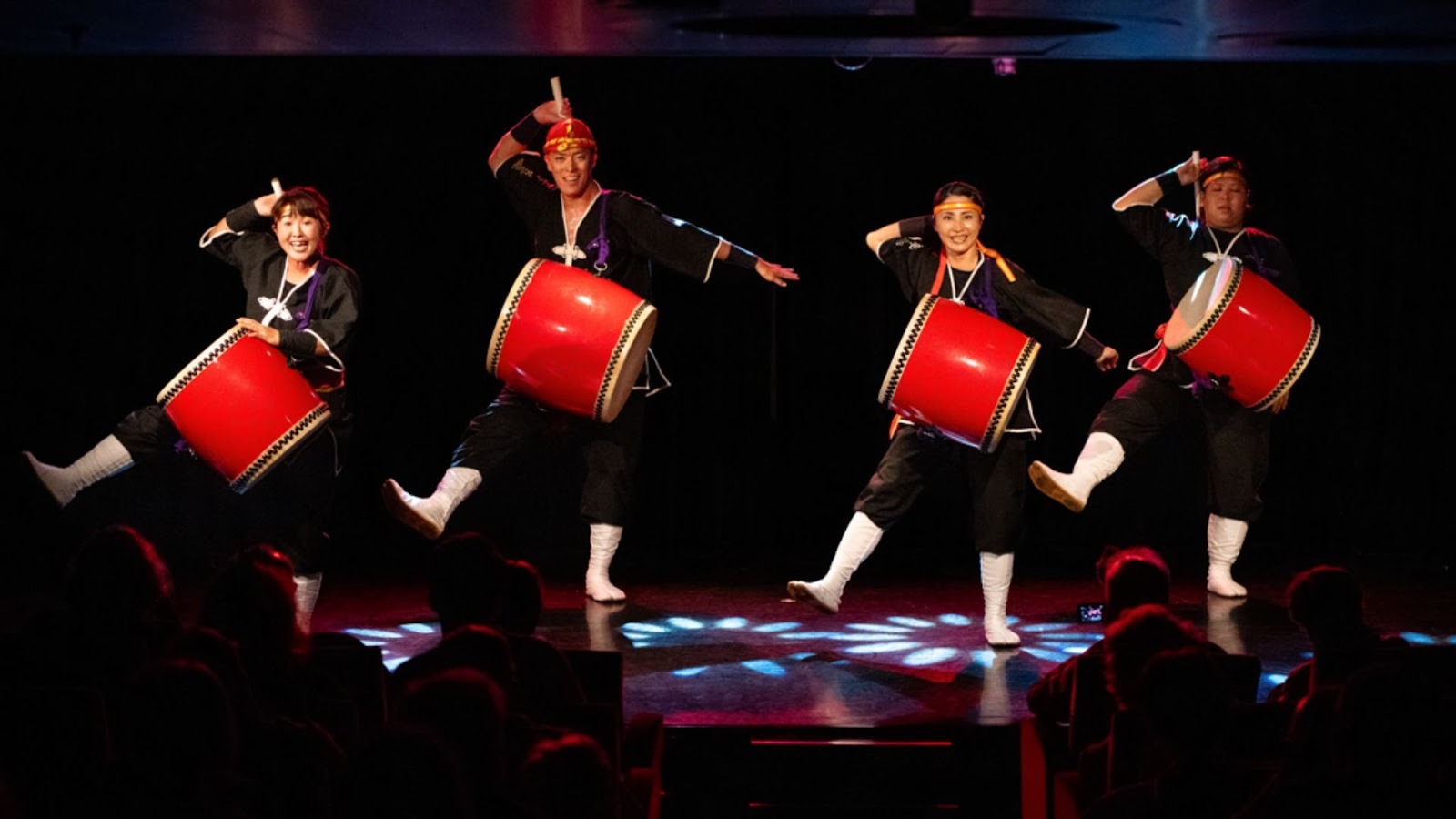
The second last stop on our cruise itinerary was the island of Ishigaki. We enjoyed exploring the bustling shopping district surrounding the port, which had a Japan-meets-Hawaii vibe. However, the highlight was a local drumming troupe that came aboard the ship in traditional costume for a rousing performance.
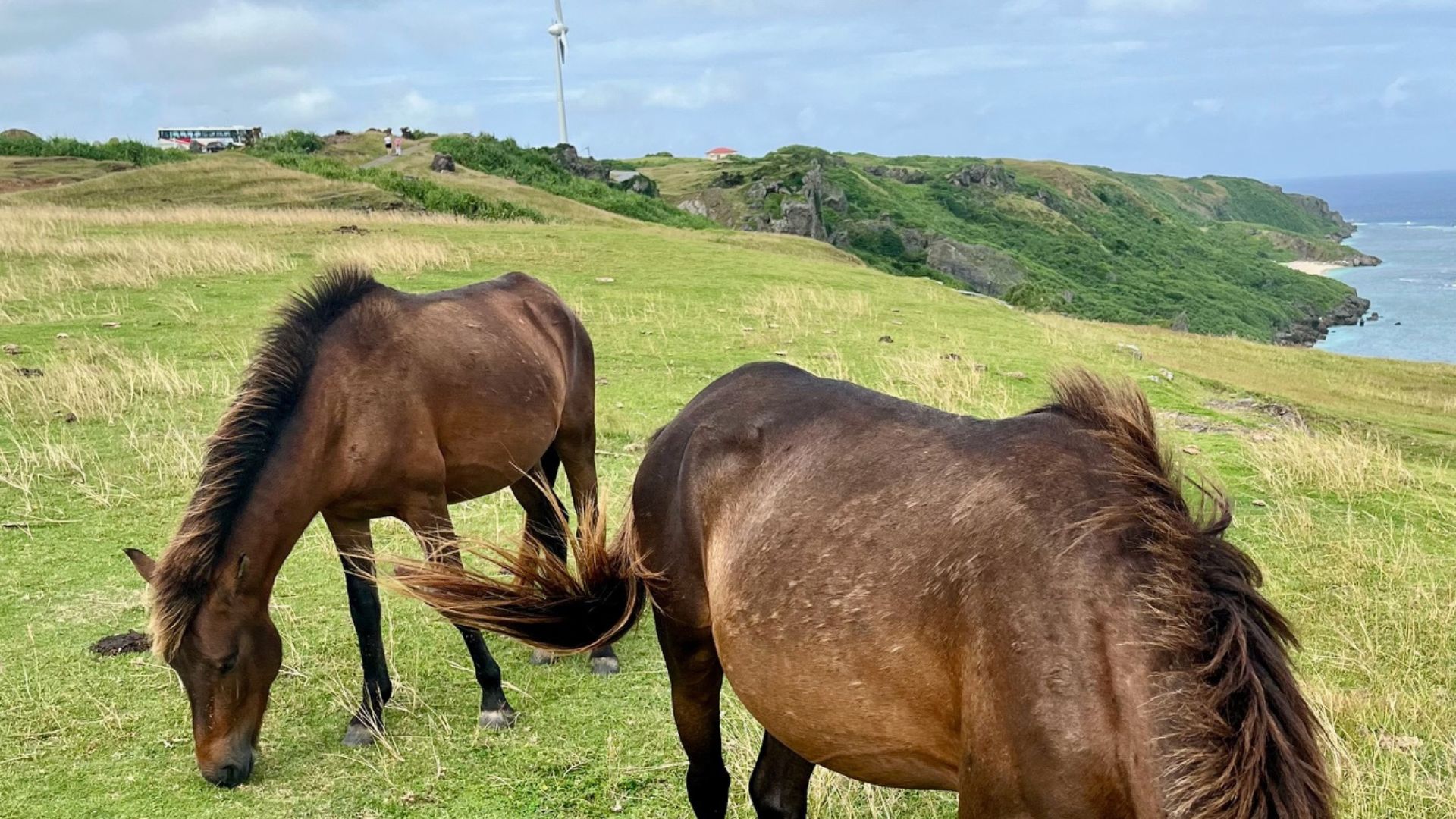
Tiny horses in Yonaguni
Our final port was Yonaguni, the westernmost inhabited island of Japan, which is home to the tiny Yonaguni horse, a rare native breed.
The island is also a drawcard for divers, who are fascinated by a mysterious 100-meter-long stretch of topography that resembles steps and columns called the Yonaguni Monument. Debate still rages as to whether it is a man-made relic of a lost civilization or a natural occurrence.
After a tour of the island, we settled on plastic chairs beside a food truck at the port and enjoyed a delicious lunch of miso ramen and gyozas.
All too soon it was the last night of our cruise and time for our last cocktail of the day ahead of the ship docking in Keelung, Taiwan.
We loved our fascinating week in the Japanese subtropical region and felt incredibly lucky to have the opportunity to visit so many diverse islands. We hope to return one day to explore more of this fascinating part of the world and immerse ourselves in the warm hospitality on land and remarkable sea life underwater.
Feature image: courtesy of Alana House
Articles we think you’ll like: