
Lifestyle
Jane built a whole new career at 52
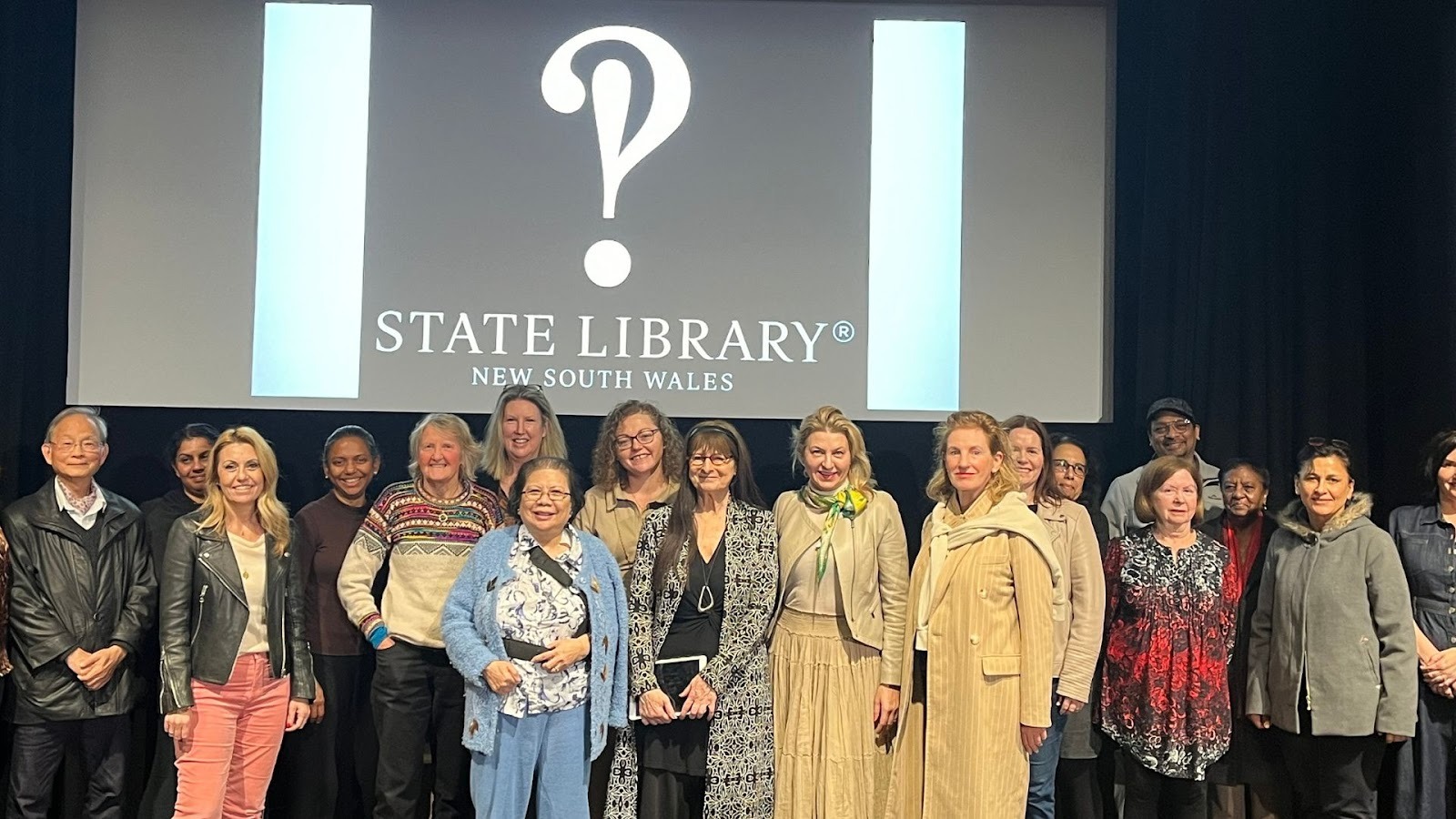
After being made redundant at 52 and rejected from every job she applied for, Jane Turner, now 63, thought she was a failure. That is, until she finished her book and launched an international speaking career.
As told to Elli Jacobs
At 52, my world fell apart when I was told my long-held senior management role at the Powerhouse Museum was being cut. I’d spent my entire career in public service, starting in Canberra at the tax department, moving through various government roles, before eventually relocating to Sydney.
For 15 years, the Powerhouse Museum was more than just my workplace - it was like family. We celebrated each other’s milestones, from babies to birthdays, and it offered the warmth and stability I’d come to rely on. The job paid well, and I never imagined that sense of security could end.
Redundancy was a shock. They told me I was respected and had done a great job, but budget cuts meant two roles were being merged, and I wasn’t the stronger candidate. I remember sitting there, stunned, trying to make sense of it all. It felt like losing a part of myself. It broke my heart.
Read: A late-life career change could be exactly what you need
Walking out that day, it felt as though the ground had vanished beneath me. My self-esteem plummeted. At night, I’d lie awake, imposter syndrome crept in, my mind looping through fears that everyone thought I’d failed.
But before too long, I gave myself a pep talk. Come on, I thought, stop being such a big sook. You’ve got to get back out there and start applying for jobs.
So that’s what I did. I applied for more than 30 jobs in just eight months. Some employers never replied, and the three that did, told me I was ‘overqualified’ during the interviews. I suspect that’s what people say when they don’t want to admit you’re too old for what they’re after. Either way, I wasn’t getting anywhere. Each rejection cut deeper, and my confidence sank lower and lower.
Keep getting told that you’re “too experienced”? Start here
Turning a setback into a second act
Meanwhile, in the background, something else had been quietly brewing.
Five years prior to my termination, we had a new forward-thinking director come on board. He told all of us senior managers: “If there’s any training you’d like to do, we’ve got some money in the budget. I want to nurture you so you can nurture your teams.” I jumped at the chance and signed up for a coaching course. That training lit something up in me - a little flame I hadn’t felt in years.
While still at the Powerhouse, I began imagining a different future for myself. Once my daughter finished Year 12, maybe I’d step out on my own as a coach and start a new chapter doing something that truly inspired me.
During this time, I noticed how all the great coaches I admired had written books - about their work, their philosophy, who they were and why they did the work they do. And I thought, maybe I should write one too. So, I began writing, quietly, privately. I poured everything into writing programs, coaching courses, and workshops which felt like a long-term investment in myself.
So, back home and with no job, I remembered the manuscript I had unfinished: Thrive in Midlife, which was really about my transition through perimenopause. With nothing left to lose, I sat down and decided to finish it. Writing gave me purpose again, a way to channel my pain into something constructive. And that’s when amazing things started to happen.
My book was finally done, in 2015 I launched it at Gleebooks. In the crowd was my 14-year-old daughter Lucy, sitting proudly with her friends and although I hadn’t planned what I was going to say next, as I looked at those girls, I found myself saying: “What I want you girls to know is that there’s nothing so broken, so shameful, or so unlovable about you that you can’t tell someone about it and still be loved.” I realised that was a message my own 14-year-old self wanted to hear.
Suddenly in that moment I felt a deep, grounded knowing: my journey isn’t about helping women through transitions – the symptoms and the science, but about their stories - what heals us, what connects us, what reminds us of we’re not alone.
After that, everything began to shift. My speaking career really took off as I actively sought opportunities to share my journey and the following year, I opened my inbox one morning to find an email from the organisers of the Women’s Economic Forum. It said: “One of our members has read your book and recommended we invite you to speak at one of our events.”
That ‘yes’ took me all the way to India, where I found myself on stage with six minutes to share my story at a forum attended by more than 2,000 women from around the world.
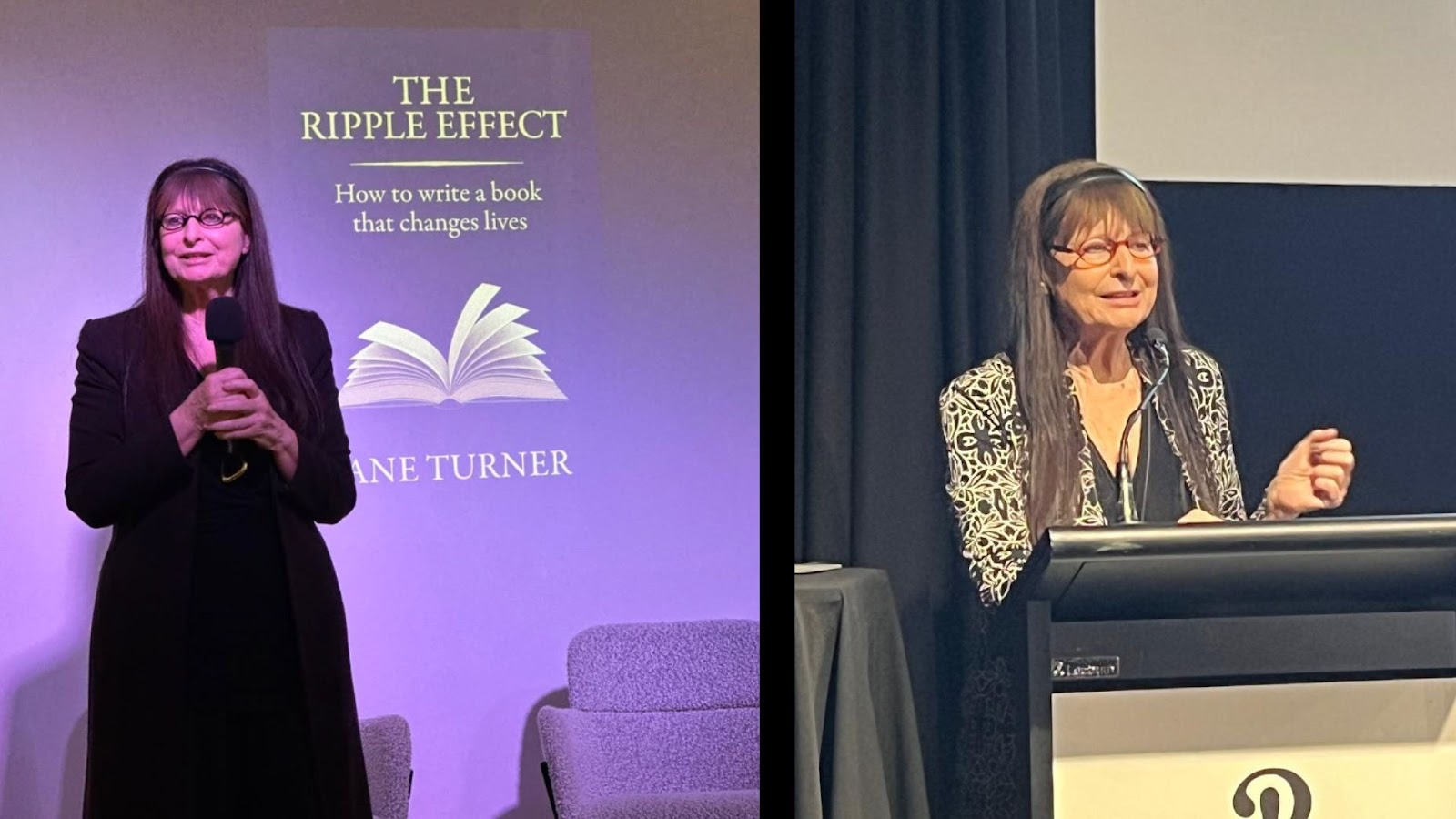
“Today, I run writing courses that help people step into the power of their own experiences - whether through trauma, grief, empowerment, or addiction. Participants have discovered new meaning and found ways to make a real difference in the world. I’ve just finished my fifth book, The Ripple Effect: How to Write a Book that Changes Lives.
Resilience through change and growth
When I think about resilience, I don’t see it as some heroic, conscious choice, it’s more like something that’s forced on you when there are no other options left. You don’t wake up one day and decide, “Today I’ll be brave.” You just find yourself in a situation where you either keep going or crumble. And somehow, you keep going.
That same theme of transformation showed up in my second book, Weight Loss in Midlife. I wrote openly about my forty-year struggle with binge eating disorder. Writing about it didn’t just share my story, it disarmed it. For the first time, I wasn’t hiding behind shame. Standing on that stage, knowing people had read those words, it felt like the power of that secret dissolved.
From that moment on, I wasn’t defined by it anymore. I still have an imperfect relationship with food - I think many women do, but it doesn’t define who I am. And that’s the gift of storytelling: it turns what once wounded you into something that heals others.
Yes, redundancy turned out to be a blessing in disguise. If I had stayed at the Powerhouse, I would’ve been more financially secure, but life nudged me toward something far more meaningful.
These days, I’m learning to slow down. A while ago, some heart issues forced me to stop working seven days a week. I’m not great at doing nothing, but I’ve learned to take proper downtime, to walk, to rest, to actually have weekends.
I’m still in touch with many of the people I was close to at the Powerhouse. Some I’ve drifted from, as you do, but the friendships that mattered have lasted. Those relationships have been a real gift - proof that you can move on without losing what’s most important.
If I could give one piece of advice, it’s this: trust yourself. Trust that you’ll figure it out, because you will. You’ll make mistakes, I sure did. I signed up for programs that cost a fortune and promised the world. I learned the hard way that business isn’t about fancy tools or websites - it’s about mindset, patience, and relationships. For me, resilience showed up most clearly in those messy, uncertain years after redundancy.
Looking back, I can see how each misstep was shaping me. Each wrong turn forced me to grow a bit more backbone, to trust myself a little more. And oddly enough, resilience became less about enduring and more about transforming, allowing myself to change and evolve instead of clinging to what used to be.
When you lose a job or step away from one, you lose that sense of comfort, and comfort can be deceptively cozy. Too much of it, and you stop growing. So yes, it’s hard. It hurts. But there’s so much possibility in that uncomfortable space. These days, there are endless opportunities: you can start as a sole trader, freelance, or turn what you know into something new. Who would’ve thought I could make a living helping people write books? I certainly didn’t.
Read: At 53 I turned my creative hobby into a thriving business
Find the courage to be vulnerable
I also had to get comfortable with putting myself out there. I may have held a senior management role, but I’ve always been an introvert. At staff meetings back in my Powerhouse days, if the director asked for volunteers to speak, I was the one pretending to drop a pencil under the table. Public speaking wasn’t my thing.
Success was also easier to measure - promotions, bigger teams, better budgets. Now, success looks very different. It’s still partly about money, but my definition of success today is really about freedom and fulfillment. If I can pay the bills, still have a bit left in the bank, and spend my time doing work that matters, that’s success.
If there’s one thing I want people to take from my story, it’s the power of storytelling itself - of owning your narrative, speaking it out loud, and discovering that the parts you thought were shameful or broken are actually where your strength lies.
And honestly, I think that’s what this whole journey has been about - learning that when we find the courage to tell our story, we don’t just change our own lives. We create a ripple effect that gives others permission to do the same.
Feature image: courtesy of Jane Turner
Articles we think you’ll love: