
Health
How to help your partner eat better (hint: don’t snatch that cake out of their hand)

Teamwork makes the dreamwork when it comes to eating healthier with your hunny.
By Paula Goodyer
So here’s the problem. You want to give your diet an upgrade - more plants, less meat and fewer chips - but your significant other is…less enthusiastic. Can you persuade them to change?
“Partners can have the power influence over how we eat. When you’re sharing meals or food shopping together, your choices start to sync up over time,” says Melbourne-based dietitian Joel Feren. “It’s why couples often find their eating patterns and portion sizes becoming more alike once they move in together. We don’t just share living quarters – we share dietary habits.
Expensive groceries thwarting your healthy eating? Keep costs down.
“Sometimes this can be positive, but not always. If your partner avoids meat, you might eat more plant-based meals, but if they eat chocolate after dinner, you might join in too.”
Who usually initiates the change?
“Traditionally, women have tended to take the lead in food and health decisions. They’re often the ones planning meals, doing the shopping, and nudging their partners to eat more healthily. But that dynamic is shifting,” he says. “More men are showing an interest in eating well and future-proofing their health, particularly as they hit midlife and start noticing how diet affects their wellbeing.
“The key is in how the message is framed. Men generally respond better to a practical, positive approach – ‘fuel your body’ lands far better than ‘you need to diet’. And when couples set small health goals together, they tend to achieve the best results. It becomes less about one person trying to change the other and more about teaming up for a shared goal.”
Strategies that can help your partner to eat better
The urge to improve a partner’s diet sometimes comes from concerns about their health.
“In our 50s and 60s, metabolism slows, muscle mass declines, and habits built up over decades start showing their effects - the numbers on the scales might creep up, along with blood pressure and cholesterol,” Joel Feren points out. “But it’s not about eating less - or more, in some instances – it’s about eating smarter.
This is the stage of life when we need to be more mindful of our nutrient intake. Simple swaps can make a real difference like choosing whole grains over refined grains, or supercharging breakfast with extra protein - hello, eggs and Greek yoghurt.
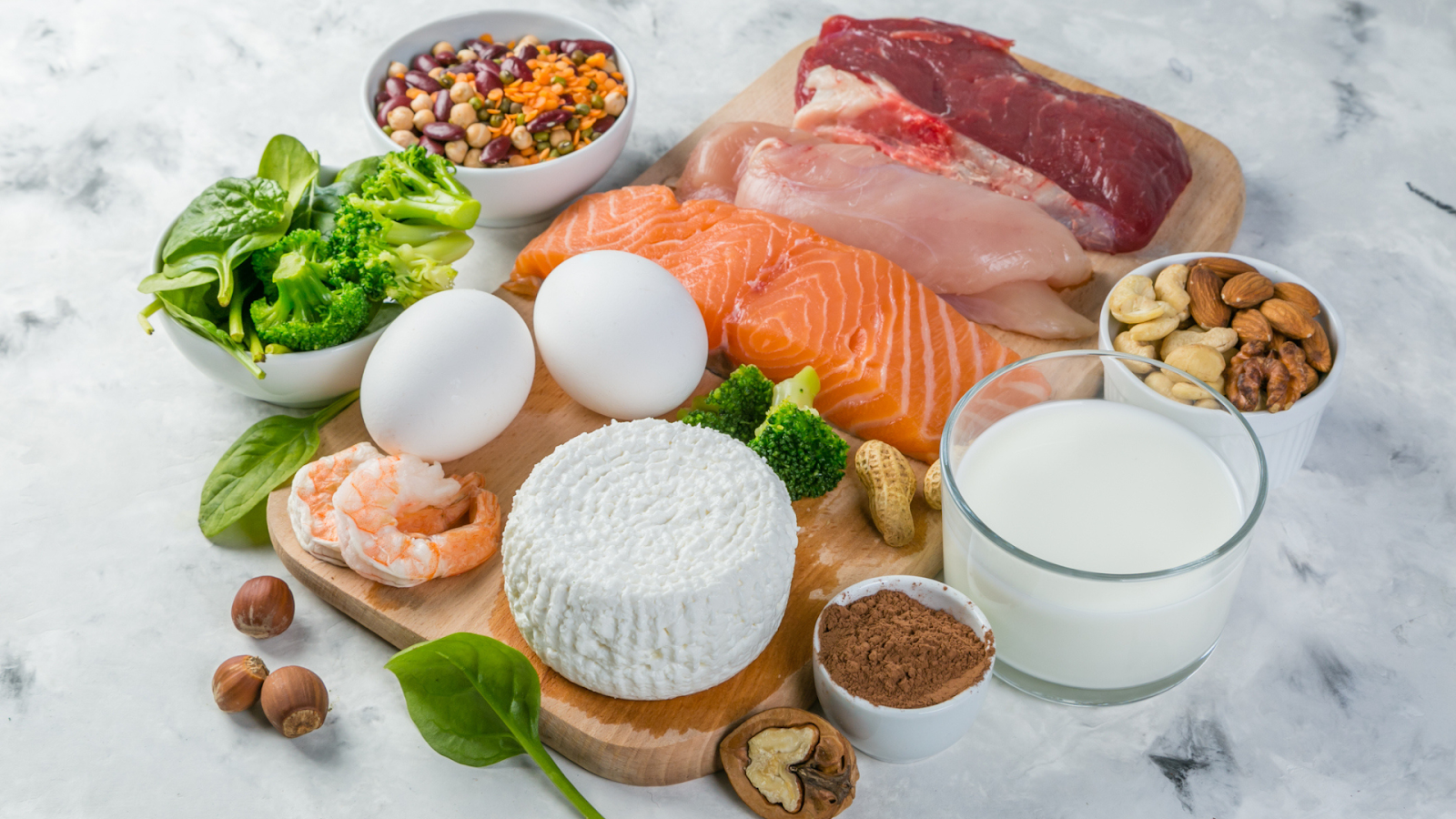
Trying to eat more protein? Start here.
“But gentle encouragement always trumps enforcement. No one responds well to being told what they shouldn’t eat – it only makes the change feel like punishment. Synergy happens when you lead by example and take the middle ground. Cooking meals that are both delicious and nutritious is important - you can’t have good nutrition without good taste.
Focus on what you can add, not what you should cut out:
- Mixing legumes into meat dishes - like a lentil and beef spaghetti Bolognese or spicy Mexican beef and rice with black beans - this helps reduce the meat portion and adds more fibre and other nutrients to the meal.
- Bring vegetables into a big weekend breakfast with shakshuka, a Mediterranean mix of eggs, tomatoes, capsicum and garlic.
- Add flavours to vegetables with spices, fresh herbs or a little crumbled fetta.
“If your partner’s hard to convince, find ways to make subtle, incremental changes,” adds Associate Professor Helen Vidgen, of the School of Exercise and Nutrition Science at Queensland University of Technology, who suggests swapping foods for healthier options within the same food group.
- Slowly change from white bread, to high fibre white, and then to wholegrain or wholemeal.
- Swap a morning tea treat from a creamy cake to a muffin or scone.
- Change a deep-fried takeaway to one that’s not deep fried, such as a healthier burger with a roll and salad, rather than fish and chips.
- Gradually decrease the portion size of higher kilojoule foods such as the size of a slice of cake.
- Add some physical activity to social occasions that might involve unhealthy food - go for a stroll with friends rather than meet for coffee and cake, or do both.
Find out what might motivate change
“People’s motivations to change what they eat are all different - they might want better health or foods with less impact on climate change, or foods that ensure fairer conditions for workers, or they might want to keep up family traditions,” Helen Vidgen says. “If you’re trying to nudge someone into changing, tap into these motivations and reframe the food to what your partner values - for instance, they might not be interested in health but they might love having the family over for a meat- free Monday meal each week.”
Finally, involving your partner in the cooking or shopping can help.
“People are more likely to eat what they’ve chosen or created themselves,” says Joel Feren. “And don’t underestimate the power of celebrating small wins. Change sticks best when it feels rewarding, not restrictive.”
Feature image: iStock/g-stockstudio
The information on this page is general information and should not be used to diagnose or treat a health problem or disease. Do not use the information found on this page as a substitute for professional health care advice. Any information you find on this page or on external sites which are linked to on this page should be verified with your professional health care provider.
Articles we think you’ll love: