
Health
Ruth began healing her anxiety the moment she started being honest
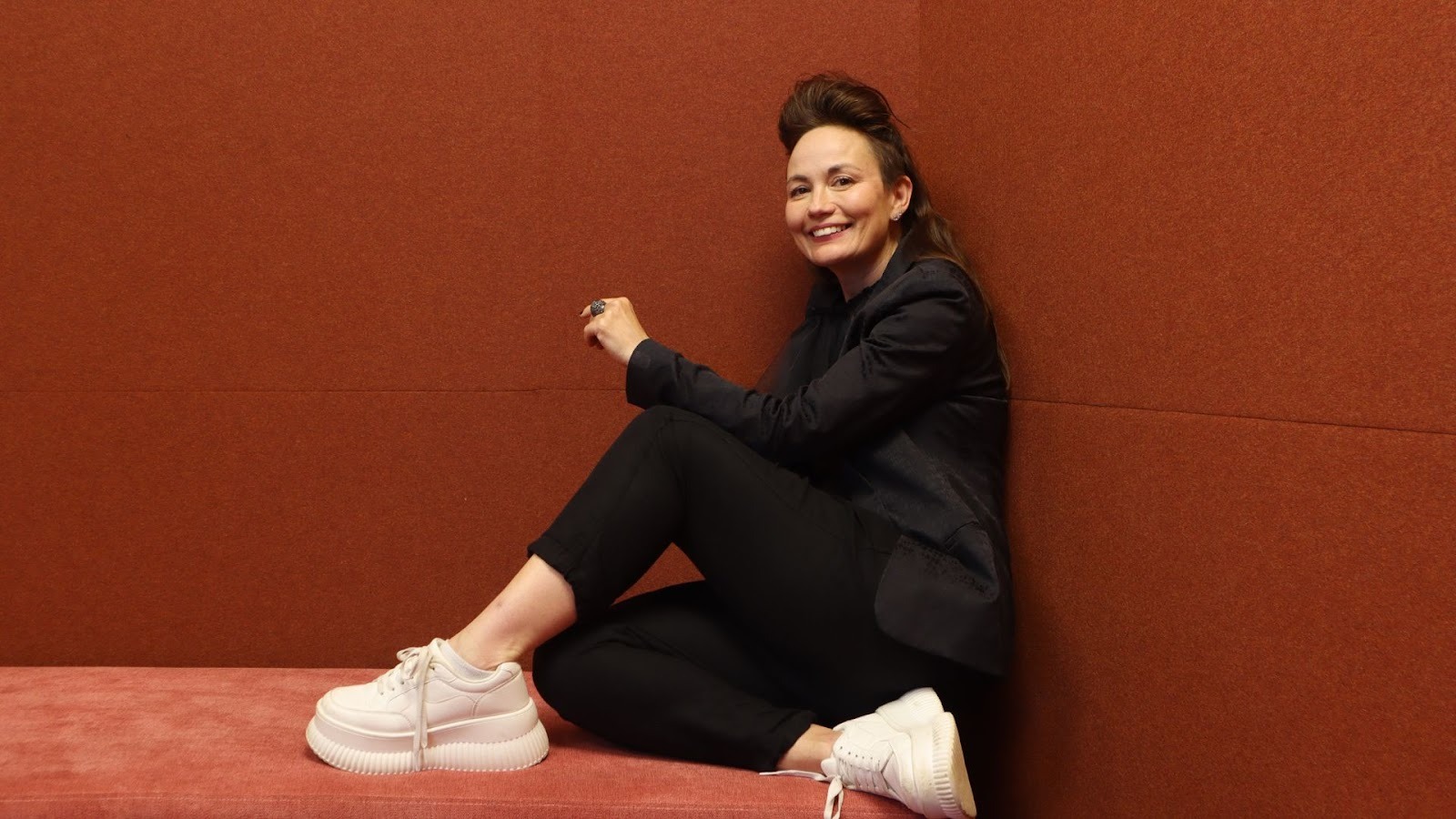
Ruth Clare, 50, began healing her mental health the moment she stopped pretending and started being honest with herself.
As told to Elli Jacobs
I grew up in a home where safety was never guaranteed. My childhood was marked by trauma, and for years I tried to outrun it, to leave the past behind and just get on with life.
I became a high achiever, the first in my family to finish high school and go to university. On the surface, it looked like success; underneath, it was survival. I wore achievement like armour, hiding behind a mask of accomplishment.
On the treadmill of perfectionism
Being driven and perfectionistic is a double-edged sword: it earns validation, admiration, even love, but for me, it was rooted in a deep sense of unworthiness. I believed that unless I proved my value, I didn’t have any.
To keep the illusion intact, I learned to shapeshift, to become whatever people wanted me to be. I now recognise that as a fawn response: hyper-attuned to others’ moods, desperate to keep the peace, and convinced my safety depended on it. I could read a room in seconds and instinctively adjust to make people like me. But I didn’t know how to be myself.
Inside, I was anxious, tense, and terrified of not being enough. Growing up, mistakes were punished, so I stayed ten steps ahead, convinced it was the only way to stay safe.
That same pattern followed me into adulthood. I felt compelled to fix, help, and rescue, always available for everyone else. But when I was the one in need, no one was there. My worth, I realised, had always been tied to what I could give, not to who I truly was.
My dad, a Vietnam veteran, came home deeply traumatised. Without any psychological support, his untreated PTSD made him volatile, angry, and controlling. I spent much of my childhood walking on eggshells, never feeling truly safe.
Want to prioritise your mental heath? Start here.
My mum, unable to stand up to him, withdrew into silence. When he eventually left, she turned to alcohol and sank into depression. By eleven, I was effectively raising myself, fending off chaos by perfecting the art of invisibility. Neither of them ever sought help; they saw it as a sign of weakness.
Reaching my breaking point
In my twenties, while trying to build an acting career, I followed my boyfriend to America to support his dream of becoming a photographer.
Almost as soon as I arrived, I knew I didn’t want to be there, but I ignored my intuition. In New York, his career flourished while I struggled, working as a waitress and feeling increasingly lost.
Then one day, I herniated a disc in my back, a moment that physically and emotionally broke me open. When, despite my condition, he left for a photo shoot, I realised how much I had been sacrificing without receiving anything in return.
That was the turning point - the beginning of my awareness of a lifelong pattern of over-giving. Once I recovered, I ended the relationship and began the long journey of reclaiming myself.
Learning to trust
Back in Australia, I tried to heal through self-help books and study. I wanted to stay in control, so I approached healing intellectually, studying holistic counselling, kinesiology, and eventually psychotherapy. A year into that course, my teacher suggested I begin therapy myself. I couldn’t afford both, so she referred me to a therapist from the program and that’s how my real healing began. Just as I was the first in my family to finish high school, I was the first to go into therapy.
I remember even telling a friend I was in therapy, and they looked at me with disgust. “Don’t you think it’s self-indulgent to sit there talking about yourself week after week?” I realised it’s self-indulgent to not care for your mental health, untreated issues spill out, often onto those we love.
Is fear holding you back? Here’s how to smash it.
Taking a big step forward through therapy
When I started therapy, I was extremely guarded and hypervigilant. I noticed every tiny change in the room and told her outright, “You probably can’t handle me, but let’s try.” She didn’t flinch and that steadiness was exactly what I needed.
She was creative and nurturing, using expressive methods like drawing emotions and sharing tea instead of keeping things clinical. Sometimes her dog would curl up on my lap, his calm presence grounding me in a way words couldn’t. Those small gestures made therapy feel human, gentle, and safe.
I saw her every week for seven years, and that relationship transformed me. For the first time, I experienced what it meant to be met with consistency, safety, and no judgment. Even when I couldn’t speak about my chaotic childhood, therapy offered me something I’d never had, permission to exist without shame, a space where I could finally take up space.
It wasn’t easy. Some sessions left me shattered, as if all the walls that once kept me safe were dissolving. I often wanted to run away, but the pain was inside me, there was nowhere to go. In time, I learned that the only way out was through.
Gradually, I began to understand that healing isn’t about becoming perfect; it’s about becoming real. Living with ADHD and complex PTSD doesn’t make me broken, it makes me human. The goal isn’t to override these parts of myself, but to work with them, to recognise when my nervous system is activated and to know how to bring it back to calm.
Healing by writing my experiences
Then I began writing, and it quickly became a powerful form of healing. I wrote a memoir, Enemy, exploring the generational impact of PTSD as the child of a veteran. My father died at 54 from melanoma linked to Agent Orange exposure. I was 24 and still angry, and with my siblings unwilling to confront our childhood honestly, the book became my way of having that conversation with the world, if not with them.
For the memoir, I interviewed other veterans about how their trauma affected their families. Many admitted to being abusive, and later research confirmed this pattern: a recent study found a 48 percent domestic violence rate in veteran households. Understanding this helped me separate my father from the damage he carried and depersonalise my experience.
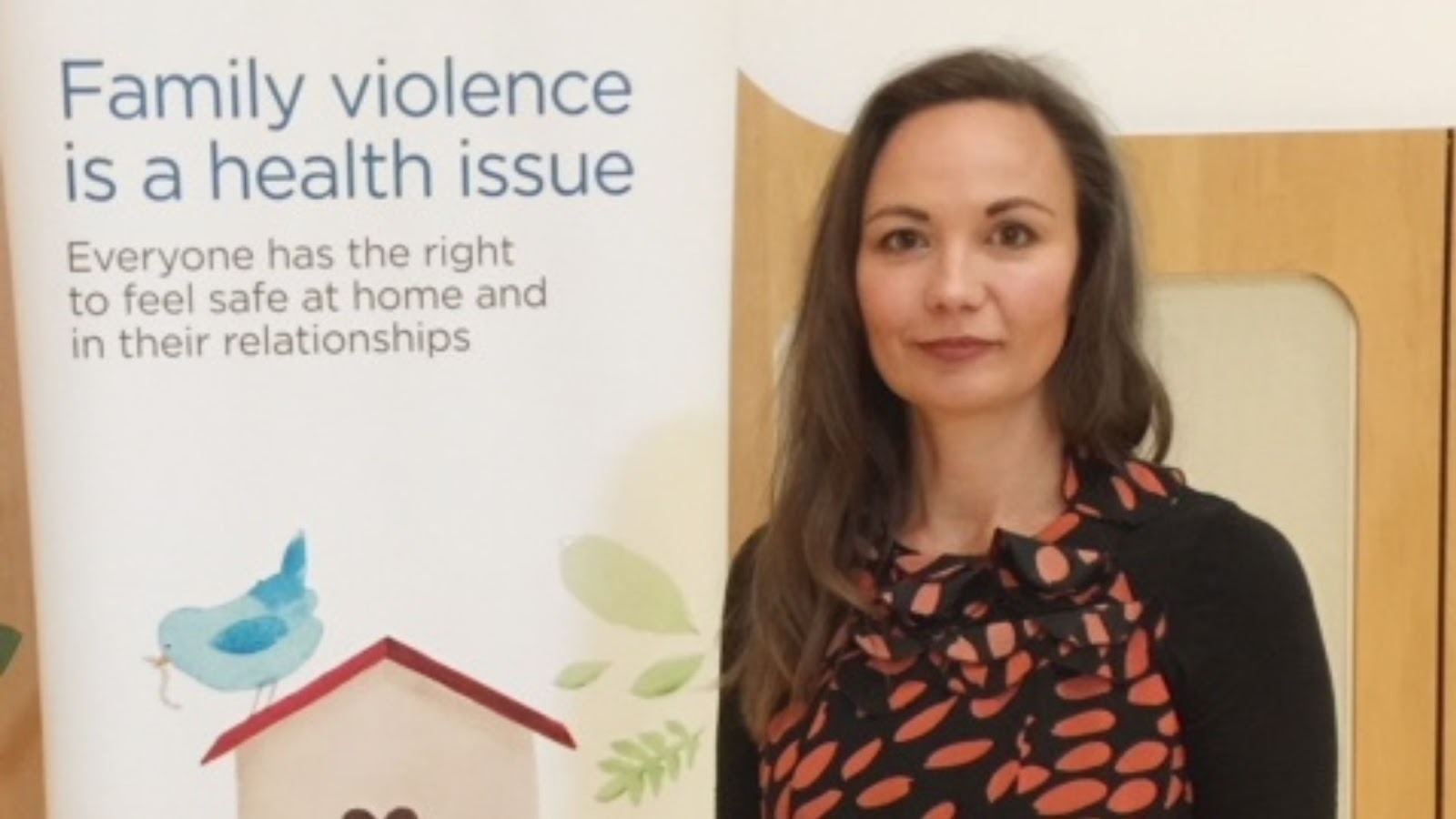
Since then, my writing has focused on the healing processes that helped me. I now consult for mental health organisations and serve on lived-experience committees, transforming what once broke me into a way to help others heal.
The self-care practices that support me
One of the most practical tools I use to regulate my nervous system is the “square breath” in for four, hold for four, out for four, hold for four.
It’s astonishing how quickly it grounds me. Sometimes it’s as simple as naming what I can see, hear, or touch - returning to my senses. My body is always the first responder, not my mind. When I regulate my body, my emotions follow.
If I’m overwhelmed or in a shame spiral, I’ve learned to reach out to a safe person. Not everyone qualifies - my friend who called therapy “self-indulgent” is not on that list, but the few people who can hold space without judgment are invaluable. Saying out loud what I once thought was unspeakable often results in someone replying, “Oh, I’ve been there.” That moment of shared humanity is like a pressure valve releasing shame.
For much of my life, I was told I was “too sensitive.” Now I know that sensitivity is simply high attunement - a nervous system that has learned to scan for danger. But it’s exhausting to live constantly on alert. Healing, for me, has meant learning to come home to my own body, to stop living in hypervigilance and to recognise that safety can be built from within.
Internal safety is the key to growth
When I talk about psychological safety today, I want people to know it’s not just a corporate buzzword; it’s the foundation of being human. Without a sense of internal safety, it’s almost impossible to grow, learn, love, or connect. Safety is what allows risk. And risk is what allows life to expand.
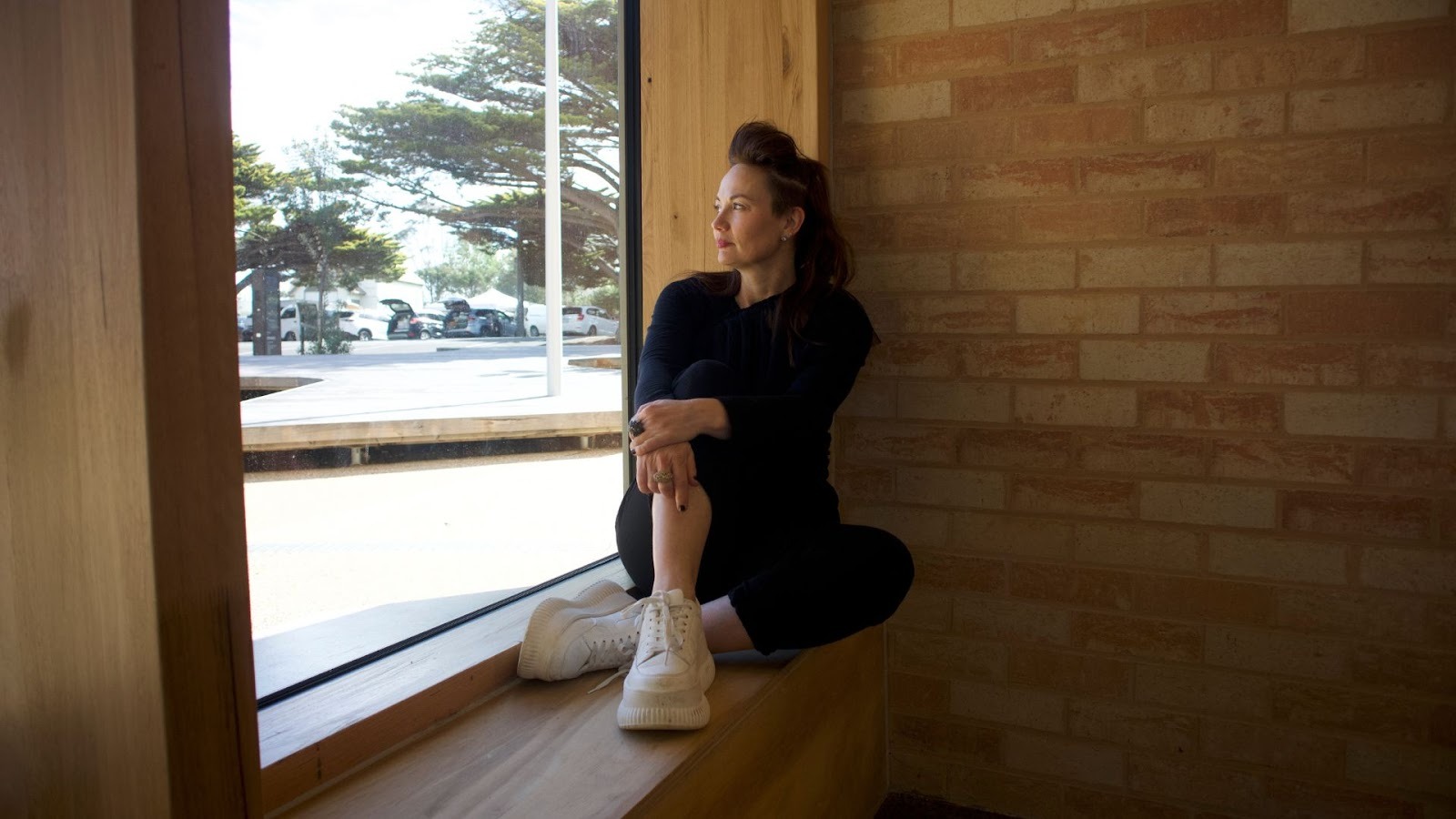
There wasn’t one single moment when I realised I was safe. It was a gradual shift, a loosening. I noticed my mind wasn’t racing as much. My body felt quieter. I could sit still without scanning for what might go wrong. I began to see that my thoughts weren’t always reality, they were just thoughts.
Now, being honest with myself means allowing all my parts - the calm ones and the chaotic ones, to exist without shame. It means remembering that not everyone has to like me. I can choose whose opinions matter. And I can pause before reacting, take a breath, and decide how to respond.
I wrote Beyond Fight, Flight, Freeze, Fawn because I wanted to demystify the science behind this. Understanding the biology of emotion, that every feeling involves a physiological change, transformed everything for me. There is no emotion without your nervous system. It’s automatic, but it’s not beyond influence. You can interrupt it, soothe it, reshape it.
My hope is that by talking openly about trauma, therapy, and mental health, we chip away at the stigma that keeps people silent. Struggling doesn’t mean you’re broken; it means you’re human. And healing isn’t about becoming invincible, it’s about finally feeling safe enough to be yourself.
Feature image: Courtesy of Ruth Clare
The information on this page is general information and should not be used to diagnose or treat a health problem or disease. Do not use the information found on this page as a substitute for professional health care advice. Any information you find on this page or on external sites which are linked to on this page should be verified with your professional health care provider.
Articles we think you’ll love: