
Health
Socialising is vital for your health as you age. But what if you're an introvert?

Research shows social isolation and loneliness are detrimental to our wellbeing, but not all of us are social butterflies. Here’s how much social interaction you actually need.
By Sabrina Rogers
Social isolation and loneliness are major public health challenges that must be addressed now, according to a landmark 2025 report by the World Health Organization’s (WHO) Commission on Social Connection.
In 2023, 15% of Australians experienced social isolation and 15% experienced loneliness. While the rates of both have declined in people aged 65 and over since the early 2000s (with 11% being socially isolated and 16% being lonely in 2023), they still pose a serious concern.
Want to nurture your social connections? Start here.
But what’s the difference between these two concepts? Social isolation is an objective measure of having few social relationships or infrequent social contact, whereas loneliness is a subjective feeling of sadness or distress caused by a lack of connection with others. Both are forms of social disconnection that can have serious impacts on our physical and mental health.
WHO’s analysis of the existing research shows that they’re linked to anxiety, depression, heart disease, stroke, early death and more. The U.S. Surgeon General even declared that social disconnection has the same mortality impact as smoking 15 cigarettes a day. Yikes.
For introverts and loners, those statistics can be unsettling or downright terrifying. But it’s crucial that we dig deeper into what social connection truly entails and how different it can look from one person to another.
Marie found her socialising sweet spot
Marie tried desperately to get along with the other residents in her aged care home, but their social and educational differences created an unbridgeable chasm between them.
“We had absolutely nothing in common,” she explains. “I tried to find some points of connection, but there weren't any and my interactions with them were unfulfilling.
“Before I lived in an aged care home, I was a very independent person who didn’t rely much on others. So, I decided to stop trying to make these new connections work because I felt pressure from others to be sociable.
“I’ve been much happier since I stopped trying. I have a few close family members and friends I regularly speak to on the phone and sometimes see in person, and that’s enough for me. I’m not lonely and miserable - I enjoy my own company and keep busy with books, TV shows, brain puzzles and more.”
The 4 main types of social support
“Research into the topic of social support has been a bit messy because different researchers have different ways of defining social support,” says Dr Jessamine Chen, Senior Clinical Psychologist and Research Fellow at Macquarie University's Lifespan Health & Wellbeing Research Centre.
“And the type of support and where it’s coming from also can make a difference to the way we think about its benefits.”
According to leading health experts from seven countries, there are four main types of social support: emotional, informational, esteem and tangible.
1. Emotional support
“When you’re going through a stressful period and someone says to you, ‘That sounds really hard’ or ‘I’d feel the same in your situation’, they’re providing emotional support," says Dr Chen. “When someone listens, validates and empathises with the difficulties you're going through, it can be incredibly helpful.”
2. Informational support
Informational support is the advice, guidance and knowledge we get from others to help us understand a situation or make decisions. It can include sharing facts, offering recommendations or helping someone evaluate their options.
3. Tangible support
“If you’re having health problems and a friend or neighbour brings you meals so you don’t have to shop and cook or they give you lifts to your medical appointments, those are really important sources of practical support,” explains Dr Chen.
4. Esteem support
This refers to messages and interactions that boost a person’s sense of competence, worth and value even when things aren’t going smoothly. It’s the type of support that goes beyond “I’m here for you” (emotional) or “Here’s how to fix it” (informational) and conveys something like, “You’ve got what it takes to get through this,” or “You handled that tough situation with grace.”
But no matter how much and what types of support a person actually gets (known as received support), only their subjective view of how much support they’re likely to receive or have received in times of need (known as perceived support) is consistently linked with better mental health.
That important distinction may explain why Marie - and many others like her - feel that socialising isn’t the cure-all it’s made out to be.
How much socialising you really need to stay healthy
Dr Chen says there are three key factors to consider when it comes to determining how much social interaction you should have.
1. Respect your individual needs
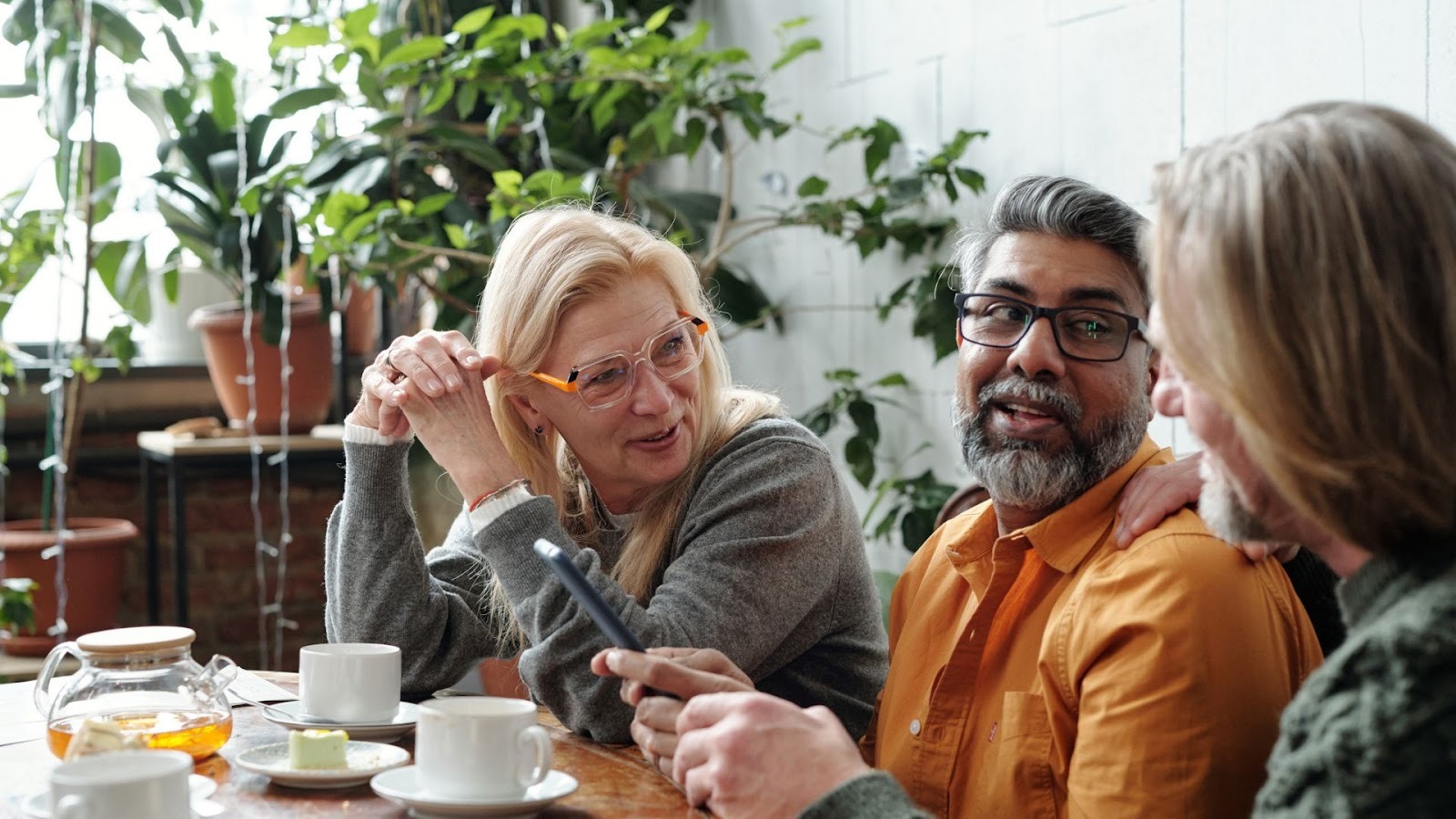
“There's some really good research showing that we should look at the need to socialise on a continuum rather than ‘I need it’ or ‘I don’t’,” says Dr Chen. “Some people are naturally more social and may need to interact socially several times a week while others may be happy with once a month.”
Our social connection needs may vary over the course of our lifetimes, too. “When we're going through difficult periods, we might need more support and more different types of support,” she explains.
“Other times, the need for social connection is similar to hunger. You might not feel hungry, but if you haven’t had a meal in a while, you know you need to eat and hunger will come. It’s the same with socialising - you might not feel like it, but it’s a good idea to plan it and you’ll feel happy you did it.”
2. Prioritise quality over quantity
A Swedish study of older adults found that while both the quantity and quality of their social connections played a role in their levels of loneliness, relationship quality was more important and perceived social support was associated with less loneliness.
3. Variety is the spice of life
“There’s research showing that when older people have several different types of social connection activities - such as caring for grandchildren, volunteering and participating in a hobby group - their outcomes are better,” says Dr Chen.
“Having shared interests with different groups can meet several needs at once, such as an exercise group that has physical health benefits or a hobby group that provides cognitive stimulation on top of socialising. Diversifying social groups also prevents the person from being left without any support if their main source of social connection changes, such as a friend moving away or dying.”
Connecting on your terms
While social connection is a crucial component of our mental and physical health, it can look very different from one person to the next. Respecting your own needs and boundaries may be just as important as ticking socialising off your to-do list.
Feature image: iStock/miljko
The information on this page is general information and should not be used to diagnose or treat a health problem or disease. Do not use the information found on this page as a substitute for professional health care advice. Any information you find on this page or on external sites which are linked to on this page should be verified with your professional health care provider.
Tell us in the comments: What’s one way you stay connected that works for you?
Articles we think you’ll love: