
Health
Staying active matters now more than ever (and how to do it safely)
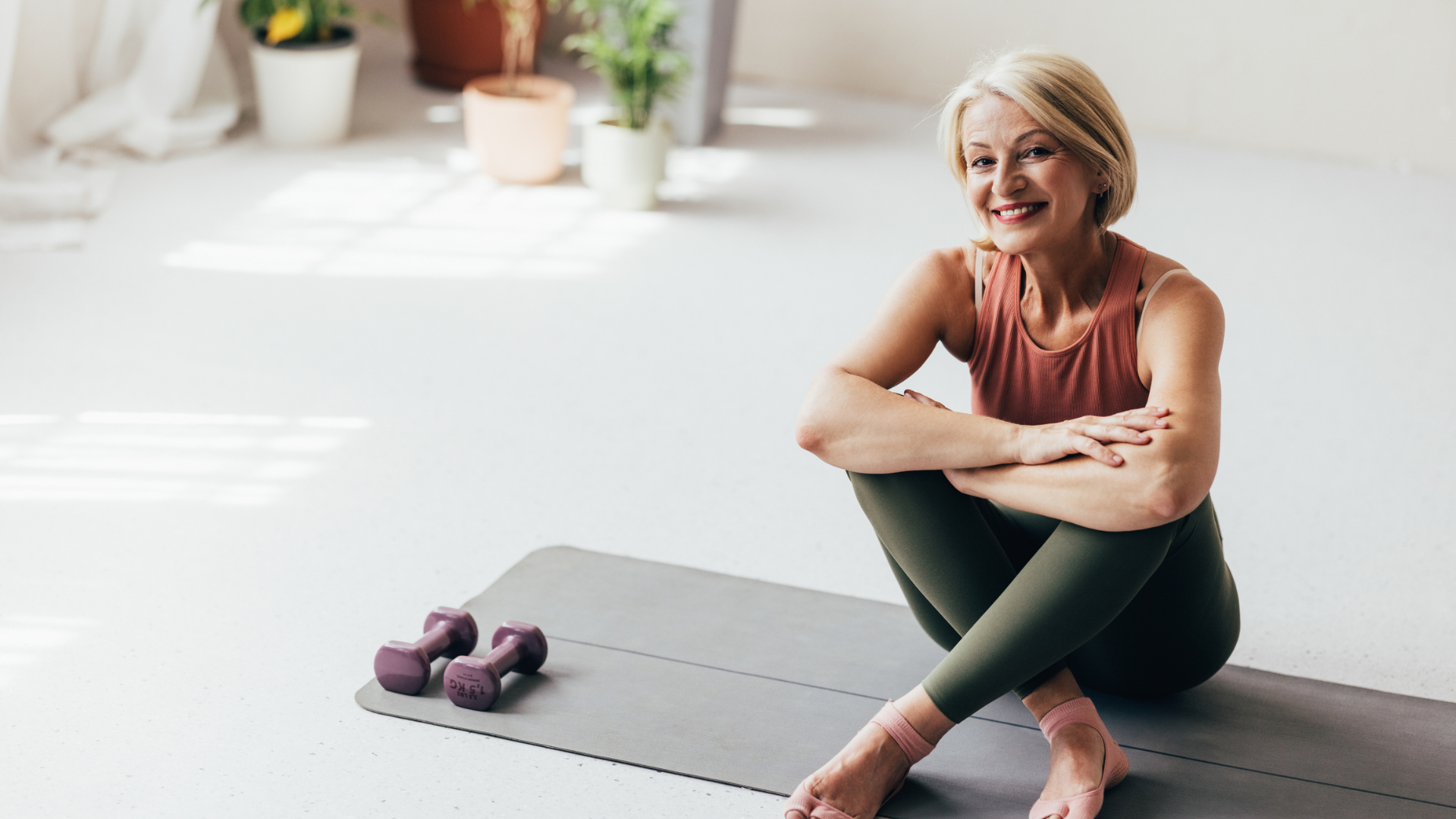
From gentle strength training to the power of rest, here is how older adults can stay active, avoid injury, and make fitness an enjoyable part of everyday life.
By Graham Elliss
As we age, staying physically active becomes increasingly important. It helps maintain mobility, reduces the risk of chronic illnesses, and supports mental clarity and emotional well-being.
Ageing naturally leads to a decline in muscle mass, flexibility, and bone density, but regular exercise can dramatically slow these changes. It also plays a vital role in preserving cognitive function and maintaining independence and quality of life.
Here’s your guide to the key pillars of fitness for over 50s, designed to keep you moving, strong, and thriving.
1. Strength training to preserve muscle and bone health
After the age of 50, strength training becomes essential. It helps combat the natural loss of muscle mass (known as sarcopenia), making everyday tasks like lifting groceries or climbing stairs much easier.
But don’t worry—strength training doesn’t mean lifting heavy weights at the gym.
It can include:
- Bodyweight exercises (e.g. squats, lunges, wall push-ups)
- Resistance bands
- Light dumbbells
Aim for strength training 2–3 times per week to support:
- Muscle mass and tone
- Bone density (helping to prevent osteoporosis)
- Metabolism and weight management
- Functional strength for daily living
2. Flexibility and balance to prevent falls
Falls are a leading cause of injury in older adults. To reduce this risk, it’s important to work on flexibility and balance.
Activities like yoga, Pilates, or Tai Chi are particularly effective. They improve:
- Joint mobility
- Posture
- Coordination
- Overall stability
Simple ways to practise balance daily:
- Stand on one leg while brushing your teeth
- Try heel-to-toe walking in a hallway
- Use a balance board or cushion at home
Regular balance work helps you stay agile, confident, and injury-free.
3. Aerobic exercise for heart and lung health
Cardiovascular fitness becomes more important with age, especially as heart disease and high blood pressure become more common. Low-impact aerobic exercise supports circulation, lung function, and energy levels.
Recommended activities include:
- Walking
- Swimming
- Stationary or outdoor cycling
- Water aerobics
Guideline:
Aim for at least 150 minutes of moderate aerobic activity per week—roughly 30 minutes a day, 5 days a week.
Walking is a particularly accessible option and a fantastic place to start if you’re easing back into fitness.
Listen to your body and train smarter
Age should never be a barrier to staying fit and healthy. In fact, with the right approach, fitness in later life can be enjoyable, sustainable, and deeply rewarding.
But as we age, our bodies change. Listening to these changes is just as important as movement itself. To make the most of your fitness journey, it’s essential to prioritise not only exercise but also rest, recovery, social engagement, and body awareness.
1. Make time for rest and recovery
As we age, recovery becomes even more important. Overworking your muscles without proper rest can lead to injury, burnout, or fatigue.
Here’s why rest is essential:
- Allows muscles to heal and grow
- Reduces the risk of joint and tendon strain
- Helps maintain long-term motivation
- Supports better sleep and mental clarity
Sleep matters too—aim for 7–9 hours of quality sleep each night. It supports everything from physical recovery to cognitive health.
If you’re feeling sore or unusually tired, don’t push through. Swap your workout for gentle stretching, meditation, or a relaxing walk.
2. Stay social and make fitness enjoyable
Fitness shouldn’t be a lonely chore. Exercising with others can be the key to staying consistent and making your routine something you look forward to.
Benefits of social fitness for older adults:
- Boosts motivation and commitment
- Reduces loneliness and isolation
- Improves mental health and emotional wellbeing
- Makes fitness more fun and interactive
Join a local walking group or a fitness class designed for older adults. Invite a friend to stretch or walk with you—it’s one of the easiest ways to stay accountable and engaged.
3. Tune in and adjust as needed
As we age, it’s normal for our bodies to respond differently to exercise than they did in earlier years. One of the most important lessons in fitness for older adults is learning to listen to your body.
If an exercise feels uncomfortable or painful:
- Don’t push through pain; modify the movement
- Use support tools like chairs, bands, or walls
- Check in with your trainer or GP if unsure
Being adaptable keeps you safe and injury-free while still progressing. There’s no one-size-fits-all approach—what matters is moving consistently and safely, not intensity.
Progress over perfection
Your fitness routine should evolve as you do. Progress may be slower than it once was, but that doesn’t make it any less powerful.
Celebrate the wins:
- Feeling more energised
- Getting better sleep
- Maintaining independence
- Reducing stiffness or pain
Focus on sustainable movement and give yourself permission to rest. You’re building lifelong health, not chasing short-term results.
Feature image: iStock/FreshSplash
The information on this page is general information and should not be used to diagnose or treat a health problem or disease. Do not use the information found on this page as a substitute for professional health care advice. Any information you find on this page or on external sites which are linked to on this page should be verified with your professional health care provider.
Read these next: