
Health
Suzana thought she was losing her mind – it was perimenopause
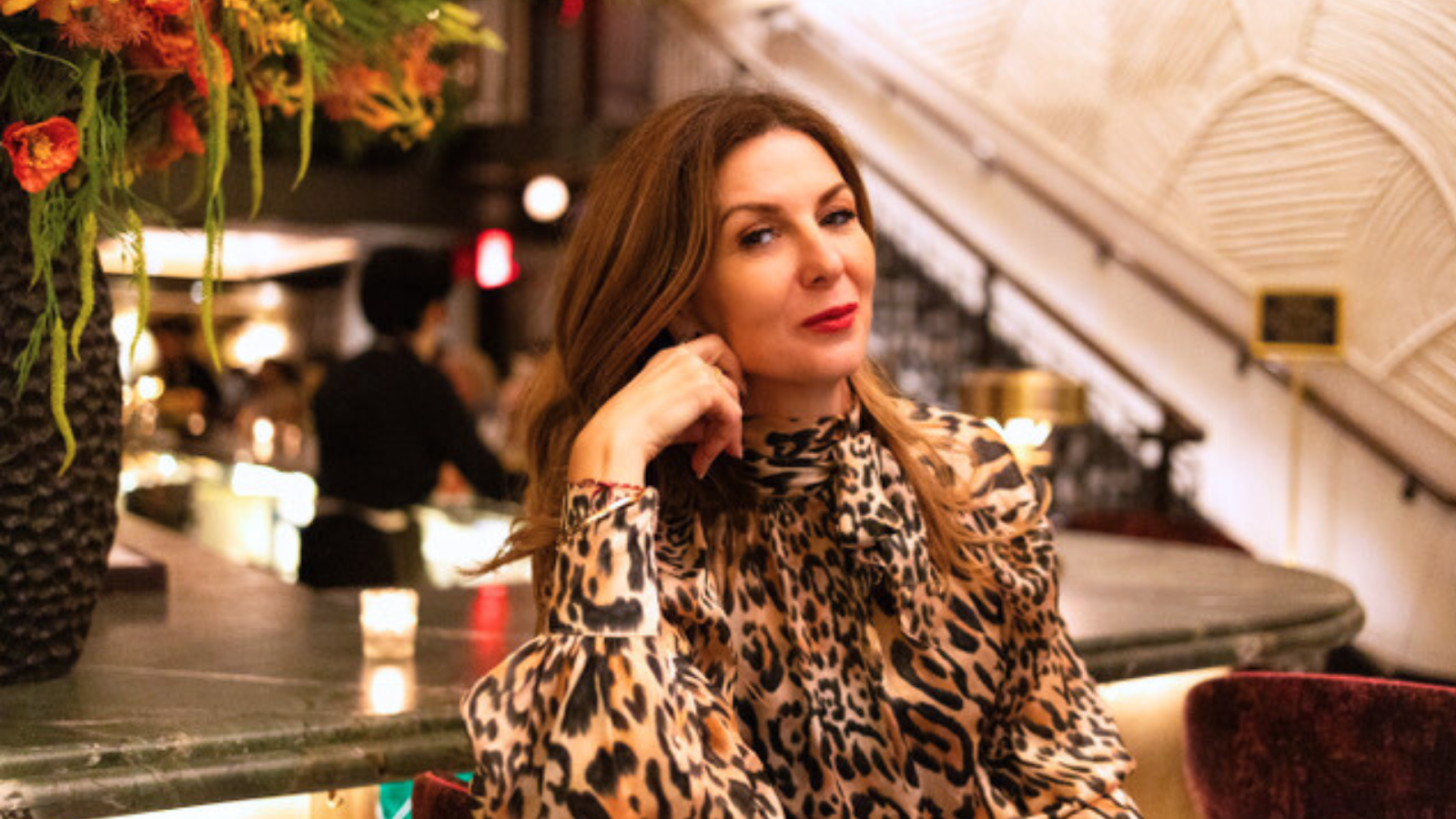
Suzana Mihajlovic, 52, experienced peri-menopause symptoms that changed her life.
As told to Elli Jacobs
The perimenopause journey has been one of the most difficult and disorienting experiences of my life.
A tidal wave of symptoms, as if my body had suddenly opened every chapter of the menopause handbook – some subtle, others completely life-altering.
It all began with mood swings. One moment, I felt like myself; the next, I was spiralling. And just as I managed to steady one emotion, another would crash over me – uninvited, unrelenting.
There was a phase when I felt angry all the time, and I’m not an angry person. Then came the emotional whiplash: one day I was elated, the next, miserable, abrupt, and short-tempered. I’m not someone who’s naturally rude, but I started snapping at people without meaning to.
Tears came easily and often. Just when I thought I’d adjusted, the relentless night sweats arrived.
After the mood swing stage, there was a period of about eighteen months where I experienced violent migraines that ended in vomiting. I never experienced migraines before and rarely even had headaches. This was all new to me. A couple of times the migraines were so severe, I ended up in Emergency.
I lost my spark and my relationship
The worst part? I just wasn’t interested in life anymore. I’d lost my spark. Last year, my long-term relationship of eight years fell apart. My partner said, “We’re just friends living under the same roof.” And, truthfully, he wasn’t wrong. I had become emotionally disengaged from everything. It felt like I was trapped in a thick, heavy fog of depression. Every task became a mountain. Everything felt like work.
Love, sex and perimenopause – here’s how to find your rhythm again
The breakup broke something open in me. I wasn’t just grieving the end of a relationship; I was facing the painful truth that I would never have children. That the family I once imagined, even longed for, wasn’t going to happen. We tried. It was salt in an already open wound, compounding a deep loneliness that had been quietly settling in for some time. I felt like a failure.
My life’s path unexpectedly changed
Coming from a Serbian background, the expectations are strong: get married, have children, follow a certain path. And suddenly, I found myself wondering, What will people say? I never thought I’d care what others thought, but when everything fell apart, those old fears rose to the surface. And the truth is, it still feels raw.
At the same time, my father was diagnosed with dementia. My mother was ageing. I’m very close to them both and watching them grow older while I was unravelling myself felt utterly overwhelming. I found myself staring down the barrel of a life completely alone.
Getting support was difficult
It was these emotional shifts that finally prompted me to check in with my GP. I suspected perimenopause – something I’d vaguely heard about from older colleagues during my years in the corporate world.
So, I went. Not once, but three separate times. And each time, he told me the blood tests showed I wasn’t in perimenopause. I consequently began to question my own sanity. Emotionally, it was chaos. I swung from tears to numbness. Even my closest friendships began to slip away. I didn’t want to connect with anyone. At one point, I genuinely feared I had bipolar disorder and sought counselling. I was so angry, I didn’t know who I was anymore. I couldn’t recognise myself at all.
Finally, an answer and GP support
Thankfully, I found a brilliant counsellor who immediately recognised the hormonal pattern and ruled out bipolar disorder. She said, “What you’re experiencing sounds very much like perimenopause.” She then referred me to a GP who specialised in menopause.
That specialist took one look at my symptoms and said, “Yes, you absolutely are in perimenopause.” A targeted blood test in October 2021 finally confirmed it: low progesterone, high estrogen – I was deep in perimenopause
She started me on progesterone, which helped for a while, but eventually the mood swings returned, so I stopped taking it. That’s when she suggested antidepressants. She explained that when hormones like oestrogen decline, serotonin levels in the brain drop too, which can significantly affect your mood.
MHT: what you need to know before, during and after menopause
I really, really didn’t want to take them. But I needed something. Over the past year, my productivity had taken a serious hit and with that, my finances. The exhaustion and lack of clarity were starting to cost me.
I was so tired all the time. I could barely stay awake during client sessions, and I’d nap between appointments, something completely out of character for me, because I love my work. That went on for nearly a year.
She urged me to give the medication a try. “Most people don’t want to take them,” she said. “But you’ll notice a difference.” So, I did and she was right: there was a difference.
But, after a while once again the initial benefits to that also wane off.
Alternative therapy was a game-changer
That’s when my personal trainer Emma Ferris recommended a Chinese medicine practitioner, Dr Nicci Morpeth. That was a game-changer.
Acupuncture, combined with Wild Yam and herbal remedies, has significantly improved my brain fog and concentration. For the hot flushes, the only thing that worked has been Arbonne’s Green Gut. I don’t have hot flushes anymore; I took it consistently for two years and they haven’t come back.
5 things Dr Ginni Mansberg wants you to know about brain fog
Now, I’m technically in the menopause transition phase, though I won’t be considered fully menopausal until I’ve gone 12 consecutive months without a period, which will be sometime this month. The hot flushes, mood swings, and insomnia are better managed these days. But now I’m dealing with something new: rapid weight gain. Despite eating the same and sticking to regular exercise, I’ve gained over 10kg in what feels like the blink of an eye. It’s unfamiliar, confronting – even disorienting. It feels like I’ve suddenly strapped on a spare tire I never signed up for.
Making peace
Perimenopause cracked me open. It tested every part of me - emotionally, physically, professionally. There was a time when I retreated into a bubble. I didn’t tell anyone that my long-term relationship had ended, except for a couple of close friends and family. I just allowed myself to feel it all: the darkness, the grief, the shame, the rawness. And you know what? That emotional freefall was therapeutic. Because as much as we want to avoid pain, it’s often what breaks us open to something deeper.
For a long while, I also felt deeply unattractive. I saw changes in my body – cellulite, weight gain, that lack of spark – and I assumed no one would find me appealing. But now, I say with peace: it doesn’t matter. I’ve learned to be comfortable on my own. That’s something I had to relearn. I’ve never been one to jump into relationships easily, so this solitude, earned through loss has become sacred.
In my work as a performance coach, women in their 40s come to me confused, overwhelmed, unsure. Sometimes all I ask is, “Have you had your hormones checked?” And suddenly, things begin to make sense for them. We live in a society that rushes healing. But real healing takes time, patience and stillness. That’s how we access the inner wisdom already inside us.
Life changes and personal growth
This transition has taught me that life changes. We change. And that’s not a flaw, it’s the truth. Our bodies, our hormones, our relationships, they’re always evolving. We lose people, pets, businesses, versions of ourselves. We grieve again and again. But I’ve learned to move through discomfort rather than resist it. I lost a partner. I lost a co-owned business. But I didn’t lose myself. In fact, I gained something far more lasting: the understanding that we are not meant to remain the same person throughout life. That’s not how we grow; that’s not how we become.
To every woman who’s wondering if what she’s going through is real, I say this: trust yourself. You already know. And you are wiser than you’ve ever been.
Feature image: Jacqueline Menconi
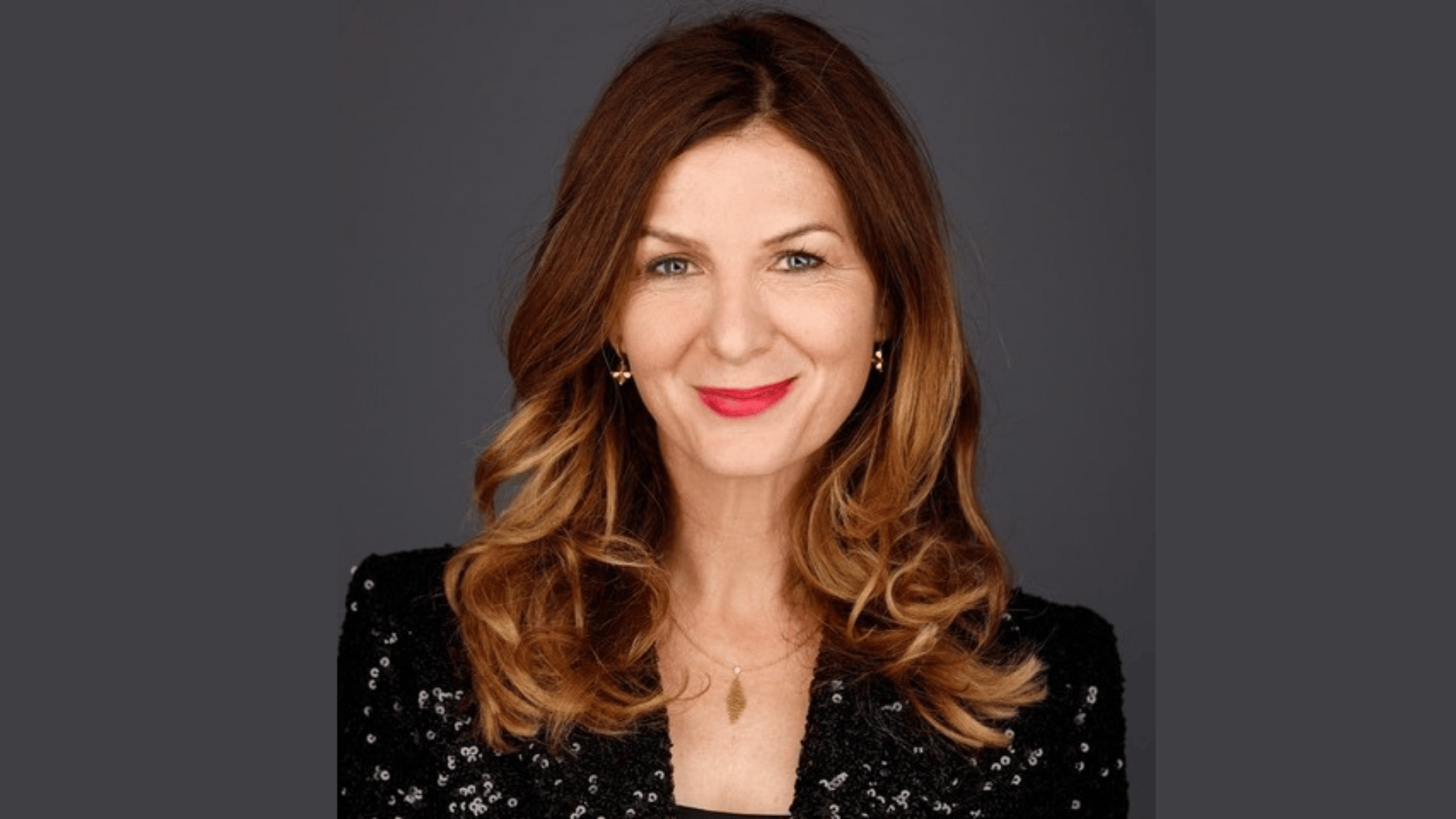
Image credits: Headshot by Tommy Collier and make up by Anabelle La Guardia
The information on this page is general information and should not be used to diagnose or treat a health problem or disease. Do not use the information found on this page as a substitute for professional health care advice. Any information you find on this page or on external sites which are linked to on this page should be verified with your professional health care provider.
Tell us in the comments: What’s your experience of perimenopause?
More help during perimenopause: